
Influencers in 2026 hold dedicated audiences on platforms like TikTok, Instagram, and YouTube. They shape opinions and drive purchasing decisions through authentic content. The influencer marketing industry continues rapid expansion, with U.S. spending projected to grow 15.7% this year.
Table of Contents
- Influencer Defined
- What Makes Someone an Influencer?
- Types of Influencers
- Popular Influencer Niches in 2026
- How to Find Influencers
- What Does an Influencer Do?
- Celebrities vs. Influencers
- Why Brands Partner with Influencers
- How to Partner with Influencers
- Working with an Influencer Marketing Agency
- Frequently Asked Questions
Brands increasingly rely on influencer marketing for genuine connections that traditional ads struggle to achieve. Virtual influencers created with AI now complement human creators in many campaigns. Engagement rates and audience trust define true influence more than raw follower numbers.
Performance-based partnerships dominate as brands prioritize measurable returns. Long-term collaborations replace one-off posts for deeper impact. Social commerce integration allows direct sales from influencer content.
Micro-influencers often deliver the highest ROI due to their niche authority. Influencers master short-form video formats that dominate feeds. They leverage trending audio, effects, and challenges to boost visibility. Data analytics tools help them refine content strategies in real time. Transparency in sponsored posts builds lasting audience loyalty.
Influencers navigate evolving platform algorithms with adaptive approaches. They foster community through interactive features like polls and live sessions. Cross-platform presence amplifies their reach across demographics. Storytelling remains central to effective influence. Brands seek creators who align perfectly with their values and targets.
The rise of AI tools enhances content production without sacrificing authenticity. Influencers balance polished production with relatable vulnerability.
Influencer Defined
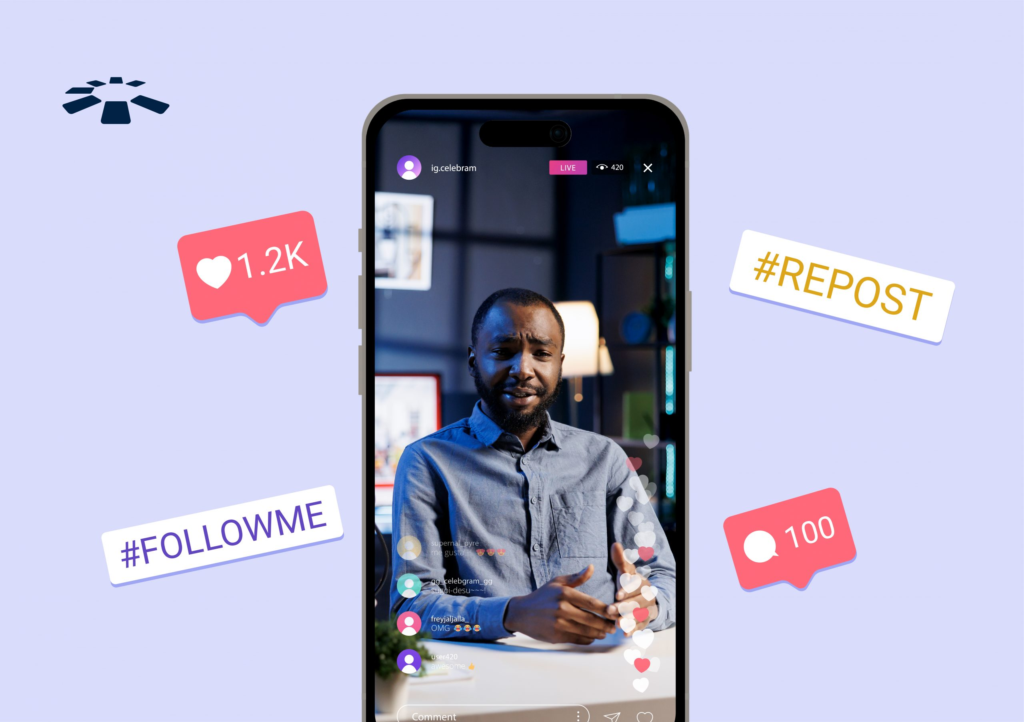
An influencer commands an engaged online audience and sways their decisions through recommendations. This influence extends to purchases, opinions, and behaviors across social platforms. Modern definitions emphasize authenticity over mere reach. Influencers create content that resonates deeply with specific communities.
They build trust through consistent, relatable sharing. The term now includes virtual creators powered by AI technology. These digital personalities perform similar roles without human limitations. Influence stems from perceived expertise in a niche area.
Followers view influencers as credible sources for advice. Sponsored content integrates seamlessly into organic feeds. Disclosure regulations ensure transparency in partnerships. Engagement metrics reveal true influence levels. Comments, shares, and saves indicate active audience involvement. Influencers adapt quickly to platform changes and trends. They experiment with formats to maintain relevance. Data-driven insights guide their content decisions.
Collaboration with brands forms a core part of their work. Payment structures vary from flat fees to performance commissions. Long-term relationships yield better results than isolated posts. The industry values creators who drive measurable outcomes. Influencers shape cultural conversations on global scales.
What Makes Someone an Influencer?
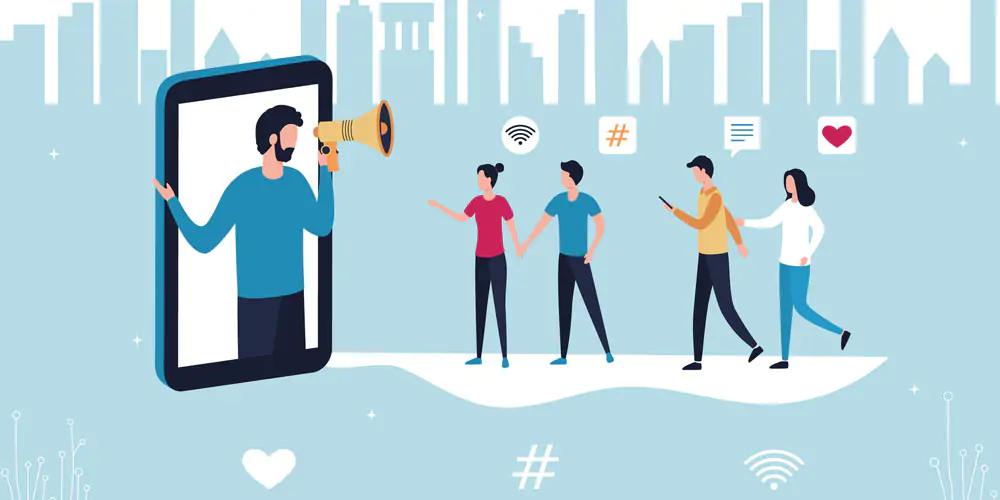
True influencers deeply understand their audience demographics and preferences. They tailor content to address specific pain points and interests. High-quality production values enhance their professional appeal. Consistency in posting schedules builds audience anticipation.
They respond promptly to comments and messages. Interactive elements like polls encourage participation. Platform-specific features receive strategic use for maximum impact. Trending sounds and effects incorporate naturally into their style. Personal branding remains coherent across all content. Vulnerability shared appropriately strengthens connections.
They analyze performance data to refine approaches. Collaboration with other creators expands reach organically. Ethical practices maintain long-term credibility. Sponsored content discloses clearly to preserve trust. They negotiate fair compensation based on value delivered. Campaign objectives align precisely with their strengths. Audience feedback shapes future content directions. Innovation keeps their feeds fresh and engaging.
Community building occurs through exclusive groups or events. They stay informed on industry developments and regulations.
Types of Influencers
Influencers categorize primarily by follower count and engagement levels. Nano-influencers maintain the smallest but often most dedicated audiences. Micro-influencers offer strong niche authority and high interaction rates. Macro-influencers reach broader audiences with established credibility.
Mega-influencers command massive followings and mainstream recognition. Virtual influencers represent a growing category powered entirely by AI. These digital creators operate without physical constraints or scheduling limits. Brands appreciate their complete control over messaging. Human influencers counter with genuine emotional connections.
Each tier serves different campaign objectives effectively. Nano-creators excel in driving authentic conversations. Micro-creators convert followers at superior rates. Macro-creators build wide brand awareness efficiently. Mega-creators deliver enormous reach for major launches. Virtual creators provide consistency across global time zones.
Hybrid campaigns combine human and virtual talent successfully. Engagement quality matters more than quantity in evaluations. Brands select tiers based on specific goals and budgets. Performance data guides optimal tier combinations. The landscape evolves with new categorization approaches emerging. Audience overlap considerations influence multi-influencer strategies.
| Type | Follower Range | Key Characteristics | Best For |
|---|---|---|---|
| Nano | 1,000–10,000 | Highest engagement, niche expertise | Authentic recommendations, conversions |
| Micro | 10,000–100,000 | Strong trust, targeted reach | Niche campaigns, high ROI |
| Macro | 100,000–1M | Broad influence, professional content | Awareness, credibility building |
| Mega | 1M+ | Massive reach, celebrity status | Major launches, viral potential |
| Virtual | Varies | AI-generated, consistent branding | Controlled messaging, global availability |
Popular Influencer Niches in 2026
Fashion remains a dominant niche with diverse sub-categories. Beauty influencers focus on skincare routines and makeup tutorials. Travel creators showcase destinations through immersive video content. Lifestyle sharing covers daily routines and personal growth. Gaming influencers stream live sessions across multiple platforms.
Health and fitness experts demonstrate workouts and nutrition plans. Parenting content addresses modern family challenges authentically. Technology reviewers provide in-depth gadget analysis. Sustainability advocates promote eco-friendly practices and products. Mental health creators destigmatize therapy and self-care.
Finance influencers explain investing and money management. Food content ranges from recipes to restaurant reviews. Education-focused creators teach skills and concepts creatively. Business influencers share entrepreneurial advice and strategies.
Pet content features animal care and training tips. Book influencers recommend reads and discuss literature. Home decor creators inspire interior transformations. Career advice helps followers navigate professional growth. Wellness encompasses holistic approaches to mind and body.
- Fashion and Beauty
- Travel and Lifestyle
- Gaming and Technology
- Health, Fitness, and Wellness
- Sustainability and Mental Health
- Finance and Business
- Parenting and Education
- Food and Home Decor
How to Find Influencers
Start by defining clear campaign goals and target demographics. Research relevant hashtags on primary platforms like TikTok and Instagram. Browse top posts under those hashtags for active creators. Examine engagement patterns on potential profiles carefully.
Use dedicated discovery tools for advanced filtering options. Platforms like Modash and Brandwatch provide detailed analytics access. Search by location, audience demographics, and past brand collaborations. Review content quality and alignment with brand values thoroughly. Check authenticity metrics to avoid fake engagement indicators. Analyze audience overlap with existing customers. Request media kits for performance data and rates.
Direct outreach through DMs or email works for smaller creators. Agencies maintain vetted databases for faster matching. Social listening tools reveal emerging voices in conversations. Competitor analysis shows who drives results in the space.
Community forums and creator networks offer additional leads. Performance history predicts future campaign success reliably. Negotiation preparation includes understanding market rates. Contract terms clarify deliverables and usage rights upfront. Trial collaborations test compatibility before larger commitments.
- Platform hashtag searches
- Discovery tools (Modash, Upfluence, Grin)
- Social listening monitoring
- Competitor campaign analysis
- Direct outreach and networking
- Partnering with agencies
What Does an Influencer Do?
Influencers create content that integrates brand messages naturally. They demonstrate products in real-life scenarios authentically. Reviews include honest pros and cons based on experience. Tutorials show proper usage and tips effectively. Behind-the-scenes content builds emotional connections.
Live demonstrations allow real-time audience interaction. Stories feature quick updates and exclusive offers. Reels and short videos capture attention rapidly. Long-form YouTube content provides detailed explorations. Podcasts host brand discussions conversationally.
Community management fosters ongoing engagement. Analytics tracking measures campaign performance continuously. Content calendars align posts with brand timelines. Creative direction incorporates brand guidelines flexibly. Audience feedback collection informs future collaborations. Cross-promotion amplifies reach across networks.
Affiliate links drive direct sales tracking. Exclusive discount codes incentivize purchases. User-generated content encouragement extends campaign life. Post-campaign reporting details results comprehensively.
Celebrities vs. Influencers
Celebrities gain fame primarily through traditional media channels. Influencers build audiences organically on social platforms. Niche expertise defines most influencer authority. Broad appeal characterizes celebrity recognition typically.
Influencers maintain higher engagement rates generally. Celebrities reach massive but less interactive audiences. Relatability favors influencers in consumer decisions. Luxury lifestyles distance some celebrities from followers. Influencers share everyday experiences more readily. Brand partnerships suit both but differently. Influencers offer targeted demographic access.
Celebrities deliver widespread awareness quickly. Authenticity perceptions lean toward influencers currently. Long-term partnerships work better with influencers.
Performance tracking proves easier with influencer campaigns. Hybrid approaches combine both for maximum impact. Audience trust develops differently in each case. Content creation frequency differs significantly between them.
Why Brands Partner with Influencers
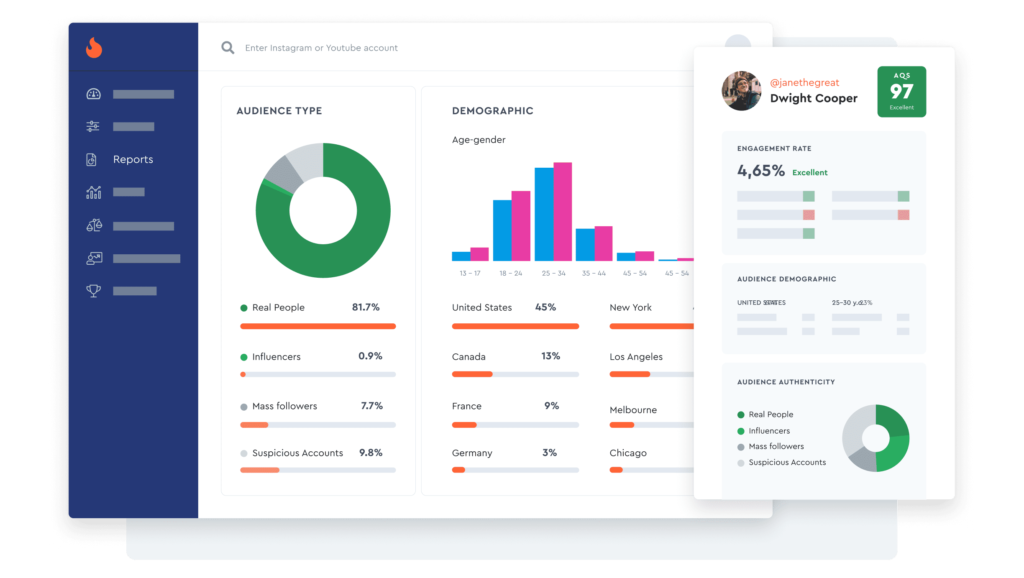
Brands achieve average ROI of $5.78 per dollar invested. Many campaigns return significantly higher amounts. Trust in influencer recommendations exceeds traditional advertising. Organic content integration bypasses ad fatigue effectively. Targeted reach matches specific buyer personas precisely. Viral potential expands exposure beyond paid promotion.
Authentic storytelling resonates emotionally with audiences. User-generated content extends campaign longevity naturally. Social proof influences purchasing decisions powerfully. Community engagement builds lasting brand loyalty. Performance-based payment aligns incentives perfectly. Data insights reveal audience preferences clearly.
Creative perspectives refresh brand messaging innovatively. Multi-platform distribution maximizes touchpoints. Long-term partnerships deepen associations meaningfully. Micro-targeting capabilities outperform broad advertising.
Real-time feedback informs product improvements quickly. Cultural relevance maintains through trend participation. Cost efficiency improves with proper tier selection. Measurable results justify continued investment confidently.
How to Partner with Influencers
Define specific campaign objectives and KPIs upfront. Select platforms where target audiences engage most. Match influencer tiers to desired outcomes accurately. Negotiate clear deliverables and timelines early. Provide creative freedom within brand guidelines.
Establish tracking methods for performance measurement. Use unique links and codes for attribution. Schedule content approval processes efficiently. Monitor campaign progress through shared dashboards.
Encourage authentic integration over scripted messaging. Offer fair compensation based on value delivered. Build relationships for future collaborations naturally. Provide products well in advance for testing. Support content creation with necessary assets.
Communicate feedback constructively throughout execution. Analyze results together for mutual learning. Scale successful partnerships across more creators. Diversify across tiers for balanced coverage. Top influencer marketing agency partners simplify complex coordination.
Working with an Influencer Marketing Agency
Agencies maintain extensive vetted creator databases. They match brands with ideal influencers efficiently. Full campaign management saves internal resources significantly. Expertise ensures compliance with current regulations.
Negotiation experience secures favorable terms consistently. Performance optimization occurs throughout execution. Comprehensive reporting delivers actionable insights. Trend awareness keeps strategies current.
Multi-influencer coordination scales efforts smoothly. Creative direction maintains brand consistency. Risk mitigation handles potential issues proactively. Budget optimization maximizes returns effectively. International reach accesses global talent pools. Long-term relationship management builds ongoing value. Technology integration streamlines workflows completely.
Data analysis identifies improvement opportunities precisely. Crisis management protects brand reputation swiftly. Partnership development creates exclusive opportunities. Results tracking proves marketing effectiveness clearly.
Frequently Asked Questions
What defines an influencer in 2026?
An influencer maintains an engaged audience and drives actions through authentic content across social platforms.
How do influencers earn income?
Most receive payment through sponsored posts, affiliate commissions, and brand partnerships.
Are virtual influencers real?
Virtual influencers are AI-generated digital personalities that perform similar functions to human creators.
Which platforms dominate influencer marketing?
TikTok, Instagram, and YouTube lead, with growing presence on emerging platforms.
Why choose micro-influencers?
Micro-influencers deliver superior engagement and conversion rates within specific niches.
Is influencer marketing profitable?
Brands typically see strong returns, with many campaigns achieving significant ROI.
How do brands measure success?
Key metrics include engagement rates, conversions, reach, and sales attribution.
The influencer landscape in 2026 offers brands powerful opportunities for authentic connection and measurable growth.