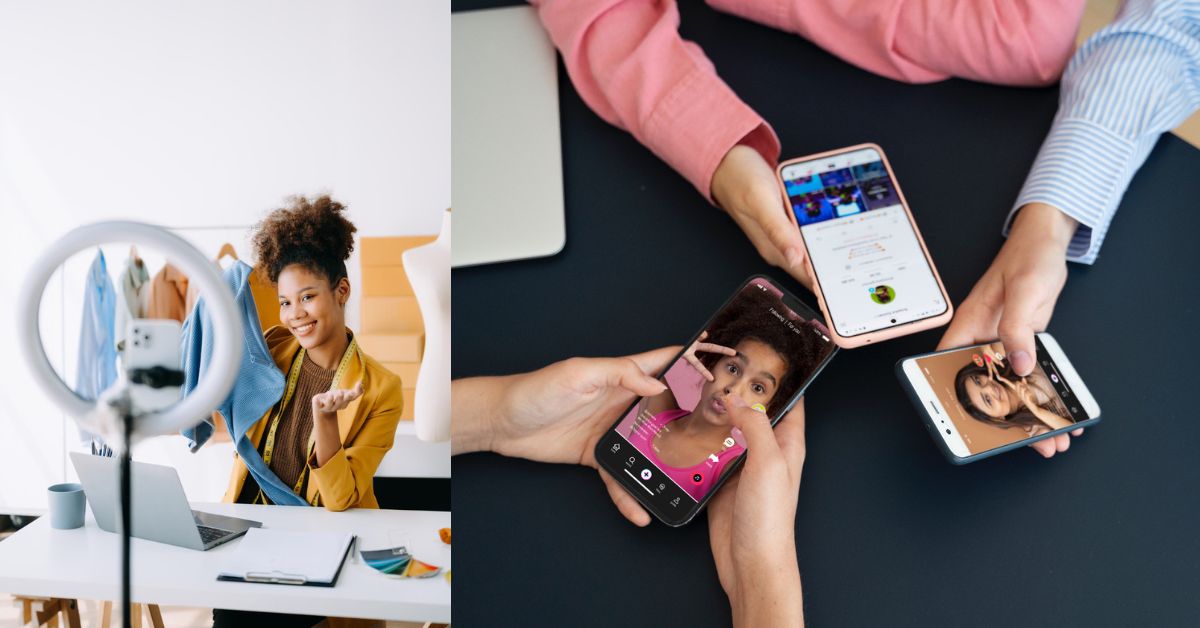
If you’ve noticed your social media posts getting fewer likes, views, or comments overnight—despite consistent effort—you’re not alone. Many brands, influencers, and marketers experience sudden drops in reach, often wondering if they’ve been hit by a shadowban. In 2026, this term remains hotly debated: platforms deny “shadowbanning” accounts, but reduced visibility is very real through algorithm limits and eligibility rules.
Table of Contents
- What Exactly Is a Shadowban?
- Is Shadowbanning Still Real in 2026? Platform Statements
- Signs You Might Have Reduced Visibility
- How to Check for Reduced Visibility on Major Platforms
- TikTok
- X (Twitter)
- Common Causes of Reduced Visibility
- How to Fix and Prevent Reduced Visibility
- How Reduced Visibility Impacts Influencer Marketing Campaigns
- Stay Visible and Thrive
This comprehensive guide explains what a shadowban really means today, whether it’s still happening on major platforms like Instagram, TikTok, and X (formerly Twitter), how to spot it, common causes, and proven steps to restore your reach. You’ll also learn how these visibility issues impact influencer marketing campaigns—and why partnering with a top influencer marketing agency like HireInfluence can safeguard your growth.
What Exactly Is a Shadowban?
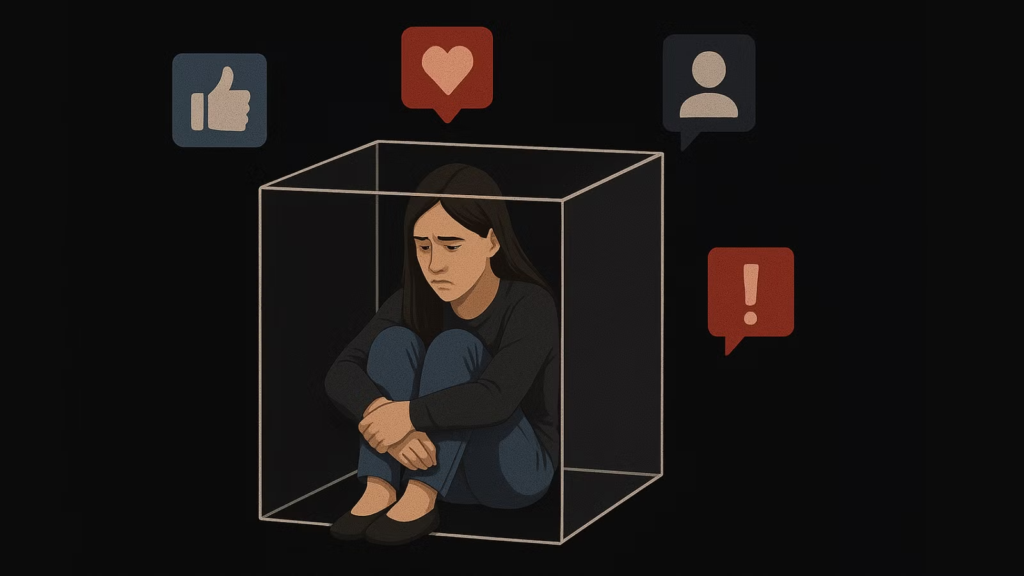
A shadowban—also called stealth banning, ghost banning, or deboosting—refers to a platform quietly limiting an account’s content visibility without notifying the user. Your posts still appear on your profile and to existing followers, but they rarely show up in feeds, hashtag searches, Explore pages, or For You Pages (FYP) for non-followers.
Unlike full bans or suspensions, shadowbans (or modern equivalents) feel invisible at first. Platforms in 2026 avoid the term, preferring “reduced distribution,” “visibility filtering,” or “not eligible for recommendation.” The effect remains the same: organic reach plummets, stalling growth.
Historically, shadowbanning moderated spam or harmful content discreetly. Today, advanced algorithms enforce community guidelines more transparently—but user experiences show unexplained limits persist.
Is Shadowbanning Still Real in 2026? Platform Statements
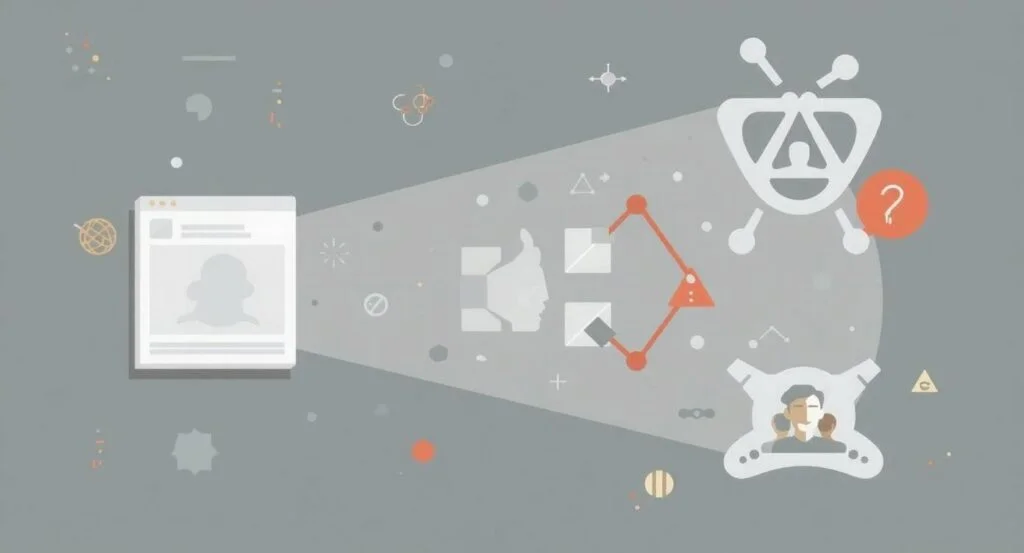
The short answer: Yes in practice, but platforms reframe it.
- Instagram: Leaders like Adam Mosseri deny “shadowbanning,” emphasizing content ranks based on interest and guidelines. The Account Status tool reveals if posts aren’t recommended due to violations.
- TikTok: No official admission of shadowbans, but creators report “visibility filtering” for spam, copyright issues, or sensitive content. Videos get stuck at low views without reaching the FYP.
- X (Twitter): Explicitly states no shadowbans exist, using “visibility filtering” for rule-breaking or low-quality content. Third-party testers still detect reduced reach.
In 2026, transparency tools help, but sudden drops often feel like old-school shadowbans—especially for rapid-growth accounts.
Signs You Might Have Reduced Visibility
Watch for these red flags:
- Sharp, sustained drops in impressions, likes, comments, or shares.
- Posts vanish from hashtag searches or Explore/FYP.
- Reach mostly comes from existing followers (check insights for non-follower percentage).
- Views stall (e.g., TikTok videos at 0-100 views for hours).
- Engagement rate falls below your norms.
Not every dip means a limit—algorithm changes happen—but consistent patterns across posts signal an issue.
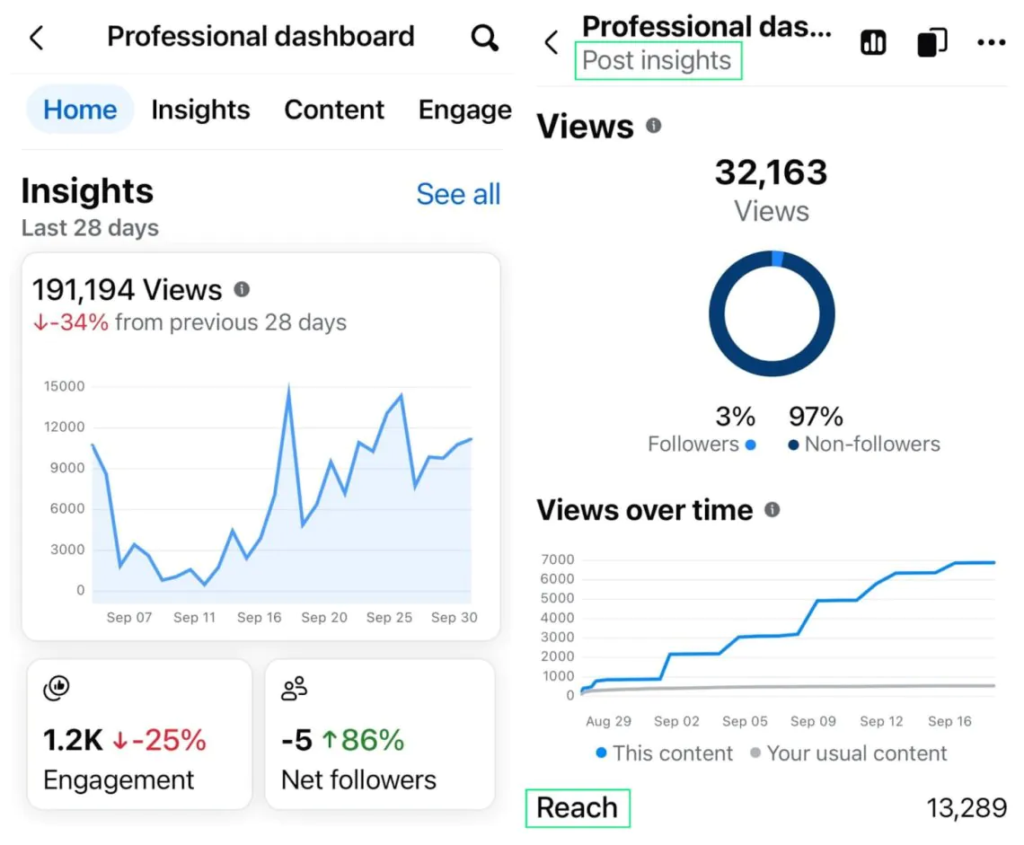
How to Check for Reduced Visibility on Major Platforms
Use built-in tools and simple tests:
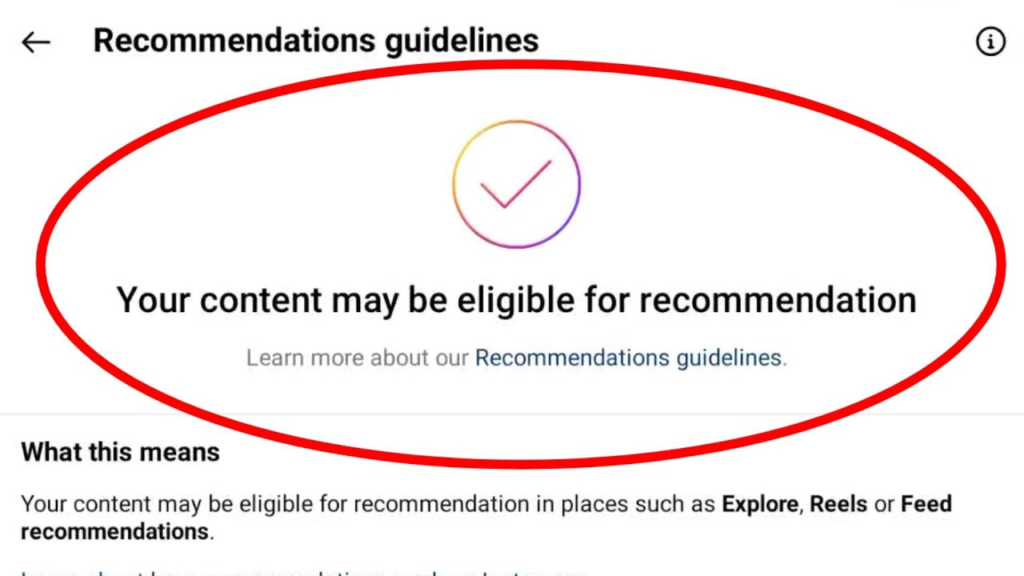
- Go to Profile > Menu > Settings > Account > Account Status.
- Check for flags on content eligibility.
Test: Post with a unique hashtag (#YourUsernameTest2026), then search it from a non-following account.
TikTok
No direct status tool, but:
- Monitor if new videos stay under 300 views for days.
- Use a secondary account to search for your content.
X (Twitter)
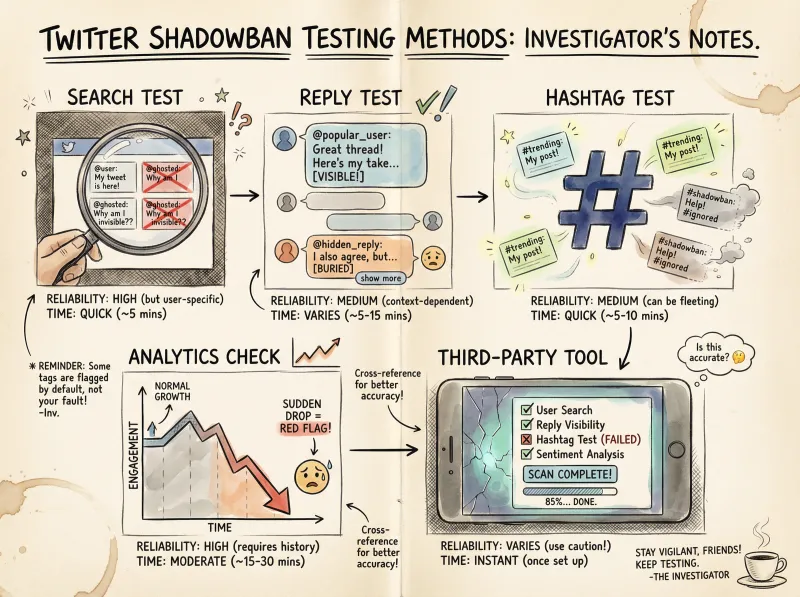
Use free testers like shadowban.eu or similar 2026 tools. Search your posts from a logged-out browser.
| Platform | Official Tool | Quick Test Method | Typical Duration |
|---|---|---|---|
| Account Status | Unique hashtag search | 7-30 days | |
| TikTok | None (insights only) | View count stall + secondary search | Days to weeks |
| X | Visibility filtering notices | Third-party tester or incognito search | Variable |
Common Causes of Reduced Visibility
Triggers include:
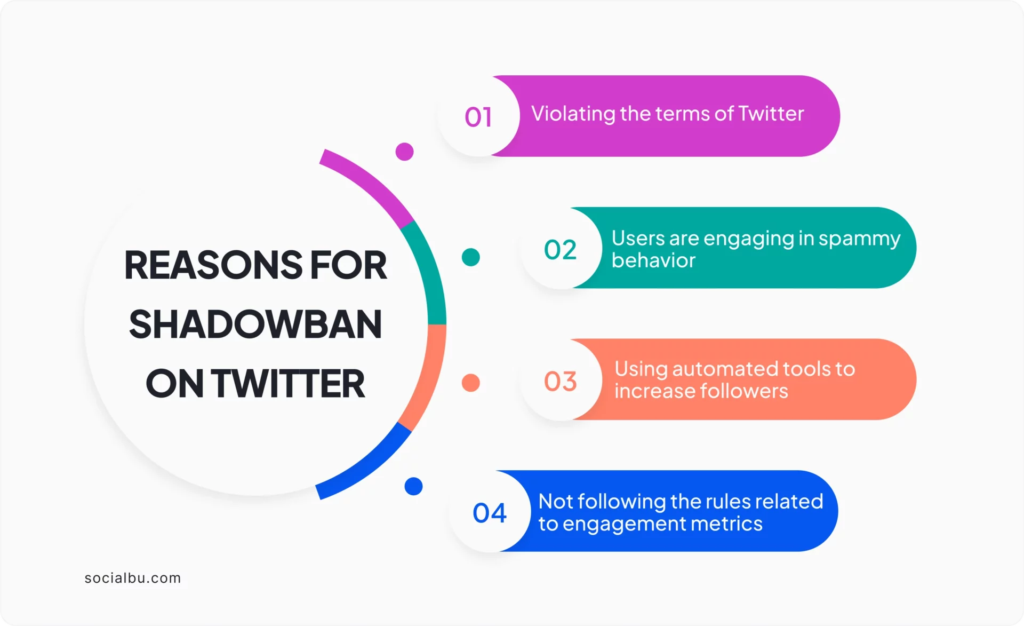
- Bot-like activity → (rapid follows/unfollows, automated tools).
- Violating guidelines → (spam, misinformation, sensitive content).
- Overusing hashtags → especially flagged ones.
- Copyright issues or reports.
- Sudden engagement spikes → that mimic inauthentic growth.
Platforms prioritize authentic interactions in 2026.
How to Fix and Prevent Reduced Visibility
Act quickly:
- Pause posting and high activity for 48-72 hours (or up to a week).
- Review and delete violating content.
- Revoke third-party app access.
- Switch to authentic engagement: quality comments, relevant hashtags (5-10 per post).
- Appeal via platform support if flagged.
- Diversify content and post consistently but naturally.
Prevention tips:
- Follow community guidelines strictly.
- Grow organically.
- Monitor insights weekly.
- Avoid banned or spammy hashtags.
How Reduced Visibility Impacts Influencer Marketing Campaigns
For brands running influencer campaigns, a partner’s limited reach can tank ROI. Posts may not hit new audiences, slashing impressions and conversions. In competitive 2026 markets, one flagged post risks campaign-wide drops.
That’s where experts help. A professional influencer marketing agency like HireInfluence vets creators for healthy accounts, ensures guideline compliance, and builds resilient strategies focused on authentic growth.
Stay Visible and Thrive
Reduced visibility—call it shadowban or not—can disrupt growth, but understanding 2026 realities empowers you to bounce back. Prioritize transparency tools, authentic content, and guideline adherence for lasting reach.
If you’re a brand or influencer worried about visibility affecting campaigns, reach out for a free audit. Let’s keep your content shining.
Ready to protect your social presence? Explore more on authentic growth and platform best practices.