
In the fast-evolving world of digital marketing, influencer marketing continues to dominate as a powerful tool for brands seeking authentic connections with audiences. As of 2026, the global influencer marketing industry has reached approximately $34 billion, reflecting robust growth and increasing adoption by businesses of all sizes. This surge is driven by its proven ability to deliver high ROI—often up to $5-6 for every dollar invested—making it essential for brands to have a structured approach. If you’re a business aiming to leverage influencers but struggling with where to start, this influencer marketing strategy template provides a comprehensive, step-by-step guide.
Table of Contents
- Why You Need an Influencer Marketing Strategy Template
- Step 1: Define Your Influencer Marketing Goals
- Common Goals for Influencer Campaigns
- Step 2: Determine Your Campaign Budget
- Key Budget Components
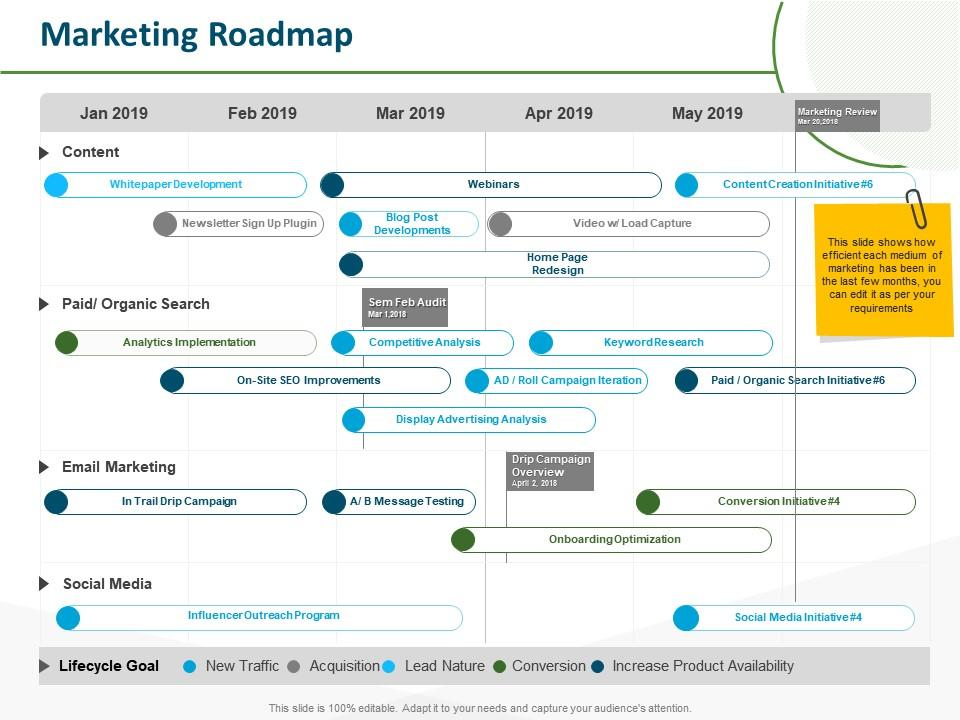
- Step 3: Create Content Briefs and Schedules
- Building Effective Content Briefs
- Planning Your Content Calendar
- Step 4: Define Your Target Audience and Personas
- Creating Customer Personas
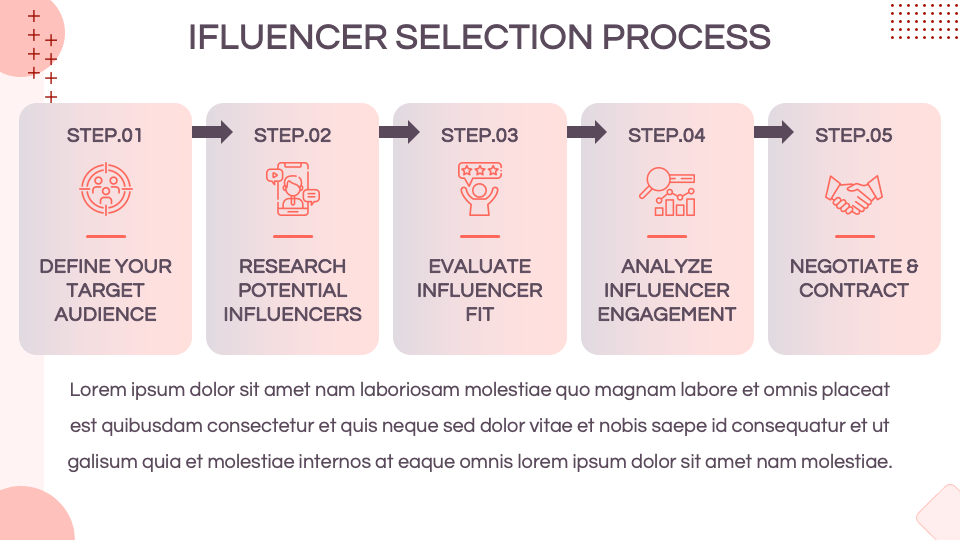
- Step 5: Search and Select Influencers
- Key Factors Beyond Follower Count
- Step 6: Establish Contracts and Agreements
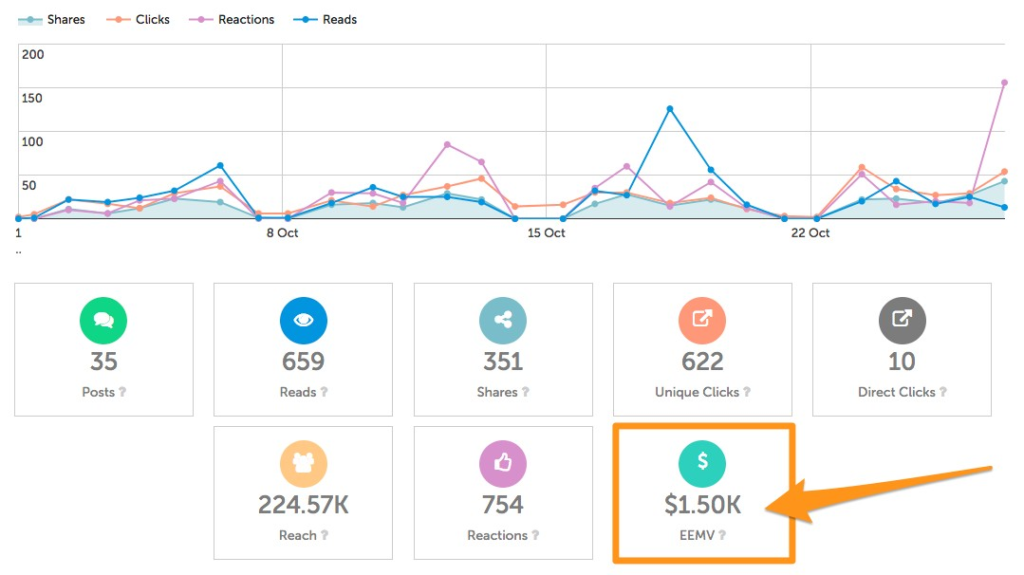
- Step 7: Analyze and Measure Campaign Success
- Essential Metrics to Track
- Common Mistakes to Avoid in Influencer Marketing
- Quick-Start Influencer Marketing Template Checklist
Drawing from agency expertise, it will help you plan, execute, and measure campaigns effectively, avoiding common pitfalls and maximizing results. By the end, you’ll have a ready-to-use framework to boost brand awareness, drive traffic, or achieve other key goals, all while considering the latest trends like AI-driven matching and platform-specific optimizations.
Why You Need an Influencer Marketing Strategy Template
Launching an influencer campaign without a clear plan is like navigating a vacation without an itinerary—exciting but inefficient. In 2026, with 74% of marketers planning to increase their influencer budgets, efficiency is key to standing out in a crowded space. A well-defined influencer marketing strategy template acts as your roadmap, ensuring every step aligns with your business objectives and budget. It helps avoid wasted resources on mismatched partnerships or vague content, which can lead to underwhelming ROI.
Without this foundation, brands often fall into traps like poor audience targeting or inconsistent messaging, resulting in campaigns that fizzle out. By starting with a template, you create a cohesive influencer campaign plan that builds momentum, fosters long-term partnerships, and delivers measurable outcomes. Whether you’re a startup or an established brand, this structure minimizes risks and amplifies success in the competitive landscape of social media influencers.
Step 1: Define Your Influencer Marketing Goals
Every successful campaign begins with crystal-clear goals. These high-level objectives guide your influencer marketing goals and ensure your efforts contribute to broader business aims. Common goals include:
Common Goals for Influencer Campaigns
- Increase Brand Awareness: Introduce your brand to new audiences through organic, relatable content. Influencers excel here by making discoveries feel authentic, especially on platforms like Instagram and TikTok.
- Drive Website Traffic: Use targeted influencer posts to funnel visitors to optimized landing pages. Ensure your site is conversion-ready to turn traffic into leads or sales.
- Build Trust and Credibility: Partner with niche experts to establish authority in skeptical markets. This is particularly effective for new entrants needing validation.
- Introduce Existing Products to New Audiences: Expand reach by aligning with influencers whose followers match untapped personas, pushing the boundaries of your marketing messaging.
- Launch a New Product: Combine awareness, credibility, and traffic for launches. For complex rollouts, consider phased campaigns to avoid dilution.
- Increase Overall Brand Engagement & Mentions Across Platforms: Boost interactions like shares, comments, and hashtags via contests or challenges to build excitement.
Tie these to agency expertise—if managing in-house feels overwhelming, working with professionals can refine goals for higher impact. Remember, overlapping too many objectives can weaken results; prioritize one primary goal per campaign.
Step 2: Determine Your Campaign Budget
Budgeting is the backbone of any influencer campaign plan. In 2026, with the market expanding rapidly, view this as an investment yielding strong returns. Key components include:
Key Budget Components
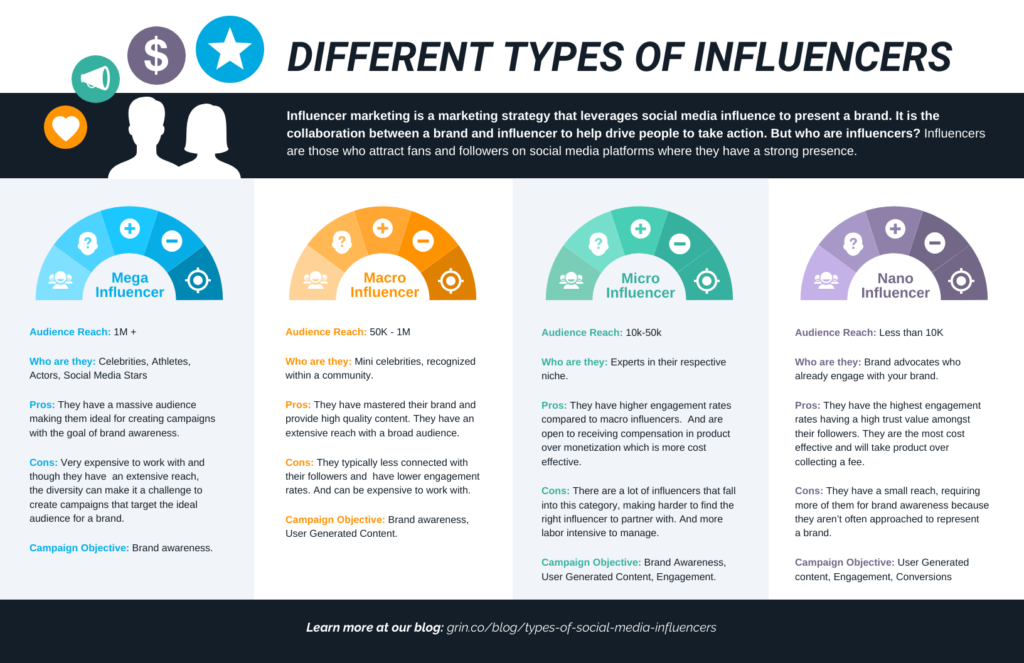
- Influencer Costs: Fees vary by tier—nano-influencers ($100-300 per post), micro ($500-2,000), mid-tier ($5K+). Factor in audience size and engagement for value.
- Content Costs: Expenses for product shipments, custom landing pages, or discount codes.
- Additional Costs: Travel for events or tools for tracking.
- Campaign Length: Allocate for the full duration, with buffers to extend successful runs.
Compare agency-managed vs. in-house: Agencies often deliver 20% higher ROI through optimized spending. Aim for realistic budgets aligned with goals—underfunding leads to incomplete campaigns, while overextending drains resources.
Step 3: Create Content Briefs and Schedules
Content is the heart of influencer partnerships. A solid content brief for influencers outlines expectations while allowing creative freedom.
Building Effective Content Briefs
Include scripts, style guides, and key messaging. Be flexible to match the influencer’s tone, but ensure alignment with campaign goals. For unpaid reviews, agreements may be looser.
Planning Your Content Calendar
Map out publishing dates, especially for multi-influencer setups. Use tools like CoSchedule to avoid overlaps and maintain momentum. Add lead time for approvals to prevent delays.
Step 4: Define Your Target Audience and Personas
Understanding your audience ensures precise targeting. Skip this if you have established data; otherwise, invest time here.
Creating Customer Personas
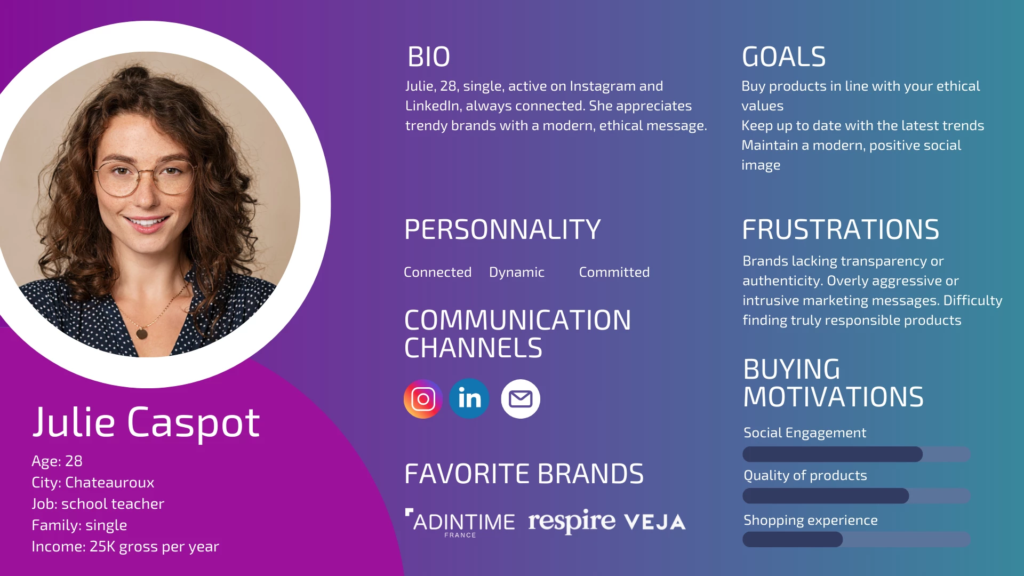
Start with demographics (age, location, income), then drill into pain points and aspirations. Example:
Persona: Alexandra
- Demographics: Age 34, Major city, MBA, $120K income, Single.
- Career: Senior Marketing Manager at tech startup.
- Lifestyle: Work-life balance seeker, active on LinkedIn/Instagram, values sustainability.
- Fashion Preferences: Polished, versatile business casual.
- Pain Points: Time constraints for shopping, finding professional yet stylish clothes.
- Goals: Project confidence, build versatile wardrobe.
Use surveys, sales data, or competitor analysis to build 2-4 personas. Agency tools can enhance this with advanced analytics.
Focus on core personas per campaign—stretching too thin reduces ROI.
Step 5: Search and Select Influencers
With personas in hand, find influencers whose audiences align.
Key Factors Beyond Follower Count
Prioritize engagement rates, audience demographics, and style match. Use tools like Modash for discovery. Smaller influencers often yield higher ROI due to niche targeting.
Budget influences choices—start small for testing. Vet for brand alignment, avoiding controversies unless it fits your niche.
Step 6: Establish Contracts and Agreements
Secure partnerships with clear contracts covering:
- Payment terms
- Content ownership
- Approval processes
- Confidentiality
- Deliverables
- Termination
- Exclusivity
- FTC disclosures (updated 2026 guidelines).
Agency-managed contracts streamline compliance and reduce risks.
Step 7: Analyze and Measure Campaign Success
Tracking ensures optimization.
Essential Metrics to Track
- Engagement rate
- Reach/impressions
- Website traffic
- Conversions/sales
- Brand mentions
- ROI
- Sentiment
- CTR
- User-generated content
Use Google Analytics and agency reports for insights. Adjust based on data for future campaigns.
Common Mistakes to Avoid in Influencer Marketing
- Poor planning: Use this template to stay structured.
- Not vetting influencers: Leads to mismatches.
- Vague briefs: Causes off-message content.
- Underfunding: Halts momentum.
- Wrong metrics: Focus on goal-relevant ones.
Quick-Start Influencer Marketing Template Checklist
- Define goals (e.g., brand awareness).
- Set budget (influencer costs, etc.).
- Create briefs aligned with goals.
- Develop schedule.
- Build personas and target.
- Search influencers matching criteria.
- Draft contracts.
- Track metrics like ROI.
Download a customizable version for easy implementation.
In conclusion, this 2026 influencer marketing strategy template equips you to create high-performing campaigns from ideation to analysis. Key takeaways: Start with goals, budget wisely, target precisely, and measure relentlessly for sustained success. For businesses seeking professional execution, partner with a top influencer marketing agency like HireInfluence to elevate your efforts—contact us today for a free consultation. Explore related topics like “Influencer Trends 2026” or our agency services for deeper insights.