Last updated April 1, 2026
Table of Contents
- 10 Influencer-Founded Brands Inspiring 2026 (and the Creator-Commerce Playbook Behind Them)
- Quick snapshot (2026)
- 1. Prime
- 2. Frankies Bikinis
- 3. Chiara Ferragni Collection
- 4. REFY
- 5. EM Cosmetics
- 6. Be My Travel Muse
- 7. Wildflower Cases
- 8. Voice-Swap (AI creator tools done “rights-first”)
- 9. CRAFTD London
- 10. Djerf Avenue
- The 2026 patterns across these brands
- What this means if you’re building (or marketing) a creator-led brand in 2026
10 Influencer-Founded Brands Inspiring 2026 (and the Creator-Commerce Playbook Behind Them)
Creator-led brands aren’t “merch with a logo” anymore. In 2026, the winners look like real operators: tighter product lines, more disciplined drops, better supply chains, and clearer brand safety standards. The creator economy also pushed commerce closer to content—social commerce formats keep compressing the funnel, and brands that build community and operational leverage are pulling away from the pack.
This list updates a classic “influencer-founded brands” roundup for 2026 with a sharper lens: what’s actually working right now, what’s changed, and what marketers can copy without turning the article into a beginner’s guide.
If you’re building campaigns around creator-led brands, partnering with a top influencer marketing agency can help you structure creator selection, content strategy, and paid amplification without losing authenticity—here’s a solid reference point: top influencer marketing agency.
Quick snapshot (2026)
| Brand | Founder(s) | Category | What’s most “2026” about it | The repeatable play |
|---|---|---|---|---|
| Prime | Logan Paul & KSI | Beverage / hydration | Distribution + cultural relevance | Make product participation-worthy |
| Frankies Bikinis | Francesca Aiello | Fashion / swim | Collab velocity + aesthetic consistency | Drop discipline + collab flywheel |
| Chiara Ferragni Collection | Chiara Ferragni | Fashion | Rebuilding trust + brand resilience | Reputation management as brand ops |
| REFY | Jess Hunt & Jenna Meek | Beauty | Community-first product roadmaps | Launch what your audience already hacks |
| EM Cosmetics | Michelle Phan | Beauty | Founder credibility compounding over time | Founder-as-expert, not just face |
| Be My Travel Muse | Kristin Addis | Travel media | Niche authority + evergreen SEO + community | Content moat + community loops |
| Wildflower Cases | Devon & Sydney Carlson | Accessories | Collabs + culture drops | Make the product a conversation piece |
| Voice-Swap | (Creator + artist roster model) | Creator tech / AI audio | Licensing + royalties baked in | Monetize ethically: rights-first AI |
| CRAFTD London | Alex Cannon & Danny Buck | DTC jewelry | Brand-as-lifestyle with strong operators | Identity branding + direct response |
| Djerf Avenue | Matilda Djerf | Fashion | Aesthetic uniformity + “slow hype” | Consistency beats constant reinvention |
1. Prime
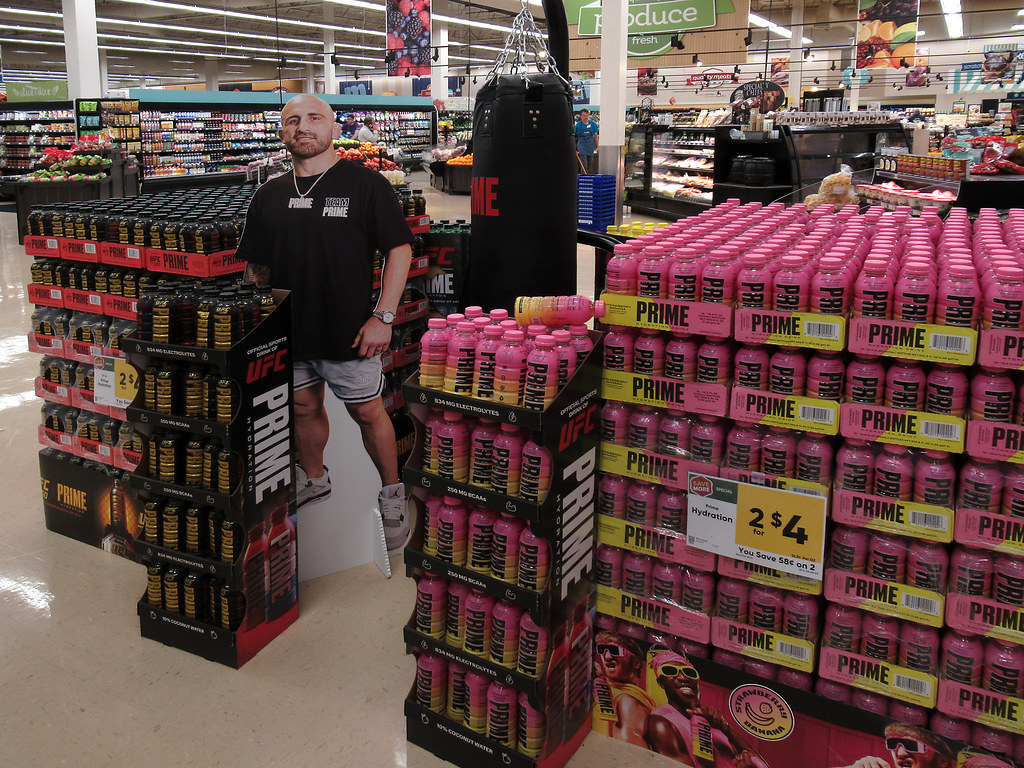
Prime sits at the intersection of creator reach and mainstream retail presence. The brand’s advantage isn’t just awareness—it’s the way content makes the product feel like a cultural object, not a commodity beverage. In 2026, “creator-built” succeeds when the product can live beyond the creator’s feed: shelves, sports culture, retail partnerships, and consistent demand signals.
Prime also demonstrates a key shift: the creator is the launchpad, but the brand has to operate like a real CPG business—distribution, compliance, and repeat purchase mechanics matter as much as virality.
Why this works (and how to use it)
- Build “participation loops” (taste tests, reactions, challenges) that naturally generate UGC.
- Keep packaging and naming instantly recognizable—thumb-stopping at retail and on camera.
- Treat demand spikes as a supply-chain test, not a victory lap.
2. Frankies Bikinis
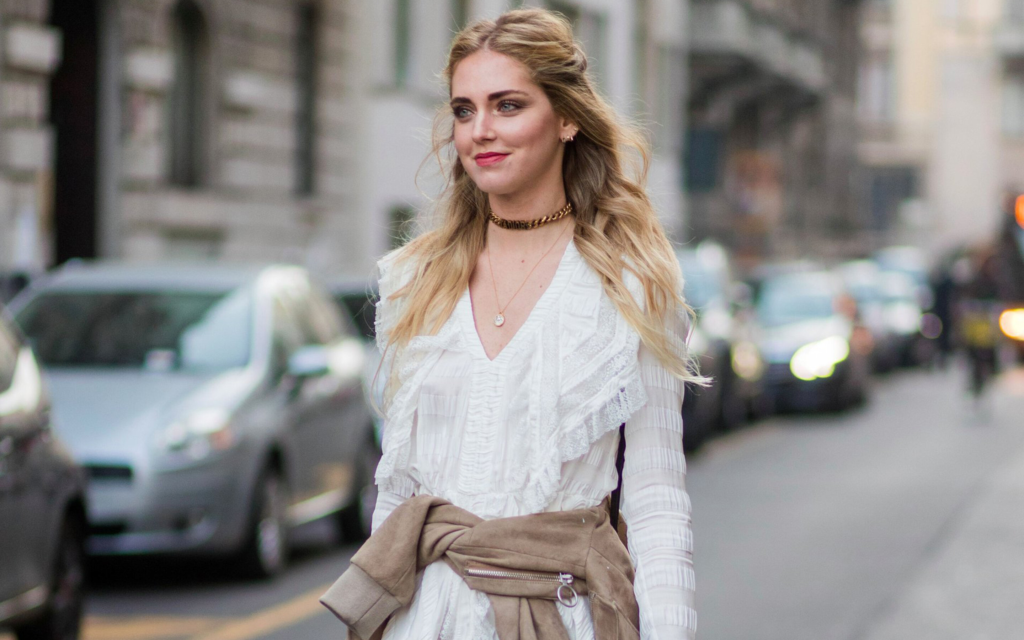
Frankies Bikinis is a masterclass in aesthetic consistency. The brand has kept a clear visual language—sun-washed tones, flattering silhouettes, and campaign imagery that looks native to social feeds. In 2026, fashion brands win when they can move quickly without looking chaotic; Frankies proves you can scale drops and collaborations while still feeling cohesive.
What’s especially relevant now is the “collab flywheel”: partnerships don’t just sell units—they reset attention cycles, refresh the catalog, and recruit new audiences with each launch.
Why this works (and how to use it)
- Use collaborations to refresh attention, not to “borrow clout.”
- Build a visual system so every post looks unmistakably “on brand.”
- Keep the assortment tight; expand depth (variants) before breadth (categories).
3. Chiara Ferragni Collection

Chiara Ferragni’s brand has long been a benchmark for turning personal style into scalable commerce. The 2026 angle here isn’t “how to get famous”—it’s how creator brands handle reputation cycles, legal/regulatory pressure, and public scrutiny while staying operational.
In the current climate, trust is a growth channel. Brands that treat reputation as part of operations—clear messaging, consistent actions, and transparent partnerships—recover faster and keep retail relationships intact.
Why this works (and how to use it)
- Treat crisis comms as a standing capability, not an emergency scramble.
- Align partnerships with values and audience expectations.
- Rebuild with proof points (product quality, fulfillment reliability, consistent brand behavior).
4. REFY
 Image credit: REFY (brand site).
REFY is what happens when community insight becomes product development. The brand didn’t just “launch makeup”—it built around the routines people already do: brows, fast complexion, and repeatable daily looks. In 2026 beauty, the winning pattern is operational clarity: fewer SKUs that sell relentlessly, with strong education content and predictable launches.
REFY also fits the modern creator-commerce pipeline: creator authority → community feedback → product iteration → repeat purchase. It’s not complicated—it’s disciplined.
Why this works (and how to use it)
- Launch into a single, repeatable routine (e.g., brows) before expanding.
- Turn product pages into content: demos, quick routines, before/after.
- Use social proof strategically: not “hype,” but specific use-cases.
5. EM Cosmetics
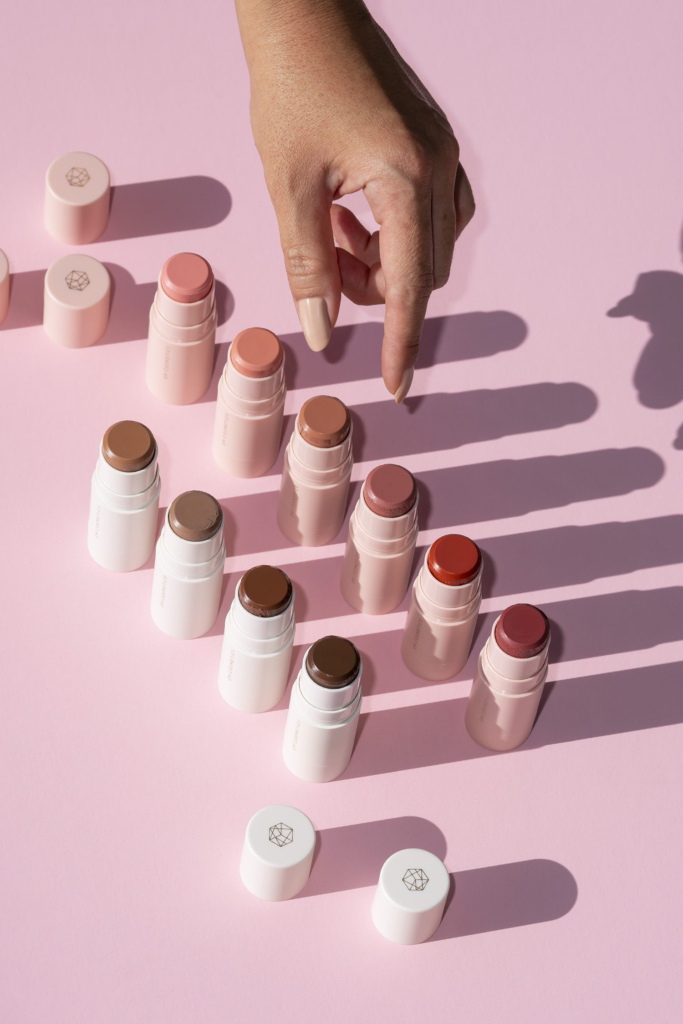
EM Cosmetics is the long-game example. Michelle Phan’s credibility didn’t come from one viral moment; it compounded over years of tutorials, product education, and taste-making. In 2026, founder credibility is a moat—especially when audiences are more skeptical of cash-grab launches.
EM Cosmetics also shows how expertise branding beats trend-chasing. A creator who can explain why something works (without sounding like a lecturer) builds durable trust, and trust is the most defensible customer acquisition asset a creator brand can have.
Why this works (and how to use it)
- Lean into founder expertise and product rationale—keep it practical, not preachy.
- Focus on hero products that earn repeat behavior.
- Make community feedback visible in how you evolve the line.
6. Be My Travel Muse

Be My Travel Muse highlights a less flashy but extremely powerful model: niche authority + evergreen content + community. Travel content in 2026 is noisy, but the brands that win aren’t chasing every trend—they’re building a library that ranks, converts, and drives trust over time.
What’s especially relevant now is resilience. When platform algorithms shift, an owned-content moat (SEO traffic, email, community) stabilizes revenue. This is “creator commerce” in a quieter form: the audience doesn’t just follow—they return.
Why this works (and how to use it)
- Build a content moat with high-intent evergreen pages.
- Pair editorial content with simple conversion paths (guides, memberships, partnerships).
- Make community part of the product, not just a comment section.
7. Wildflower Cases
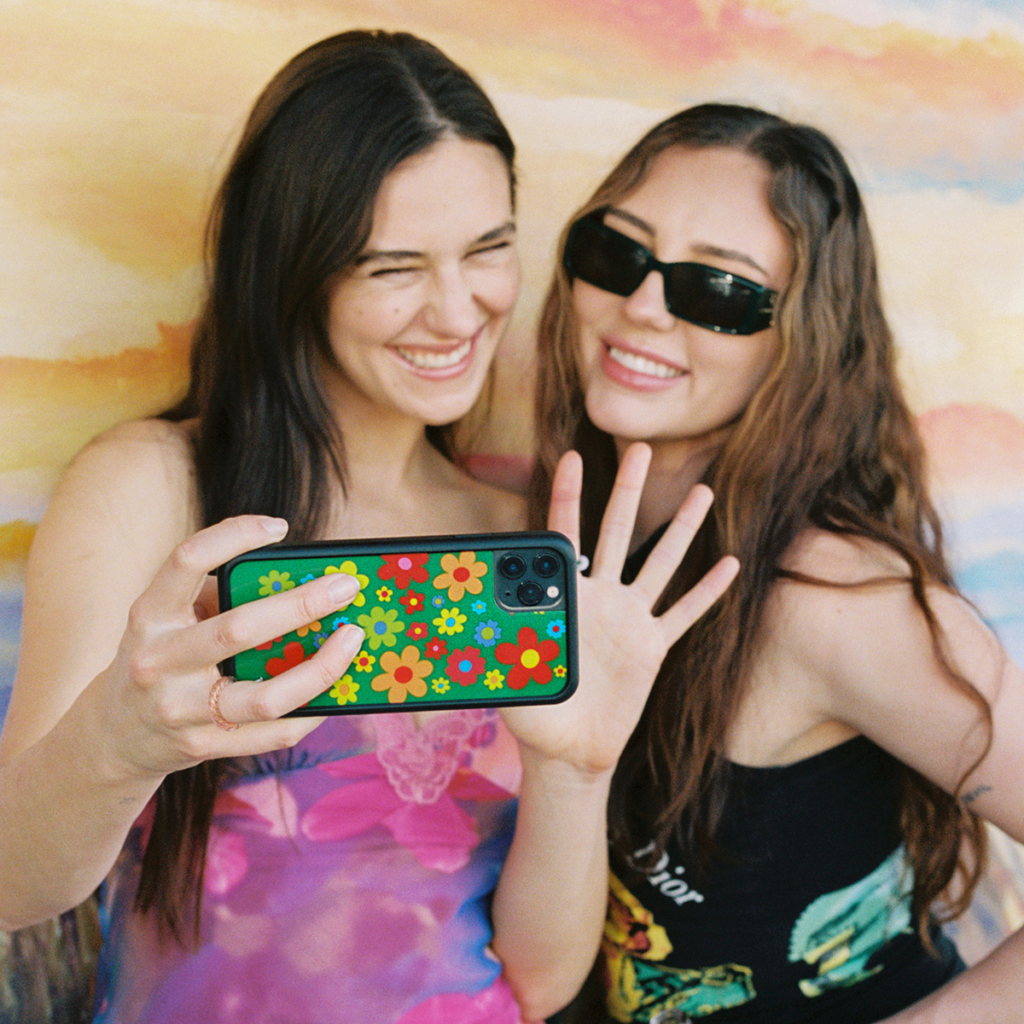
Wildflower Cases is a culture-drop engine. The product is functional, but the real value is identity: designs that feel collectible, shareable, and collaboration-ready. In 2026, accessories win when they function like content—people show them, talk about them, gift them, and post them.
Wildflower’s approach also aligns perfectly with the modern “drop economy”: limited runs, collabs, and designs that create urgency without the brand having to shout.
Why this works (and how to use it)
- Make the product camera-friendly (texture, color, recognizable patterns).
- Build collaboration cadence as a growth system.
- Use scarcity carefully; don’t train your audience to wait for discounts.
8. Voice-Swap (AI creator tools done “rights-first”)
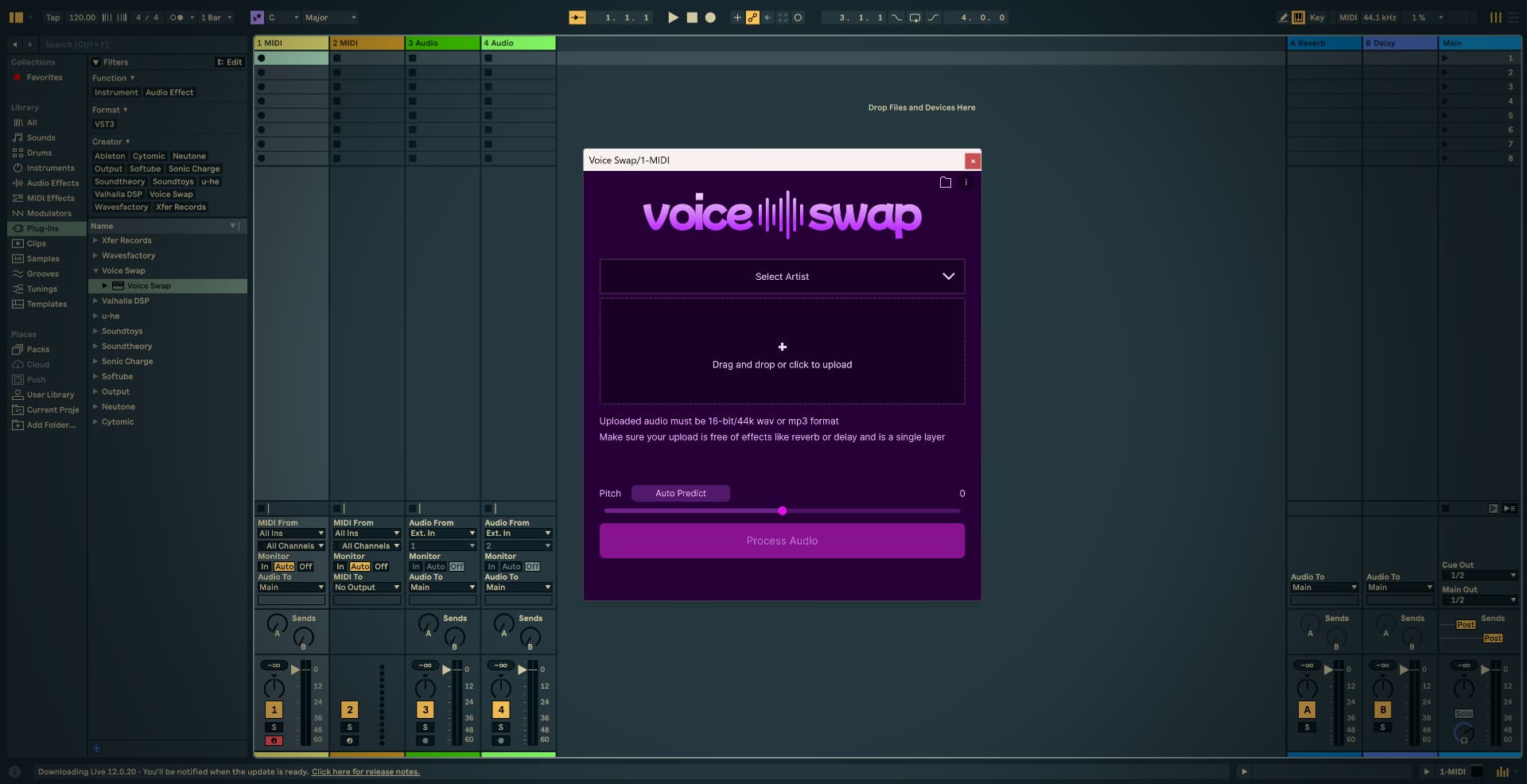
AI tools are everywhere in 2026, but audio is still one of the most sensitive categories because identity and rights are inseparable from voice. Voice-Swap stands out by positioning licensing and artist participation as part of the model—not an afterthought. Their messaging is clear: an artist roster, royalties, and protections are not “nice to have”; they’re the product.
For brands watching creator-tech, the lesson is bigger than audio: audiences increasingly reward tools that bake in ethics, permissions, and transparency.
Why this works (and how to use it)
- Put rights and permissions in the value proposition, not the fine print.
- Make the “trust layer” visible: licensing, watermarking, approvals, safeguards.
- Build partnerships that feel like shared upside, not extraction.
9. CRAFTD London
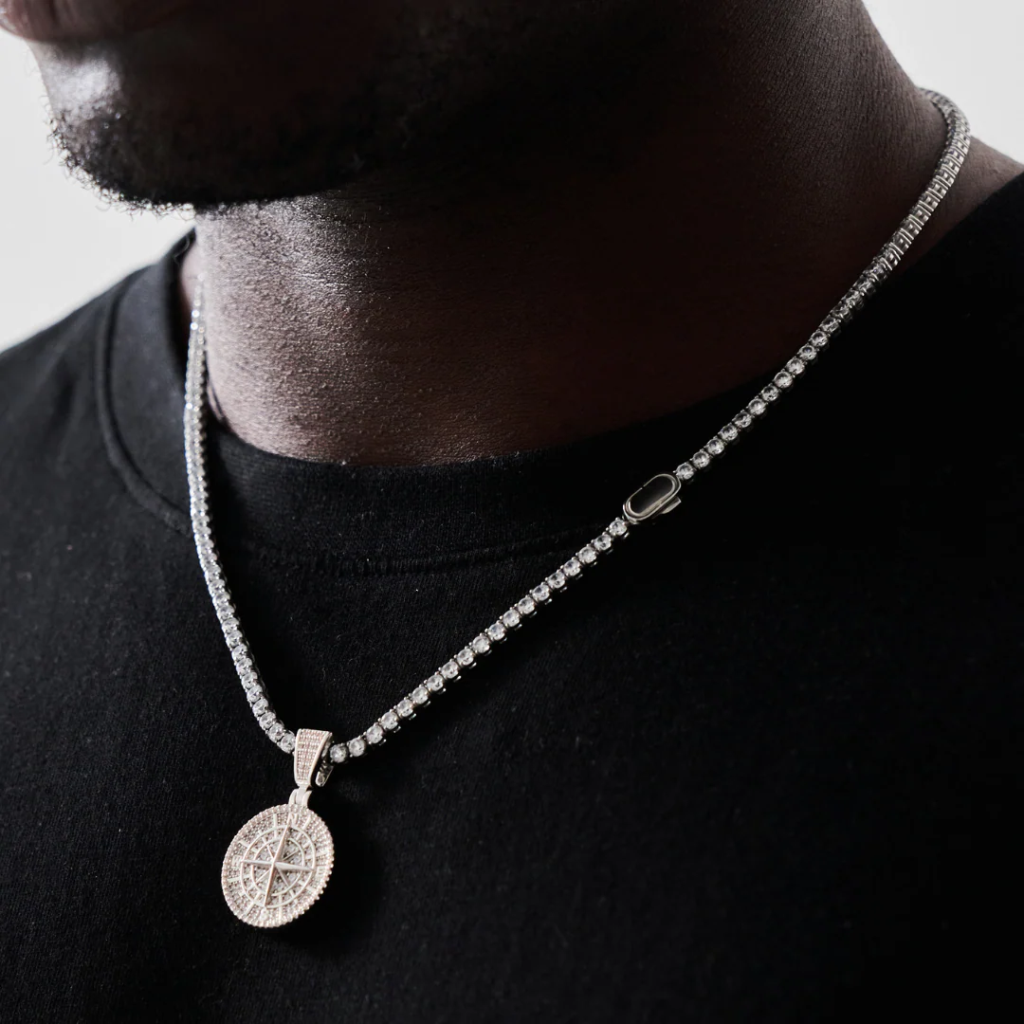
CRAFTD is a clean example of influencer energy paired with operator execution. The brand’s positioning is identity-based: confidence, self-belief, and style as a signal. In 2026 DTC, identity branding remains powerful—but only when the fundamentals work: product quality, fulfillment, returns, and customer experience.
CRAFTD also shows how men’s lifestyle commerce thrives with strong creative direction and consistent messaging. It’s not trying to be everything; it’s trying to be unmistakably itself.
Why this works (and how to use it)
- Use identity-based positioning (“who this is for”) rather than feature lists.
- Keep creative consistent across paid social, email, and product pages.
- Build a repeatable launch system: new drops, bundles, and giftable moments.
10. Djerf Avenue
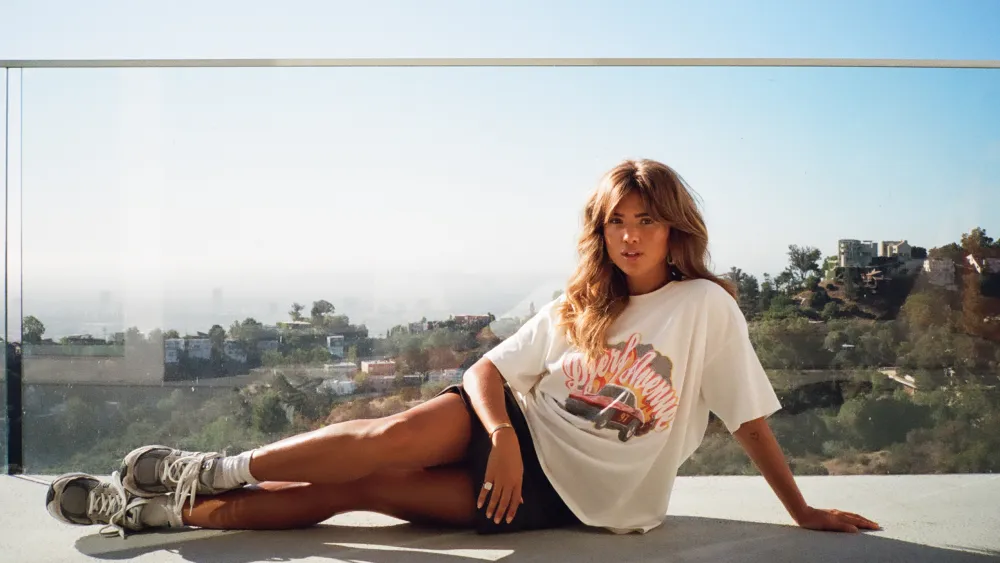
Djerf Avenue is the slow-hype blueprint. The brand’s aesthetic is calm, consistent, and deeply recognizable—less “trend of the week,” more “uniform.” In 2026, that consistency is a competitive advantage because attention is expensive and audiences are exhausted by constant reinvention.
It’s also a reminder that “premium” is a behavior, not a price point. Premium means predictable quality, cohesive styling, and customer experience that feels intentional.
Why this works (and how to use it)
- Build a recognizable aesthetic that doesn’t depend on novelty.
- Prioritize quality signals: materials, fit notes, care, and styling guidance.
- Don’t over-expand categories; let the brand breathe.
The 2026 patterns across these brands
Here’s what keeps showing up when influencer-founded brands become durable businesses:
- Tighter assortments, stronger heroes: fewer launches that matter more.
- Content and commerce are fused: product is designed to be shown, not just used.
- Community isn’t a slogan: feedback loops shape product decisions.
- Trust is a growth lever: rights, transparency, and credibility are now performance assets.
- Operators win: the creator starts the engine; operations keep it running.
What this means if you’re building (or marketing) a creator-led brand in 2026
First, attention is no longer the hard part; conversion and retention are. A brand can go viral and still fail if it can’t deliver consistent quality and repeat reasons to buy. Second, distribution is diversified: social commerce, retail, email, and community channels all matter, and the best brands are building mixes that survive algorithm changes.
Finally, the creator economy is maturing. The next wave of “influencer-founded” winners will look less like one-person hype machines and more like companies with product discipline, brand safety, and a long-term point of view. The creator is still the spark—but the business has to be the fire.