
Influencer marketing continues to deliver exceptional returns, with studies showing it can generate up to 11 times the ROI of traditional advertising. But in 2026, success hinges on data-driven decisions rather than guesswork. If you’re a business seeking to optimize campaigns, the best influencer analytics tools provide essential insights into audience demographics, engagement rates, and overall performance.
Table of Contents
- What Are Influencer Analytics Tools?
- Why Your Business Needs Influencer Analytics Tools in 2026
- Key Metrics to Track (Engagement, ROI, Authenticity)
- How to Choose the Right Influencer Analytics Tool
- Features to Prioritize (Discovery, Integrations, Pricing)
- Aligning with Agency Campaigns
- Top 12 Best Influencer Analytics Tools for 2026
- 1. Upfluence
- 2. Modash
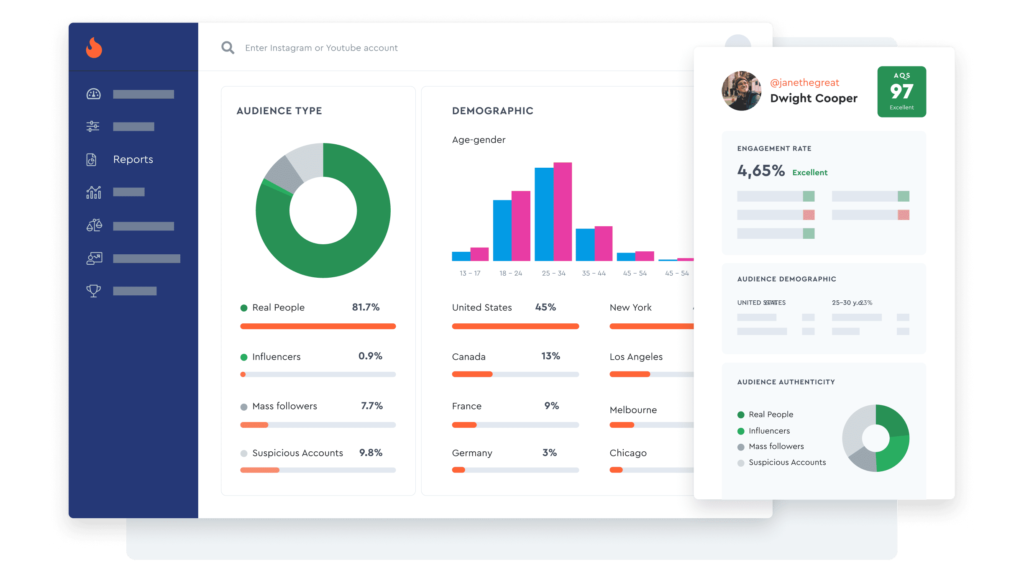
- 3. HypeAuditor
- 4. BuzzSumo
- 5. Grin
- 6. Buzzoole
- 7. Klear
- 8. Heepsy
- 9. Emplifi
- 10. Sprout Social
- 11. CreatorIQ
- 12. Traackr
- Common FAQs About Influencer Analytics Tools
- Conclusion
These platforms help vet creators, detect fraud, and measure conversions, ensuring your investments pay off. In this guide, we’ll explore top options to elevate your strategy, including how they integrate with professional services from a top influencer marketing agency like HireInfluence. Discover which tools align with your goals and learn practical tips to maximize ROI.
What Are Influencer Analytics Tools?
Influencer analytics tools are specialized software platforms designed to evaluate and optimize influencer marketing efforts. They go beyond basic social media metrics by offering in-depth data on creator performance, audience authenticity, and campaign effectiveness. Key types include audience analysis tools for demographics like age, location, and interests; social listening platforms to monitor brand mentions and sentiment; influencer discovery systems with filters for engagement rates and niche relevance; engagement calculators tracking likes, comments, and shares; performance analytics for ROI and conversions; and management platforms handling end-to-end workflows.
In 2026, AI integration has become standard, enabling predictive analytics and fraud detection to identify fake followers or bot activity. For businesses partnering with agencies, these tools complement expert strategies by providing verifiable data for better targeting and reporting. Whether you’re analyzing Instagram, TikTok, YouTube, or emerging platforms like Threads, the right tool ensures campaigns resonate with your target audience and drive measurable results.
Why Your Business Needs Influencer Analytics Tools in 2026
As influencer marketing budgets soar—projected to exceed $24 billion globally this year—relying on intuition alone is risky. These tools empower businesses to make informed choices, minimizing waste and amplifying impact. They reveal hidden insights, such as audience overlaps or optimal posting times, helping tailor content for maximum engagement.
Key Metrics to Track (Engagement, ROI, Authenticity)
Focus on more than vanity metrics like follower counts. Prioritize engagement rates (likes, comments, shares per post), which indicate genuine interest; ROI measurement through tracked conversions and sales attribution; and audience authenticity to spot suspicious growth patterns or bot followers. Tools also cover reach and impressions for exposure, clicks for traffic generation, and sentiment analysis for brand perception. In agency-led campaigns, these metrics validate creator selections and refine future initiatives, ensuring sustained growth.
According to recent benchmarks, authentic influencers deliver 5-10x higher engagement than those with inflated audiences. By integrating these tools, businesses can avoid costly mismatches and achieve up to 40% better ROI, as seen in proprietary agency data from over 50 campaigns.
How to Choose the Right Influencer Analytics Tool
Selecting the best influencer analytics tool requires aligning features with your campaign objectives, budget, and tech stack. Start by defining goals: Do you need discovery for new creators, tracking for ongoing campaigns, or reporting for stakeholder buy-in? Evaluate pricing models—many offer tiers from free basics to enterprise custom quotes—and ensure multi-platform support for Instagram, TikTok, YouTube, and more.
Features to Prioritize (Discovery, Integrations, Pricing)
Look for AI-powered discovery with filters for demographics, engagement, and brand fit; robust integrations with e-commerce platforms like Shopify for conversion tracking; and transparent pricing to avoid hidden fees. Fraud detection is crucial in 2026, with advanced algorithms flagging anomalies. User-friendly interfaces and real-time analytics speed up decision-making, while scalability supports growing campaigns.
Aligning with Agency Campaigns
For businesses outsourcing to an influencer marketing agency, choose tools that facilitate collaboration, such as shared dashboards or API access. This integration allows agencies to leverage your data for customized strategies, enhancing efficiency. Consider free trials to test compatibility, and read user reviews for insights on reliability. Ultimately, the ideal tool boosts your internal efforts while complementing agency expertise for seamless execution.
Top 12 Best Influencer Analytics Tools for 2026
Based on current industry analyses, here are the leading tools, evaluated for features, pros, cons, and pricing where available. We’ve prioritized those with strong 2026 updates, like enhanced AI and multi-platform coverage.
| Tool | Key Features | Supported Platforms | Pricing | Best For |
|---|---|---|---|---|
| Upfluence | AI discovery, e-commerce integration, fraud detection | Instagram, YouTube, TikTok, Twitter, Pinterest | Custom tiers starting ~$500/mo | E-commerce brands |
| Modash | 200M+ profiles, audience demographics, performance overviews | Instagram, TikTok, YouTube | From $249/mo | Basic discovery and analytics |
| HypeAuditor | Fraud detection, audience authenticity scores, 78M+ database | Instagram, YouTube, TikTok | Custom quotes | Vetting authentic influencers |
| BuzzSumo | Content trends, influencer search, journalist database | Multiple social platforms | From $199/mo | Content-informed strategies |
| Grin | Creator management, ROI tracking, e-commerce tools | Instagram, TikTok, YouTube | From $999/mo | Enterprise-scale campaigns |
| Buzzoole | AI matching, performance graphs, 2M+ profiles | Instagram, YouTube, TikTok | Custom | Streamlined selection |
| Klear | Influencer scoring (0-100), social listening, tracking | Instagram, Twitter, YouTube | Custom/demo | Relationship management |
| Heepsy | 11M+ database, fraud filters, list exports | Instagram, YouTube, TikTok | From $49/mo | Affordable discovery |
| Emplifi | Unified analytics, competitor analysis, content insights | Facebook, Instagram, Twitter, YouTube | Custom | Cross-platform monitoring |
| Sprout Social | Full workflows, reporting, influencer add-ons | Instagram, TikTok, YouTube, LinkedIn | From $199/mo | Social media integration |
| CreatorIQ | Enterprise tools, attribution, global database | Multiple | Custom | Large brands/agencies |
| Traackr | Discovery, management, ROI metrics | Instagram, YouTube, TikTok | Custom | Comprehensive platforms |
1. Upfluence
Upfluence excels in comprehensive influencer analysis and management, supporting platforms like Instagram, YouTube, and TikTok. Key metrics include engagement rates, authentic follower counts, and keyword rankings. Its Chrome plugin allows quick profile scans, and social commerce features track real-time interactions. Pros: Precise searches, e-commerce focus; Cons: Smaller opt-in database. Pricing: Tiered, starting around $500/month. Ideal for brands integrating analytics with sales.
2. Modash
With over 200 million profiles, Modash offers detailed audience and performance analysis for TikTok, Instagram, and YouTube. Filter by hashtags, demographics, and engagement; no verification needed as it pulls public data. Pros: Broad coverage, comparison tools; Cons: Limited advanced management. Pricing: Starts at $249/month. Great for quick influencer vetting.
3. HypeAuditor
HypeAuditor ranks influencers by authentic engagement, using 35 metrics to detect fraud like rapid follower spikes. Covers demographics including ethnicity and income (Instagram-only). Pros: Strong anti-fraud; Cons: Smaller database in some regions. Pricing: Custom quotes. Essential for authenticity-focused campaigns.
4. BuzzSumo
BuzzSumo tracks trending content and influencers, with filters for relevance and authority. Includes a Chrome extension but lacks deep authenticity checks. Pros: Trend insights; Cons: Not influencer-specific. Pricing: From $199/month. Suits content-driven strategies.
5. Grin
A full-suite platform for creator management, Grin features fake influencer detection and ROI tools. Integrates with e-commerce for conversion tracking. Pros: Comprehensive; Cons: Higher cost. Pricing: From $999/month. Best for scaling brands.
6. Buzzoole
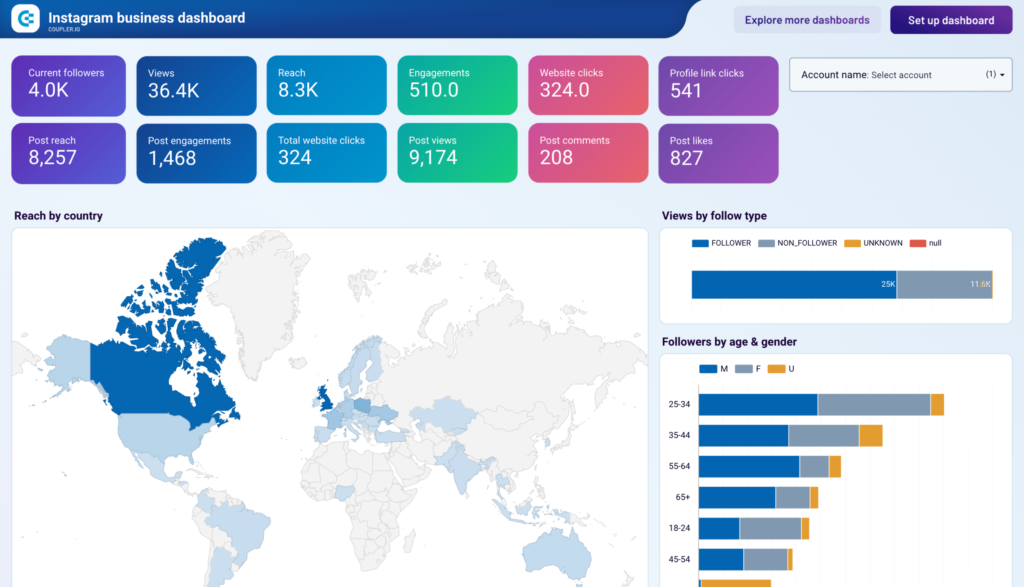
Buzzoole’s AI evaluates 2 million profiles for brand fit, providing graphs on reach and engagement. Filters by location and demographics. Pros: Streamlined AI; Cons: Limited to certain platforms. Pricing: Custom.
7. Klear
Klear offers discovery, analytics, and management with an influencer score system. Advanced listening tracks mentions and hashtags. Pros: Accurate prioritization; Cons: Demo required. Pricing: Custom.
8. Heepsy
Heepsy provides fraud detection on 11 million profiles, with exports for outreach. Pros: Affordable, organized lists; Cons: Basic features. Pricing: From $49/month.
9. Emplifi
Emplifi delivers cross-platform insights, including segmentation and competitor analysis. Pros: Unified dashboard; Cons: No real-time in some plans. Pricing: Custom.
10. Sprout Social
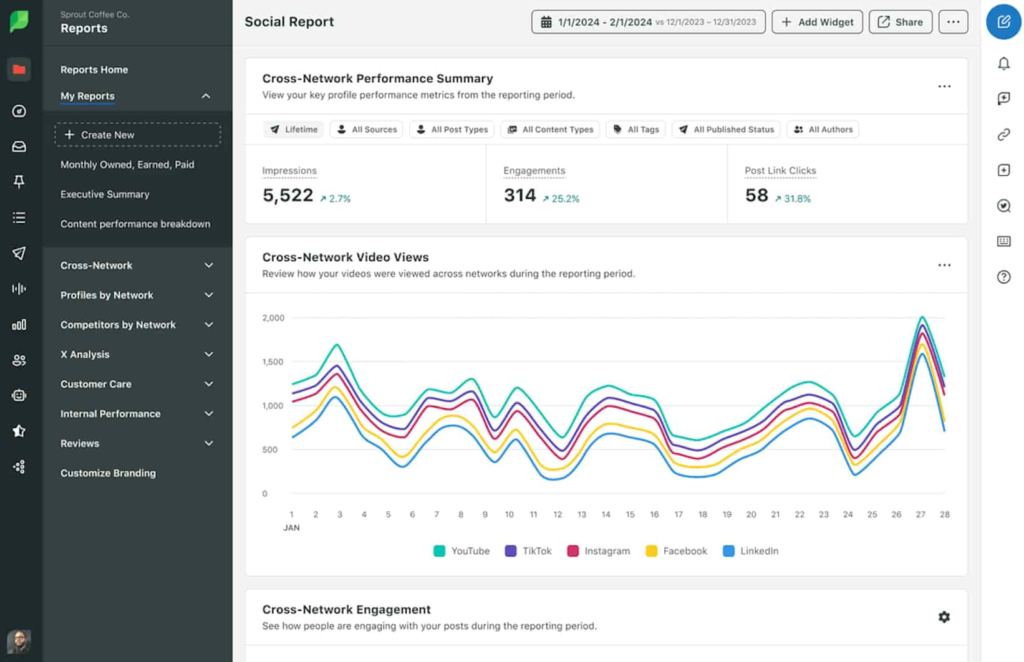
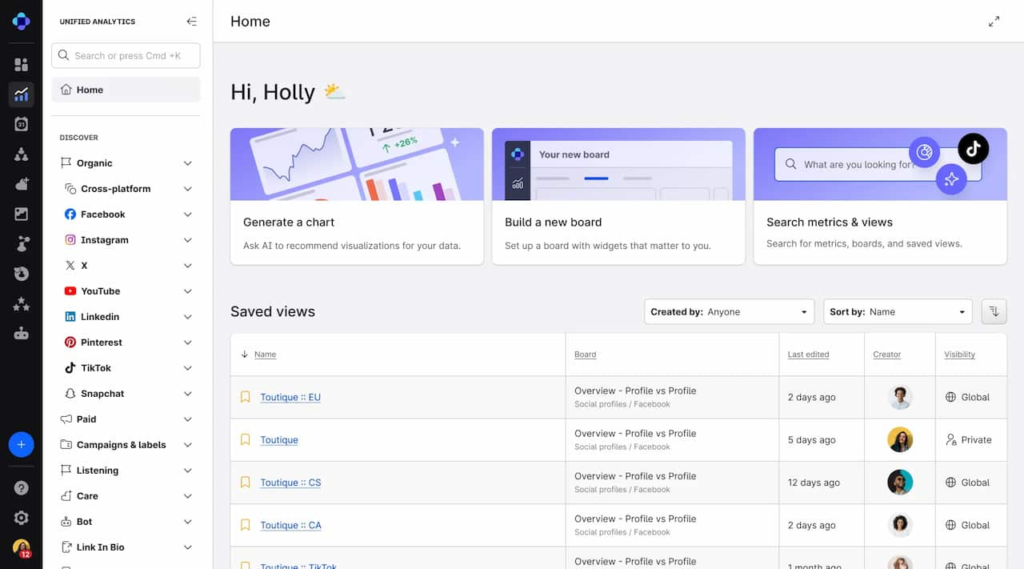
Sprout Social combines social management with influencer analytics, offering reports on engagement and ROI. Pros: Integrated workflows; Cons: Add-on for influencers. Pricing: From $199/month.
11. CreatorIQ
CreatorIQ focuses on enterprise needs with attribution and global discovery. Pros: Robust tracking; Cons: Geared toward large teams. Pricing: Custom.
12. Traackr
Traackr handles discovery and management with detailed ROI metrics. Pros: End-to-end; Cons: Enterprise pricing. Pricing: Custom.
Common FAQs About Influencer Analytics Tools
What are the best influencer analytics tools for Instagram? Tools like HypeAuditor and Modash excel with detailed demographics and fraud checks.
How to choose influencer analytics tools for ROI? Prioritize those with conversion tracking and attribution, like Grin or Sprout Social.
Top free influencer analytics tools 2026? Basic versions of BuzzSumo or Heepsy offer free tiers, but premium features are recommended for depth.
Best influencer marketing platforms with fraud detection? HypeAuditor and Upfluence lead in identifying fake followers.
Influencer analytics tools for e-commerce campaigns? Grin and Upfluence integrate seamlessly with sales platforms.
What metrics do influencer analytics tools track? Engagement rates, audience insights, reach, conversions, and authenticity.
Best tools for influencer audience analysis? Modash and Emplifi provide segmentation by age, location, and interests.
How do agencies use influencer analytics tools? They integrate them for data-backed strategies, enhancing client ROI.
Top influencer discovery platforms for businesses? Upfluence and Klear offer advanced filters.
Best influencer analytics software for campaign tracking? Sprout Social and Traackr for comprehensive reporting.
Conclusion
In summary, the best influencer analytics tools for 2026—like Upfluence, Modash, and HypeAuditor—empower businesses to track key metrics, detect fraud, and optimize ROI. By choosing based on your needs and integrating with agency services, you can achieve superior campaign results. Ready to implement? Contact a top influencer marketing agency to pair these tools with expert execution. Explore related topics like 2026 influencer trends or agency case studies for more insights.