Last updated April 1, 2026
Table of Contents
- Quick Scan: The 9 Scandals at a Glance
- 1. Fyre Festival
- 2. David Dobrik and the Vlog Squad
- 3. Kris Wu
- 4. James Charles
- 5. Colleen Ballinger (“Miranda Sings”)
- 6. Chiara Ferragni “Pandoro Gate”
- 7. Logan Paul and CryptoZoo
- 8. Danielle Bernstein (WeWoreWhat) and Copying Allegations
- 9. Chrissy Teigen and Cyberbullying Backlash
- Brand-Safety Playbook for 2026
- Risk Signals Checklist (Use Before You Sign)
- Contract Clauses Brands Now Treat as Non-Negotiable
- Pre-Launch “Proof Packet” (One Page Your Legal/PR Team Will Love)
Influencer campaigns can turn into headline risk faster than most brands can publish a statement. The last decade proved that reach doesn’t equal reliability, and a creator’s personal choices can become a partner’s crisis by association.
In 2026, the stakes are higher because creator deals are more integrated into paid media, affiliate pipelines, and product launches. Platforms are quicker to pause monetization or limit visibility when controversy escalates.
Regulators are also paying closer attention to deceptive promotions, especially when money, charity claims, or vulnerable audiences are involved. The result is that “viral” can feel like a growth strategy until it becomes a liability. What makes these scandals lasting is not only the behavior itself, but how rapidly trust collapses once receipts spread.
Brands don’t just lose a campaign; they lose time, budget, and credibility with their customers. The scandals below are reminders that creator selection is a business decision, not just a creative one. If you’re building partnerships at scale, working with a top influencer marketing agency can help you formalize vetting, contracts, and crisis playbooks before problems surface (best influencer marketing agency).
Finding the right creators is one part of the equation. Building a program that performs at enterprise scale, with proper vetting, FTC compliance, multi-platform execution, and attribution that holds up in a boardroom, is another. HireInfluence has been running influencer campaigns for brands like Microsoft, McDonald’s, Grammarly, and Ricola since 2011. If you’re evaluating agency partners for an upcoming campaign, start the conversation here.
Quick Scan: The 9 Scandals at a Glance
| Scandal | Primary risk | What brands learned (short version) |
|---|---|---|
| Fyre Festival | Deceptive hype + operational failure | Verify claims before amplification |
| David Dobrik | Safety, consent, workplace culture | Contracts can’t fix culture risk |
| Kris Wu | Criminal conduct | “Brand fit” includes ethics and accountability |
| James Charles | Inappropriate messaging allegations | Monetization and partnerships can evaporate overnight |
| Colleen Ballinger | Audience trust + creator accountability | Parasocial dynamics raise reputational exposure |
| Chiara Ferragni | Misleading charity marketing | Transparency and documentation are non-negotiable |
| Logan Paul / CryptoZoo | Financial harm allegations | Finfluencer risk needs higher scrutiny |
| Danielle Bernstein | IP/ethics disputes | Power imbalance narratives hurt fast |
| Chrissy Teigen | Harassment and online conduct | Old posts and DMs can resurface at any time |
1. Fyre Festival
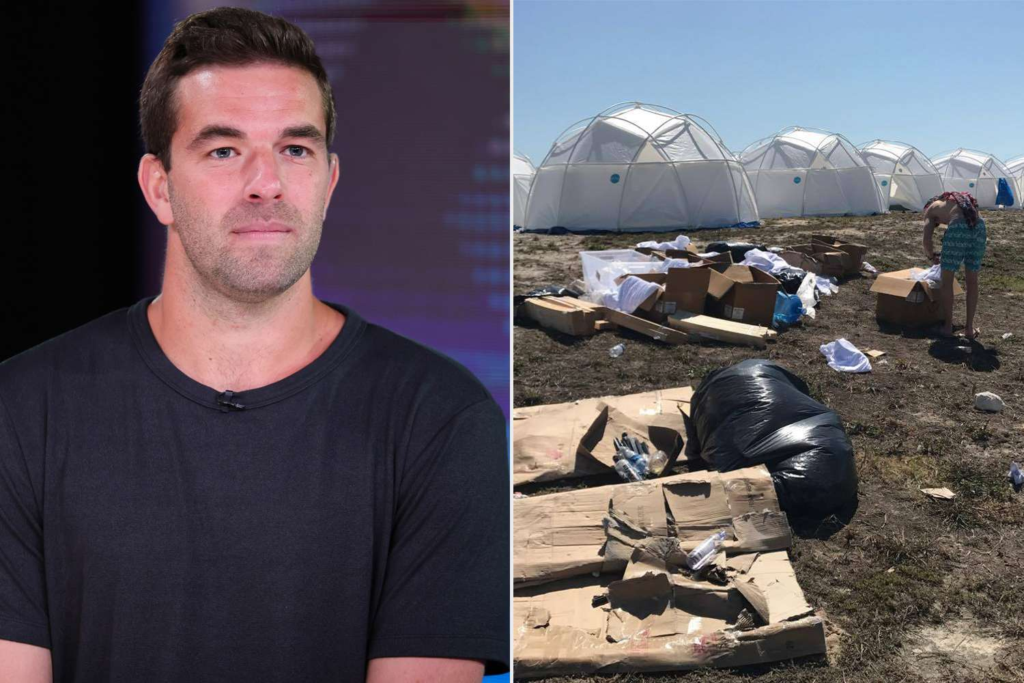
Fyre Festival remains the template for how influencer hype can outpace reality. The campaign used glossy visuals and aspirational messaging that made the event feel inevitable and exclusive. Multiple high-profile creators helped push the narrative that the festival would be luxury by default.
The actual experience, widely documented, exposed the gap between marketing and operations in a way few scandals ever do. The reputational fallout wasn’t limited to organizers; it raised questions about influencer responsibility in paid promotion.
The story stayed alive because it became a case study across marketing, culture, and law. In the years after the original collapse, continued headlines about the brand reinforced how long scandal residue can last. Updates and attempted revivals kept reminding audiences that “lessons learned” are often claimed before they are proven. For brands, the enduring takeaway is that influencer content can’t substitute for verifiable logistics.
The scandal is still referenced in 2026 whenever a campaign sells an experience that cannot be audited upfront.
| Year(s) | Category | What triggered backlash | Brand fallout | 2026 status |
|---|---|---|---|---|
| 2017 → ongoing | Event + deceptive promotion | Luxury promise vs. reality | Trust collapse + legal consequences | The brand continues to generate periodic news cycles |
2. David Dobrik and the Vlog Squad
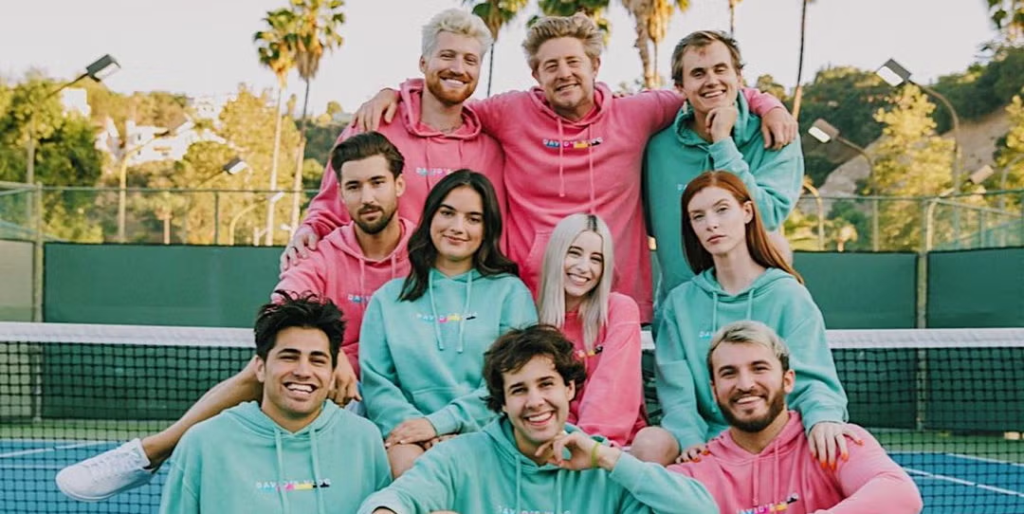
The Dobrik controversy showed how quickly “group content” can become a shared liability. Allegations about unsafe environments and consent-related issues created immediate pressure on brands attached to the creator ecosystem.
Sponsors often evaluate a single face, but the audience judges the entire entourage and production culture. Once public narratives formed, individual explanations struggled to compete with investigative reporting and firsthand accounts. The scandal also highlighted how comedic framing can mask risk in high-energy formats. Many brands pulled back because the situation was not a single “bad post,” but a pattern of judgment questions.
The speed of sponsor exits became part of the story, reinforcing how fragile partnerships are during public scrutiny. It also demonstrated that a creator’s apology content is not a substitute for operational safeguards. For marketers, the hard lesson is that brand safety requires looking beyond follower counts into how content is produced. The public now expects brands to anticipate foreseeable harm, not react only after headlines.
In 2026, this is still cited whenever creators build content around stunts, parties, or pressure-based participation.
| Year(s) | Category | What triggered backlash | Brand fallout | 2026 status |
|---|---|---|---|---|
| 2021 → ongoing references | Safety + misconduct allegations | Consent and workplace culture concerns | Multiple sponsors paused/ended deals | Frequently referenced as a brand-safety case |
3. Kris Wu
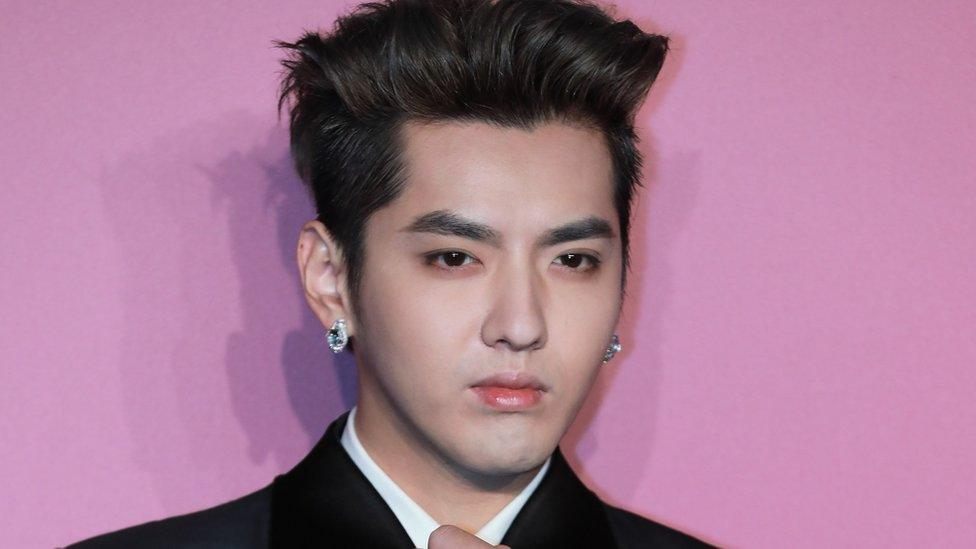
The Kris Wu case became one of the most high-profile examples of brands severing ties rapidly after serious allegations. Major luxury and global brands moved quickly to distance themselves as public pressure rose. The speed of termination announcements reflected how reputational risk can override long-term endorsement value overnight.
The story also showed how international campaigns can be disrupted across regions simultaneously, not market by market. As the legal process developed, the situation shifted from reputation management into a criminal justice outcome, which carries a different level of permanence. For brands, this is the nightmare scenario because no crisis messaging can “balance” conduct of that magnitude. It also underscored how little control sponsors have once a creator’s personal life becomes the primary headline.
In practice, brands were forced to choose between immediate distancing or being perceived as complicit. The scandal also influenced how companies structure contracts and morality clauses for celebrity creators. It reinforced a reality that is uncomfortable but necessary: partnership risk includes behavior completely outside campaign content.
In 2026, it remains a reference point for why ethics screening and early-warning monitoring matter for large endorsements.
| Year(s) | Category | What triggered backlash | Brand fallout | 2026 status |
|---|---|---|---|---|
| 2021 → present | Criminal conduct | Severe misconduct allegations → conviction | Rapid terminations by multiple brands | Legal outcome made the fallout lasting |
4. James Charles
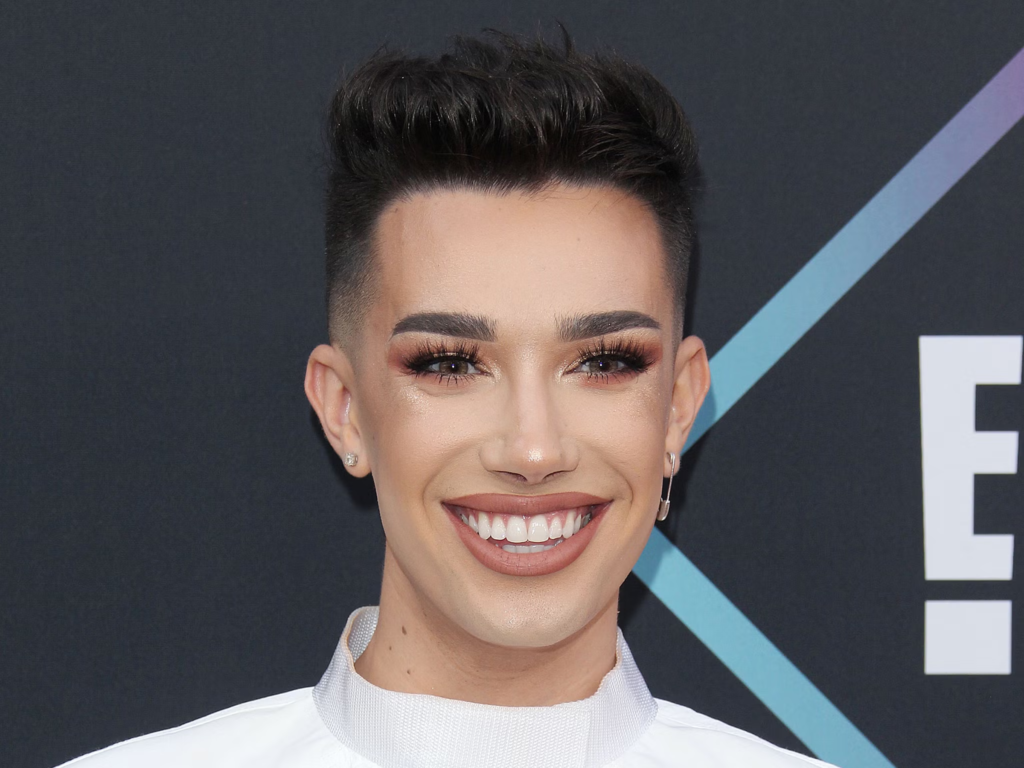
The James Charles controversy illustrated how quickly a creator’s business model can fracture when audience trust breaks. Allegations about inappropriate communications with younger people created a wave of backlash across platforms.
Even before any long-term legal outcomes were clear, the commercial impact was immediate because brand risk tolerance is low in these situations. Platform enforcement actions and partner reactions can arrive fast once a story dominates social feeds. The scandal also showed how beauty and lifestyle categories are especially sensitive to reputation shifts because fans expect authenticity and values alignment.
Collaborations that once seemed “safe” suddenly carried reputational baggage. For brands, this is a reminder that “category fit” is not the same as “risk fit.” The situation also highlighted how silence can be interpreted as avoidance, while rushed responses can create contradictions that fuel more criticism. It pushed many companies to rethink how they evaluate creators whose audience skews younger.
In 2026, the case is still referenced in conversations about creator responsibility and platform monetization leverage. The lasting lesson is that brand deals are downstream of trust, and trust can vanish faster than contracts can be renegotiated.
| Year(s) | Category | What triggered backlash | Brand fallout | 2026 status |
|---|---|---|---|---|
| 2021 → ongoing references | Conduct allegations | Inappropriate messaging allegations | Monetization and partnerships were impacted | Often cited in creator accountability debates |
5. Colleen Ballinger (“Miranda Sings”)
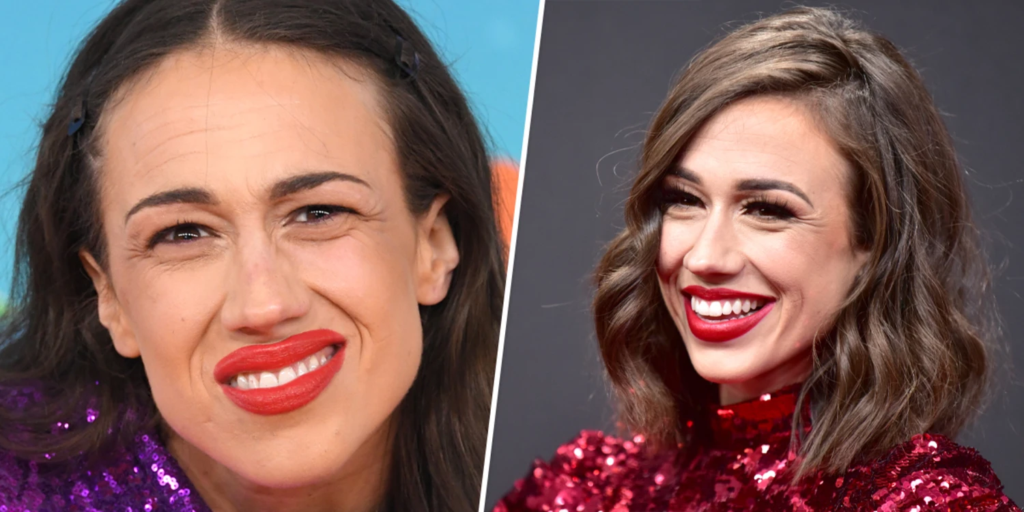
Colleen Ballinger’s scandal became a defining creator-economy moment because it centered on fan relationships and accountability. Allegations about inappropriate interactions with fans, including younger fans, triggered intense scrutiny of her past behavior and community management.
The backlash moved quickly because archived content, screenshots, and old interactions are easy to resurface at scale. Brands tend to avoid this category of controversy because it combines reputational risk with sensitive audience concerns.
The situation also demonstrated how a creator’s response style can shape the narrative as much as the original allegations. Once trust is questioned, audiences interpret every move as either responsibility or deflection. This scandal also reminded marketers that “family-friendly” positioning can amplify fallout when expectations are violated. Creators who built careers on relatability can face harsher judgment because the perceived betrayal feels personal to fans.
In 2026, it continues to be referenced as a warning about parasocial dynamics and boundary-setting. For brands, the key lesson is that community norms around creator conduct evolve, and yesterday’s “accepted” behavior can become today’s red flag. The broader takeaway is that brand safety is not only about posts; it’s about the relationship a creator maintains with the people who follow them.
| Year(s) | Category | What triggered backlash | Brand fallout | 2026 status |
|---|---|---|---|---|
| 2023 → ongoing references | Audience trust + conduct | Allegations about fan interactions | Reputation damage and project disruption | Still cited in creator accountability discussions |
6. Chiara Ferragni “Pandoro Gate”
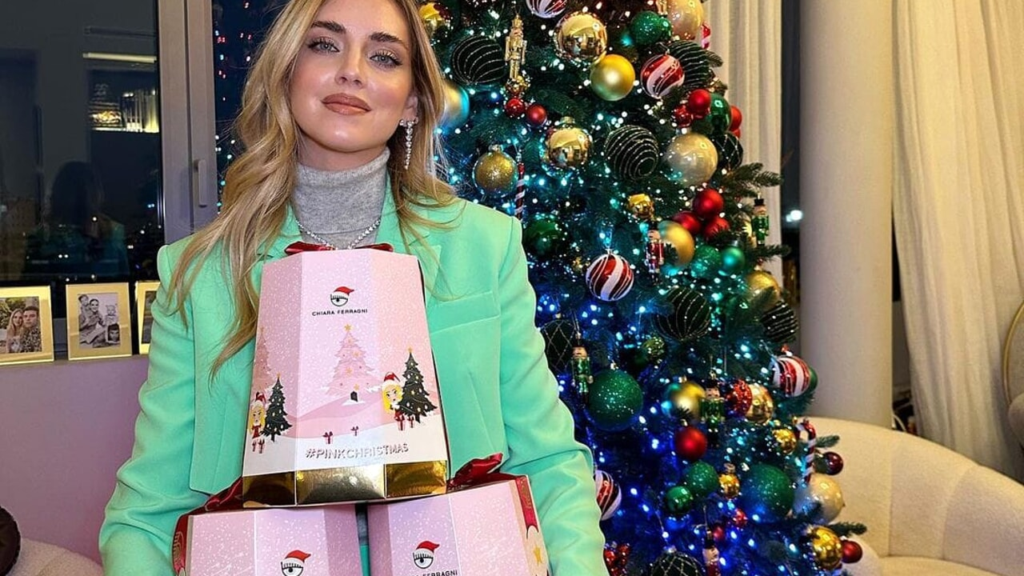
“Pandoro Gate” is one of the most relevant influencer scandals for modern brand partnerships because it centers on transparency claims. The controversy involved promotional messaging connected to charitable support, which is a high-trust category by default. Once authorities and media questioned the framing of the campaign, the reputational hit spread beyond a single post into the influencer’s broader business credibility.
Charity-linked promotions trigger stronger emotional reactions because consumers believe they are contributing to something bigger than a product. When that belief is shaken, the public often treats it as deception rather than a marketing mistake.
The scandal also showed how influencer-led brand empires can wobble when authenticity is questioned at the corporate level. Brands and partners become cautious because they don’t want to inherit a narrative about misleading messaging. Even when legal outcomes shift, trust recovery is slow because the memory of the story persists in search results and social commentary.
In 2026, this scandal is still discussed as a case study in influencer regulation and consumer protection. It also reinforced that donation claims must be documented, precise, and easy for a consumer to understand without interpretation. For marketers, the lasting lesson is that you should treat charity language like financial language: specific, verifiable, and not implied. The bigger point is that “good cause” marketing multiplies the stakes, so operational clarity must come before content.
| Year(s) | Category | What triggered backlash | Brand fallout | 2026 status |
|---|---|---|---|---|
| 2023 → 2026 updates | Misleading claims risk | Charity-linked marketing controversy | Partner hesitancy and scrutiny | Still referenced in transparency and regulation debates |
7. Logan Paul and CryptoZoo
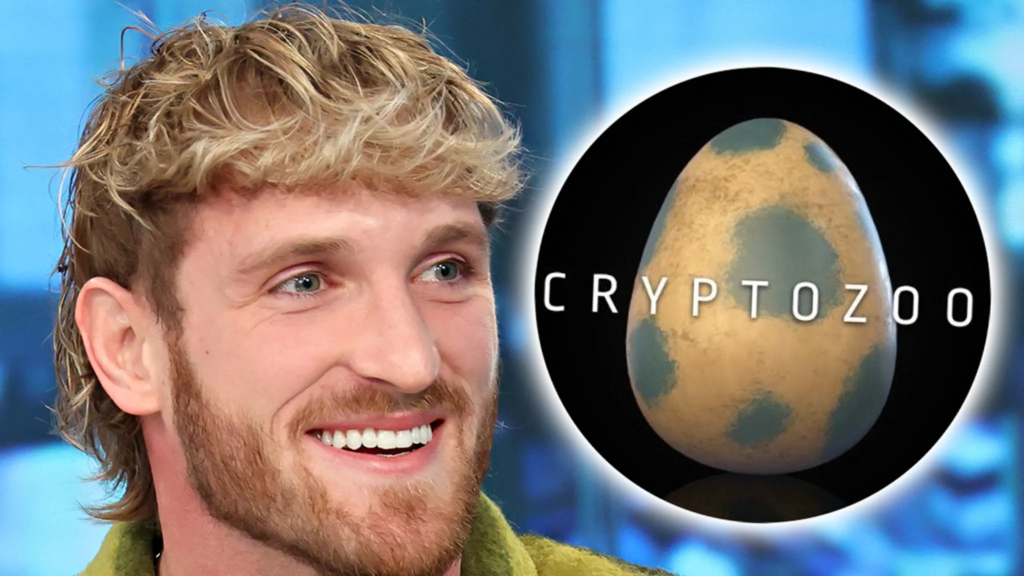
CryptoZoo became a modern cautionary tale because it sits at the intersection of fandom, finance, and hype. Unlike a typical brand misstep, financial-product controversies carry the implication of consumer loss and regulatory interest.
The scandal reinforced that creator credibility can drive purchasing decisions even when audiences do not fully understand the product risk. Once accusations and lawsuits circulate, the story becomes about accountability rather than entertainment.
Brands in adjacent categories often retreat quickly because audiences connect “crypto scandal” to broader trustworthiness. The case also illustrated how complex products can be marketed in simple, emotionally charged language that spreads fast and clarifications spread slowly. Even without a brand sponsor, the creator’s reputation becomes a risk factor for future partnerships across categories. For marketers, the key issue is that “finfluencer” style influence is treated differently than lifestyle promotion because the consequences are higher.
In 2026, the CryptoZoo narrative remains a benchmark in discussions about creator responsibility and consumer harm claims. It also adds pressure for brands to tighten compliance review whenever a creator talks about investments, tokens, or high-return promises. The lesson is straightforward: if money is involved, the bar for disclosures, documentation, and risk review must go up. Creators can generate trust quickly, but financial trust is fragile and expensive to rebuild.
| Year(s) | Category | What triggered backlash | Brand fallout | 2026 status |
|---|---|---|---|---|
| 2022 → 2026 references | Financial harm allegations | Crypto/NFT project controversy | High reputational risk for partners | Still cited in finfluencer risk discussions |
8. Danielle Bernstein (WeWoreWhat) and Copying Allegations
Copying allegations can be uniquely damaging because they frame the influencer as exploiting a power imbalance. In Danielle Bernstein’s case, the controversy gained traction because it echoed earlier criticisms about “borrowing” ideas from smaller designers. When a well-known creator is accused of replicating a design, the conversation quickly shifts from aesthetics to ethics.
Audiences tend to side with smaller brands because the stakes feel existential for them. The scandal also demonstrates how receipts matter in fashion disputes, including timelines, DMs, and product launches. Even if a creator disputes the claim, public sentiment can lock into a narrative before the facts are fully understood. Brands in fashion and lifestyle are especially vulnerable here because their equity depends on originality and taste. The episode also highlights how “inspiration” can be interpreted as appropriation when the influencer holds the larger platform and the larger distribution.
In 2026, IP and originality debates are even sharper because creators launch products faster and audiences can compare designs instantly. For marketers, the lesson is that collaborations with creator-owned brands require additional diligence, not less. The reputational risk is not only the allegation itself, but the perception that the brand endorsed unfair behavior. The broader takeaway is that brand safety includes business ethics and how a creator treats smaller players in the ecosystem.
| Year(s) | Category | What triggered backlash | Brand fallout | 2026 status |
|---|---|---|---|---|
| 2020s → ongoing | Ethics + IP dispute | Claims of copying smaller designers | Reputation risk in fashion partnerships | Continues to be referenced in creator-brand ethics debates |
9. Chrissy Teigen and Cyberbullying Backlash
Chrissy Teigen’s backlash is a reminder that influencer scandals are not always about ads or products. In this case, the controversy centered on how a public figure communicated online and how that conduct was perceived over time.
Public criticism intensified when past messages and interactions resurfaced and were discussed widely. The situation shows how internet history can function like a delayed reputational audit. Brands watch these moments closely because they signal whether a partner’s tone aligns with the brand’s values. Even when apologies happen, the public judges sincerity and consistency across future behavior. The scandal also highlights how quickly a brand can become collateral damage when a spokesperson becomes the story.
In 2026, social platforms make resurfacing old content easier, and audiences are more willing to organize backlash campaigns. This type of controversy tends to spread beyond a single fandom and into mainstream outlets, which increases business risk.
For marketers, the biggest lesson is that “personal brand” behavior is part of partnership risk, even if it is unrelated to the campaign. It also suggests that a creator’s comment style and conflict behavior should be evaluated like any other public-facing asset. The long-term takeaway is that online conduct scandals linger because they are searchable, shareable, and emotionally sticky.
| Year(s) | Category | What triggered backlash | Brand fallout | 2026 status |
|---|---|---|---|---|
| 2021 → ongoing references | Online conduct | Harassment/cyberbullying allegations | Reputation pressure and partner sensitivity | Still referenced in “past posts resurface” narratives |
Brand-Safety Playbook for 2026
Scandals will keep happening because creator economies reward speed, novelty, and escalation. Brands don’t need to eliminate risk, but they do need to price it, manage it, and document it.
In 2026, brand safety is less about “avoiding controversial people” and more about building a repeatable system that holds up under scrutiny. The most resilient programs treat creators like media partners with compliance expectations, not like spontaneous friends of the brand. That means every campaign has a paper trail: disclosures, approvals, usage rights, and payment logic that can be defended later. It also means pre-defining what counts as a breach, so teams don’t debate morality clauses during a crisis.
Monitoring matters, but monitoring without response protocols just gives you anxiety faster. If a creator’s content relies on shock, pranks, or financial hype, your safeguards should be stricter, not looser. A well-run influencer program can move fast and stay safe if guardrails are designed upfront. Many brands outsource this because building the system in-house takes time, and a best influencer marketing agency already has the workflows, tooling, and playbooks. The goal isn’t to “never get criticized”; the goal is to avoid preventable damage, campaign disruption, and legal exposure.
Risk Signals Checklist (Use Before You Sign)
- Claims risk: charity tie-ins, health/beauty “results,” financial upside, “guaranteed” outcomes
- Audience risk: heavy teen/minor skew, parasocial dynamics, paywalled fan access
- Format risk: pranks, stunts, “social experiments,” live events without professional producers
- History risk: repeated controversies, pattern of defensive responses, collaborator fallout
- Ops risk: unclear deliverables, vague timelines, no content approval steps
Contract Clauses Brands Now Treat as Non-Negotiable
| Clause | What it prevents | Practical note |
|---|---|---|
| Morality / conduct trigger | Being trapped in a scandal cycle | Define triggers (credible allegations, platform enforcement, arrest, etc.) |
| Disclosure compliance | FTC/consumer enforcement + backlash | Require disclosure language and platform-native tools |
| Content approval + kill switch | Brand message drift | Set response SLAs and escalation owners |
| Usage rights boundaries | Long-tail reputational association | Limit term, channels, and whitelisting permissions |
| Substitution / cancellation | Campaign collapse after demonetization | Pre-approve backup creators and refund logic |
Pre-Launch “Proof Packet” (One Page Your Legal/PR Team Will Love)
- Screenshot of agreed disclosure language
- Creator’s deliverables list + dates + formats
- Approval workflow (who signs off and how fast)
- Usage rights summary (term, channel, paid amplification rules)
- Crisis contact chain (creator rep + brand owner + agency owner)
Sources:
[1] https://www.vanityfair.com/style/2018/03/fyre-festival-billy-mcfarland-pleads-guilty
[2] https://www.reuters.com/world/china-sentences-canadian-pop-singer-kris-wu-13-years-jail-rape-2022-11-25/
[3] https://www.theguardian.com/fashion/2021/apr/20/youtube-james-charles-demonetised-allegations-sexting-underage-minors
[4] https://www.businessinsider.com/danielle-bernstein-controversies-timeline-copying-designers-lawsuits-covid-19-2020-10
[5] https://chrissyteigen.medium.com/hi-again-3bb3faffa76d
[6] https://nymag.com/intelligencer/2018/06/what-happened-at-tanacon.html
[7] https://www.justice.gov/usao-ma/pr/architect-nationwide-college-admissions-scheme-sentenced-more-three-years-prison
[8] https://time.com/5551886/sephora-cancels-olivia-jade-partnership/
[9] https://www.theatlantic.com/technology/archive/2019/06/was-viral-proposal-staged/592141/
[10] https://www.businessinsider.com/vlog-squad-durte-dom-rape-allegation-david-dobrik-zeglaitis-video-2021-3