
Influencer marketing remains a dynamic sector where costs shift based on emerging platforms and audience behaviors. Brands face varying expenses influenced by platform algorithms and content formats. Payment structures range from per-post fees to comprehensive campaign deals without fixed benchmarks.
Table of Contents
- For Brands: What You Should Know About the Cost of Influencer Marketing – Your Questions Answered
- How Much Does The Typical Influencer Marketing Campaign Cost?
- What Are The Standard Influencer Rates?
- Do Micro Influencers Cost Less Than A Macro Instagram Influencer?
- Should I Invest in Instagram Influencer Marketing?
- What Should I Factor Into My Instagram Influencer Marketing Costs?
- How Can I Avoid Influencer Marketing Fraud?
- How Can I Find The Best Social Media Influencer For My Campaign?
- Is Social Media The Only Place Influencers Promote Brands?
- Should I Negotiate A Price Per Post With An Influencer?
- For Influencers: What You Need to Know About the Price of Influencer Marketing
- How Much Does An Influencer Get Paid?
- How Do You Know If You Are Getting A Fair Rate For An Influencer Marketing Campaign?
- Can an Influencer Charge More for Planning the Influencer Campaign?
- What Should An Influencer Charge Per Post?
- As An Influencer, Should You Charge Per Social Media Channel?
- How Can An Influencer Connect With Brands Looking To Invest In Influencer Marketing Campaigns?
- How Long Is The Typical Social Media Influencer Marketing Campaign?
- What Big Brands Pay For Influencer Marketing?
- What Influencers Make The Most Money?
- What Happens If An Influencer Feels Like The Brand Has Changed The Scope Of The Campaign?
- How Can Influencers Connect With High Paying Brands?
- Do Influencer Marketing Agencies Take A Cut Of The Influencer Marketing Budget?
- How Do Influencer Marketing Agencies Connect The Right Influencers To The Right Brands?
- Influencer Marketing Agencies: Streamline Your Process, Increase Your Profits
The industry has matured since its early days, yet pricing lacks the stability seen in traditional advertising. Social media’s rapid changes mean influencer demand can spike or drop quickly. This volatility leads to wide price swings in collaborations. Brands must weigh the risk of partnering with creators who might face backlash later. Despite these challenges, effective strategies drive strong brand loyalty and sales growth.
Campaigns enhance awareness and reshape perceptions when executed well. Pricing depends on the chosen platform, such as TikTok or Instagram. Follower counts play a role in determining fees. Target audience demographics affect overall costs.
Campaign duration—short-term or ongoing—impacts budgeting. Larger follower bases generally command higher rates. Macro creators with over a million followers charge premiums compared to smaller ones. Nano influencers, with 1,000 to 10,000 followers, offer more affordable options. Engagement rates often justify higher fees for niche creators. Brands adjust budgets to match desired reach and interaction levels. Performance metrics increasingly tie into compensation models.
| Influencer Tier | Follower Range | Average Cost per Post (USD) |
|---|---|---|
| Nano | 1,000–10,000 | $50–$800 |
| Micro | 10,000–50,000 | $500–$3,000 |
| Mid-tier | 50,000–500,000 | $10,000–$30,000 |
| Macro | 500,000–1,000,000 | $30,000–$75,000 |
| Mega | 1,000,000+ | $75,000–$500,000+ |
Inflation has pushed rates up 15-20% since 2024. TikTok rates rose 25-30% due to new monetization features. Engagement-based pricing now dominates, with 67% of brands prioritizing metrics over followers. Hybrid models combining flat fees and commissions share risks effectively. AI tools help track ROI more accurately. Global market value exceeds $32 billion. US spending grows 15.7% annually.
Micro and nano creators deliver higher engagement at lower costs. Performance pay ties compensation to conversions. Brands reallocate funds from traditional channels. Content trends like short-form video influence pricing. Platform updates reshape compensation standards. Niche focus boosts value for specific demographics. Long-term partnerships reduce per-post expenses.
Fraud detection improves with advanced analytics. Agencies streamline negotiations for fair deals. Creator economies expand with direct brand tools. Viral potential on platforms like TikTok adds premium. Budgets surge as 74% of marketers increase spending. CPM dropped 42% for better efficiency.
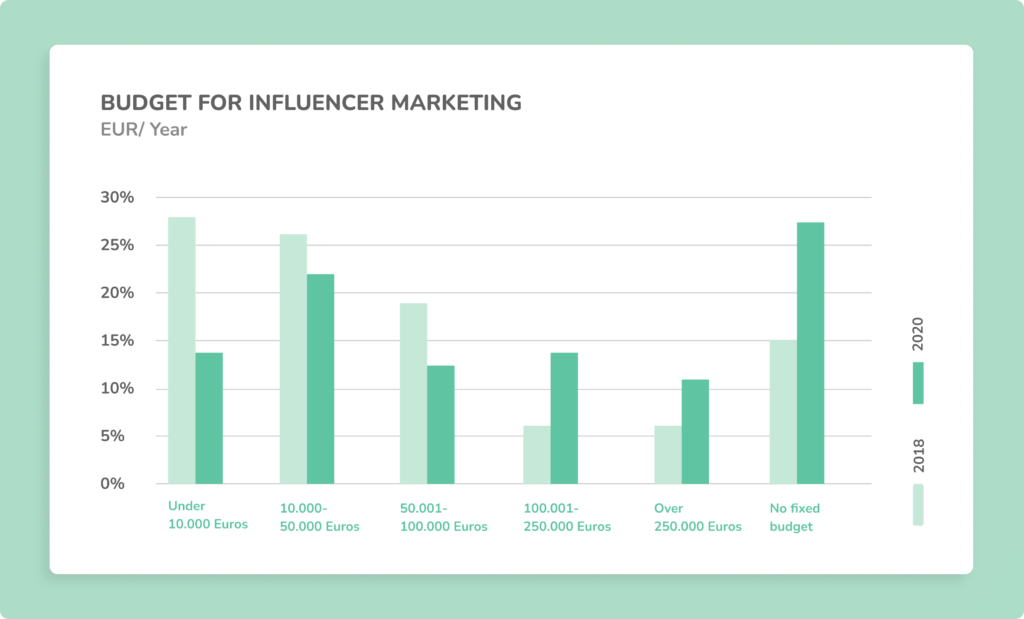
For Brands: What You Should Know About the Cost of Influencer Marketing – Your Questions Answered
Brands frequently inquire about pricing due to the absence of uniform standards. Tracking ROI remains complex without standardized metrics. Collaborations require careful budgeting to align with goals. Agencies provide insights into campaign expenses. Variables like niche and platform complicate estimates. Negotiation flexibility exists with smaller creators.
Engagement rates justify investments in targeted audiences. Fraud risks necessitate thorough vetting. Long-term deals often yield better value. Product gifting supplements paid arrangements. Concurrent promotions add to total costs. Photo shoots inflate budgets for larger campaigns. Platform choice affects reach and fees. Audience age influences platform selection.
Viral trends on TikTok drive quick results. ROI calculations incorporate views and clicks. Contracts protect against scope changes. Background checks prevent impersonation issues. Low quotes signal potential scams. Professional management ensures reliable partnerships.
How Much Does The Typical Influencer Marketing Campaign Cost?
Determining a standard campaign cost proves challenging due to numerous factors. Brands seek clear expectations for budgeting purposes. Variables include creator tier and content complexity. Reach out to a top influencer marketing agency for tailored estimates. Audience targeting refines pricing accuracy. Short campaigns differ from extended ones. Platform-specific rates vary significantly. Niche relevance impacts overall expenses. Brand size influences negotiation power.
Performance goals shape compensation structures. Hybrid models balance upfront and backend pays. Global trends show increasing budgets. US markets see steady growth. Efficiency improvements lower CPMs. Strategic planning maximizes value. ROI focus drives investment decisions. Market maturation stabilizes some rates. Creator supply affects competition. Demand for authentic content rises. Data analytics guide cost assessments.
What Are The Standard Influencer Rates?
Rates fluctuate widely across creator types and platforms. No universal standards exist in this evolving field. Follower counts partially determine fees. Niche expertise commands premiums. Campaign type alters pricing. Brand expectations set baselines. Larger brands pay more for exclusivity. Comparable creator rates inform negotiations. Engagement metrics increasingly factor in.
Platform differences create variances. YouTube demands higher investments. TikTok offers cost-effective options. Instagram remains popular for visuals. Facebook suits broader audiences. Snapchat targets younger demographics. Rate cards provide starting points. Inflation adjusts annual figures. Trends shift toward performance pay. Agencies benchmark fair prices. Market data supports informed choices.
Do Micro Influencers Cost Less Than A Macro Instagram Influencer?
Micro creators generally charge less than macros. Fixed rates apply more to larger accounts. Flexibility characterizes smaller influencer deals. Engagement rates influence perceived value. Follower numbers set initial brackets. Platform usage affects costs. Similar creators provide rate comparisons. Instagram excels for ROI with engaged micros. Target audience alignment ensures effectiveness.
Niche focus enhances micro appeal. Cost savings come with higher interaction. Brands vet for authenticity. Performance tracking validates choices. Long-term micro partnerships build loyalty. Budget constraints favor smaller scales. Viral potential varies by size. Data shows micro superiority in engagement. Strategic selection maximizes impact. Rate negotiation room exists. Analytics confirm fit.
Should I Invest in Instagram Influencer Marketing?
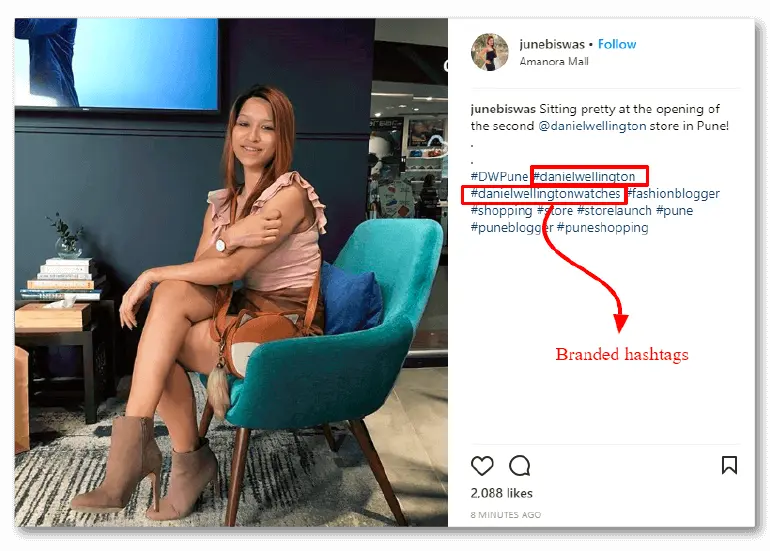
Instagram investments boost awareness effectively. Vast reach supports diverse campaigns. Younger audiences respond well. General appeal suits broad strategies. Facebook targets older groups. TikTok favors viral content. Snapchat engages Gen Z. ROI metrics justify spending.
Platform growth sustains value. Content formats evolve pricing. Engagement drives success. Brand reputation improves. Sales uplift follows strong partnerships. Audience demographics guide choices. Budget allocation prioritizes high-impact channels. Trends favor visual storytelling. Analytics track performance. Strategic fits enhance outcomes. Market data supports decisions.
What Should I Factor Into My Instagram Influencer Marketing Costs?
Post fees form the core expense. Product costs add to totals. Discount codes require tracking. Click-based pays supplement basics. View milestones trigger bonuses. Larger campaigns include production expenses. Wardrobe budgets apply to visuals. Makeup teams enhance quality. Location shoots increase outlays. Editing services polish content. Travel reimbursements occur.
Contract fees cover legalities. Agency commissions factor in. Performance incentives align goals. Usage rights extend costs. Exclusivity clauses raise prices. Analytics tools monitor spends. ROI calculations include all. Budget buffers handle overruns. Strategic planning contains expenses.
How Can I Avoid Influencer Marketing Fraud?
Due diligence uncovers creator histories. Impersonation risks demand verification. Unusually low rates warrant caution. Contract absences signal issues. Engagement audits detect bots. Follower growth patterns reveal authenticity. Platform tools assist checks. Agency partnerships reduce risks. References confirm reliability. Performance clauses protect investments.
Legal reviews safeguard agreements. Monitoring ensures compliance. Fraud trends evolve defenses. Data analytics spot anomalies. Community feedback informs choices. Transparent communications build trust. Rate benchmarks guide expectations. Vigilance prevents losses. Recovery plans mitigate impacts. Education strengthens strategies.
How Can I Find The Best Social Media Influencer For My Campaign?
Audience matching ensures relevance. Agencies suggest fits based on budgets. Goals alignment refines selections. Niche compatibility boosts effectiveness. Brand image consistency matters. Engagement rates predict success. Media value assesses worth. Follower demographics guide choices. Analytics platforms aid discovery. Vetting processes confirm quality.
Trial collaborations test fits. Feedback loops improve picks. Market knowledge informs decisions. Trend awareness enhances relevance. Partnership histories reveal patterns. Negotiation skills secure deals. Contract clarity protects interests. Performance tracking validates choices. Scalability considers growth. Relationship building sustains value.
Is Social Media The Only Place Influencers Promote Brands?
Social platforms dominate promotions. Events extend reach offline. Festivals host branded activations. Conventions feature collaborations. Business engagements leverage networks. Personal sites host endorsements. Company websites integrate campaigns. Traditional ads complement digital. Beauty brands use multi-channel. Podcasts expand audio options.
Newsletters deliver direct. Live streams engage real-time. Webinars educate audiences. Email lists target loyal. Affiliate links drive sales. Merchandise lines build equity. Collaborations span mediums. Hybrid approaches maximize exposure. Data tracks cross-channel impact. Strategies evolve with trends.
Should I Negotiate A Price Per Post With An Influencer?
Agencies limit negotiation for macros. Micros offer more flexibility. View-based pays suit some. Pricing complexity requires strategy. Performance ties adjust fees. Contracts outline terms. Scalability favors per-post. Budget constraints guide models.
Engagement guarantees add value. Niche premiums justify costs. Market rates inform talks. Relationship building aids deals. Trial terms test waters. Escalation clauses handle success. Legal advice ensures fairness. Data supports positions. Trends favor hybrids. Flexibility attracts creators. ROI focus drives choices. Long-term views reduce rates.
For Influencers: What You Need to Know About the Price of Influencer Marketing
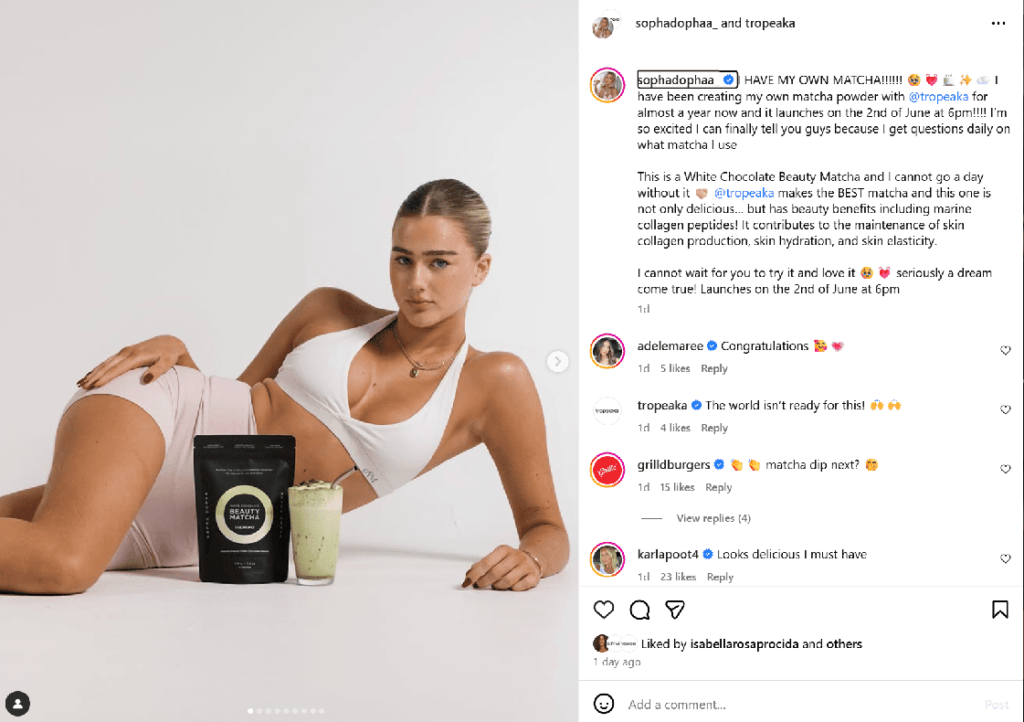
Audience size primarily dictates earnings. Larger followings attract higher pays. Niche specificity enhances value. Demographic fits boost appeal. Brands evaluate audience quality. Engagement rates justify premiums. Niche variations alter rates. Fair pricing requires market awareness. Quotes from peers inform standards. Agency representation ensures equity.
Management handles negotiations. Small budgets favor micros. Per-post pays suit beginners. Upfront deals risk non-delivery. Planning involvement increases fees. Control over image adds value. Agencies handle logistics. Content creation remains core. ROI potential sets baselines. Audience composition leverages negotiations.
How Much Does An Influencer Get Paid?

Follower metrics set base rates. Audience scale multiplies opportunities. Niche focus trumps raw numbers. Demographic precision raises value. Brands assess fit percentages. Pricing adjusts by sector. Engagement amplifies earnings. Views per content inform deals. Campaign types vary compensation. Long-term roles stabilize income.
Performance bonuses add upside. Market trends influence growth. Inflation impacts annual adjustments. Platform monetization expands options. Direct earnings complement sponsorships. Diversification secures revenue. Data analytics support claims. Negotiation skills maximize pays. Relationship networks open doors. Professionalism builds reputation.
How Do You Know If You Are Getting A Fair Rate For An Influencer Marketing Campaign?
Market comparisons ensure fairness. Multiple quotes provide benchmarks. Peer consultations reveal norms. Non-competing insights inform. Agency guidance standardizes. Management negotiates effectively. Budget scales affect strategies. Micro multiples optimize small spends. Per-post flexibility aids novices. Upfront risks require caution.
Contract terms protect interests. Performance clauses add security. Data backs rate justifications. Trends shift standards yearly. Niche premiums reward specialization. Engagement proofs strengthen positions. Legal reviews safeguard deals. Feedback improves future talks. Scalability considers growth. Equity builds long-term value.
- Getting quotes from multiple influencers
- Asking companies who are running similar campaigns (in industries they don’t compete with) what they are paying
- Working with influencers who are represented by a marketing agency and/or have professional management.
Can an Influencer Charge More for Planning the Influencer Campaign?
Planning services warrant extra fees. Standard rates exclude strategy. Image control justifies premiums. Expertise outside content raises costs. Agency support handles planning. Professionals manage details. Focus remains on creation. Collaboration fits enhance value.
Brand approaches require assessment. Skill gaps suggest outsourcing. Fee structures reflect involvement. Contracts outline scopes. Negotiation room exists. Market norms guide additions. ROI ties justify ups. Data supports value adds. Trends favor comprehensive roles. Flexibility attracts deals. Professionalism ensures payments. Growth opportunities arise.
What Should An Influencer Charge Per Post?
No averages exist across niches. ROI expectations set baselines. Niche value influences rates. Targeted audiences command more. Demographic purity leverages fees. Brands recognize fit percentages. Engagement proofs support claims. Market data informs decisions. Inflation adjusts figures. Trends shift models. Performance pay gains traction. Platform variances create ranges.
Content complexity adds premiums. Usage rights extend pays. Exclusivity clauses raise stakes. Negotiation skills secure deals. Data analytics back positions. Peer benchmarks guide. Agency insights standardize. Long-term views optimize.
As An Influencer, Should You Charge Per Social Media Channel?
Multi-platform presence warrants per-channel fees. Main accounts set core rates. Secondary growth uses campaigns. Cross-promotion builds audiences. Per-post options simplify. Audience overlaps vary platforms. Demographic targeting justifies multiples.
Brands pay for specifics. Diversification expands reach. Monetization tools aid. Trends favor bundles. Flexibility attracts deals. Data tracks impacts. Negotiation room exists. Market norms guide. ROI focus drives. Professionalism ensures. Growth strategies optimize. Relationship building sustains. Scalability considers futures.
How Can An Influencer Connect With Brands Looking To Invest In Influencer Marketing Campaigns?

Agencies match with suitable brands. Direct outreach targets indies. Local businesses offer starts. Fan mentions spark interests. Niche focus attracts fits. Engagement rates draw attention. Media kits showcase value. Networking events connect.
Online platforms facilitate. Content quality invites. Trends alignment helps. Data proofs convince. Negotiation skills close. Contracts protect. Performance delivers repeats. Growth milestones unlock. Diversification expands. Professionalism builds. Feedback improves. Scalability plans ahead.
How Long Is The Typical Social Media Influencer Marketing Campaign?
Lengths vary by goals and niches. Single posts suit tests. Ongoing segments build loyalty. Strategies dictate durations. Initial pays assess results. Success escalates fees. Contracts outline terms. Flexibility allows adjustments. Market data informs averages. Trends favor longs.
ROI ties extend. Data tracks impacts. Negotiation room exists. Budgets constrain scopes. Performance validates lengths. Growth opportunities arise. Diversification secures. Professionalism ensures. Relationship sustains. Planning optimizes.
What Big Brands Pay For Influencer Marketing?
Major companies invest heavily. Agencies facilitate large deals. Cost tracking simplifies. Multi-influencer campaigns scale. Negotiation leverages size. Powerful creators command highs. Micros receive gifting. Trips supplement pays. Products build equity. Long-term favors ambassadorships. Data guides allocations. Trends shift budgets. ROI focus drives. Market growth sustains. Efficiency improves. Strategic reallocation occurs. Performance metrics validate. Scalability considers. Professionalism builds.
What Influencers Make The Most Money?
Macros earn top dollars. Views amplify incomes. Niche commands vary. Engagement enhances. Campaign types differ. Traveling niches pay well. Business focuses reward. Audience distinctness attracts. Conversion rates justify. Market norms guide. Inflation adjusts. Trends favor niches. Data supports claims. Negotiation secures. Growth unlocks. Diversification expands. Professionalism ensures. Relationships sustain. Scalability plans.
What Happens If An Influencer Feels Like The Brand Has Changed The Scope Of The Campaign?
Scope changes trigger renegotiations. Fee increases reflect efforts. Contracts reference originals. Advocacy protects rights. Legal terms enforce. Data tracks deviations. Trends show resolutions. Fairness builds trust. Communication resolves. Professionalism maintains. Growth opportunities arise. Diversification secures. Planning prevents. Feedback improves. Scalability considers. Relationships sustain. ROI focus drives. Market knowledge informs. Negotiation skills aid. Equity ensures longevity.
How Can Influencers Connect With High Paying Brands?
Significant followings attract majors. Niche marketability draws. Engagement proves value. Agencies connect highs. Managers negotiate fairs. Milestones unlock. Data supports claims. Networking expands. Trends alignment helps. Content quality invites. Professionalism builds. Feedback improves. Growth plans ahead. Diversification secures. Scalability considers. Relationships sustain. ROI demonstrations convince. Market awareness guides. Negotiation closes. Equity fosters repeats.
Do Influencer Marketing Agencies Take A Cut Of The Influencer Marketing Budget?
Agencies claim percentages or flats. Quotes include fees. Single contacts simplify. Campaign quotes streamline. Per-post options vary. View pays adjust. Follower ties differ. Data informs models. Trends favor hybrids. Efficiency improves. Strategic value adds. Professionalism ensures. Relationships build. Scalability plans. Growth unlocks. Diversification expands. Market norms guide. Negotiation room exists. ROI focus drives. Fairness sustains.
How Do Influencer Marketing Agencies Connect The Right Influencers To The Right Brands?
Product fits guide matches. Goals alignment refines. Budgets constrain options. Engagement ensures effectiveness. Value assesses worth. Followers set scales. Audience knowledge informs. Quick discernment speeds. Data drives decisions. Trends shape strategies. Niche expertise helps. Performance predicts. Scalability considers. Professionalism builds. Relationships sustain. ROI focus validates. Market insights guide. Negotiation secures. Equity fosters. Growth plans ahead.
Influencer Marketing Agencies: Streamline Your Process, Increase Your Profits
Agencies deduct portions but deliver value. Quick matches save time. Money efficiencies arise. Simultaneous campaigns simplify. Single contacts ease. Data tracks impacts. Trends inform strategies. ROI justifications strengthen. Budget forecasts improve. Negotiation expertise aids. Platform knowledge enhances. Niche insights guide. Performance metrics validate. Scalability supports growth. Professional teams handle. Creator pools expand options. Fraud protections increase. Legal safeguards protect. Market awareness builds. Long-term planning optimizes.