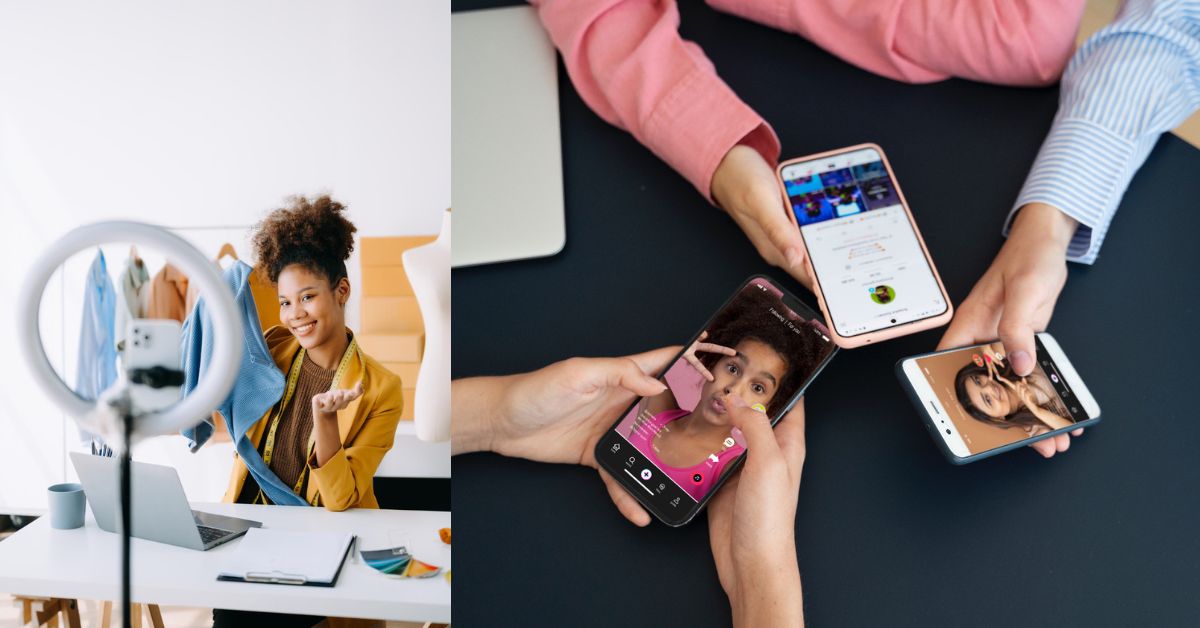
Product placement continues to evolve as a cornerstone of modern advertising strategies. Influencers integrate brands into their daily content with increasing sophistication. This integration creates authentic connections that resonate with audiences. In 2026, subtle placements dominate short-form videos and stories across platforms.
Table of Contents
- Understanding Product Placement in Influencer Content
- The Evolution of Longevity in Influencer Campaigns
- Synergies Between Traditional Product Placement and Influencer Endorsements
- Notable Campaigns Combining Endorsements and Placement
- Navigating FTC Guidelines for Disclosures
- Best Practices for Effective Integration
Brands achieve higher engagement when products appear naturally in lifestyles. Endorsements add explicit support while placements offer implicit familiarity. The combination drives both immediate sales and long-term brand recall. Micro-influencers lead in delivering seamless integrations due to their niche trust. Performance metrics now guide most placement decisions. Long-term partnerships replace one-off posts for sustained exposure.
Virtual placements gain traction in gaming and AR experiences. Authenticity remains the key differentiator in successful campaigns. Disclosures maintain transparency amid growing regulatory scrutiny. Brands balance creativity with compliance to avoid audience backlash. Effective strategies yield measurable lifts in consideration and purchase intent. Platforms algorithm changes favor organic-feeling content with products.
Creators prioritize integrations that align with their personal narratives. This alignment prevents forced appearances that reduce credibility. Data shows integrated campaigns outperform traditional ads in retention. Audiences respond better to products used in real contexts. The shift toward relevance over reach defines current approaches.
Understanding Product Placement in Influencer Content
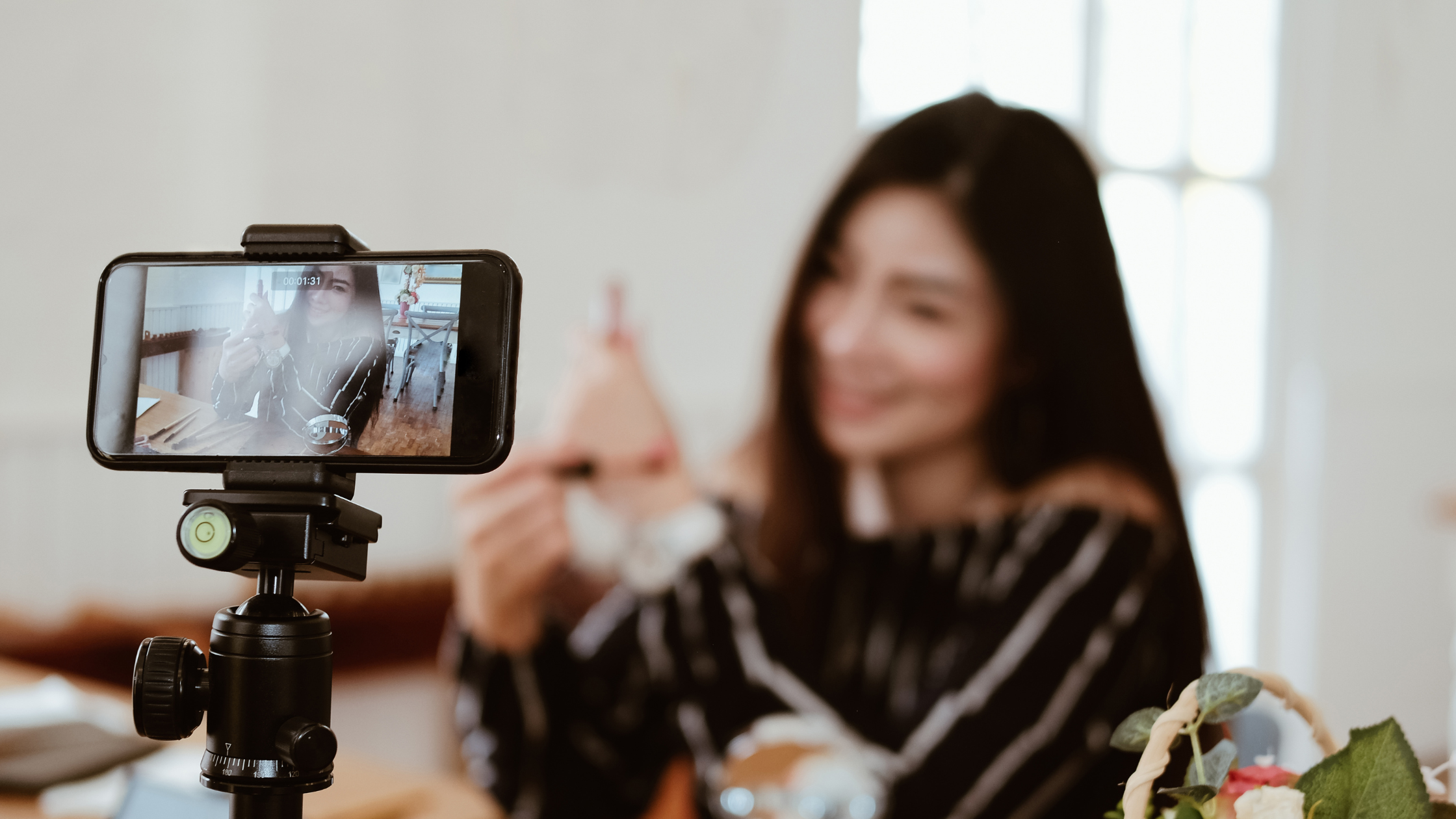
Product placement involves featuring brands within creator content for promotional effect. Influencers show items during routines without overt sales pitches. This method builds subconscious brand affinity over time. Placements appear in backgrounds or as tools in activities. Creators select products that fit their aesthetic and audience interests. Natural usage prevents content from feeling promotional. Viewers encounter brands contextually rather than through interruptions.
Short-form platforms amplify reach for these integrations. Reels and TikToks allow quick yet memorable exposures. Static images on feeds provide lingering visibility. Stories offer temporary but repeated impressions. Collaborations ensure products receive prominent yet organic positioning. Stylists coordinate outfits to highlight apparel seamlessly. Beauty creators demonstrate items through application sequences. Fitness influencers incorporate gear into workout demonstrations.
Travel content features luggage or accessories in real settings. Food placements occur during meal preparations or reviews. Gaming streams display peripherals in active use. The goal centers on immersion rather than announcement. Audiences accept placements when they enhance rather than disrupt narratives. Brands benefit from repeated views as content circulates. Algorithm boosts favor videos with high watch time from engaging integrations.
The Evolution of Longevity in Influencer Campaigns
Influencer content now achieves greater persistence than earlier assumptions suggested. Evergreen videos on YouTube accumulate views over years. Searchable TikToks surface long after initial posting. Saved Reels extend exposure through user collections. Reposts and shares keep placements circulating indefinitely. Creators maintain archives rather than deleting sponsored material.
Algorithm changes prioritize quality over recency in recommendations. High-engagement posts gain ongoing visibility. Series formats allow repeated brand appearances across episodes. Followers rewatch favorite content featuring familiar products. Cross-platform sharing multiplies lifespan across ecosystems. SEO optimization helps posts rank in external searches. Hashtags organize content for future discovery. Collaborations with established creators ensure sustained traffic. Data analytics track performance months after launch.
Brands negotiate rights for prolonged use of materials. Remixes and duets create derivative content with original placements. Community discussions reference past integrations repeatedly. Viral moments preserve exposures in cultural memory. Platforms introduce libraries for organized content access. This shift equalizes influencer reach with traditional media endurance.
| Aspect | Traditional Media Placement | Influencer Content Placement |
|---|---|---|
| Initial Exposure | Fixed release schedule | Rapid launch and viral potential |
| Long-Term Reach | Enduring rewatches | Algorithm-driven rediscovery |
| Cost Structure | One-time payment | Performance-based options |
| Audience Interaction | Passive viewing | Active engagement and sharing |
Synergies Between Traditional Product Placement and Influencer Endorsements
Traditional placements in shows deliver perpetual background exposure. Influencers provide immediate spotlight and direct calls to action. Campaigns combine both for comprehensive coverage. Creators discuss show appearances to amplify visibility. Tie-ins generate buzz around media integrations. Endorsements explain product benefits missing from passive views. Quick activations address timing gaps in production cycles. Real-time responses capitalize on trending moments.
Cross-promotions link streaming content with social discussions. Influencers attend premieres wearing featured items. Behind-the-scenes shares reveal placement details. Fan challenges recreate scenes with products. Hashtag campaigns connect media and social experiences. Brands achieve layered impressions across touchpoints.
Measurement combines view counts with engagement rates. To maximize these synergies, brands frequently collaborate with a specialized influencer marketing agency like HireInfluence. Agencies coordinate multi-channel executions effectively. They secure alignments between media and creator schedules. Negotiations cover usage rights across formats. Analytics integrate data from diverse sources. Creative direction maintains consistent messaging. Risk management ensures compliant implementations.
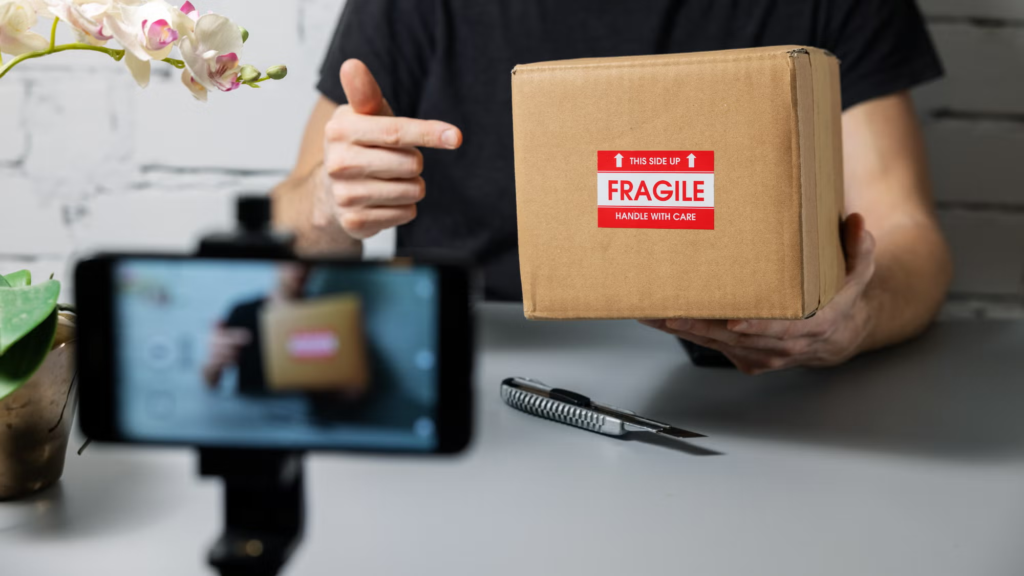
Notable Campaigns Combining Endorsements and Placement
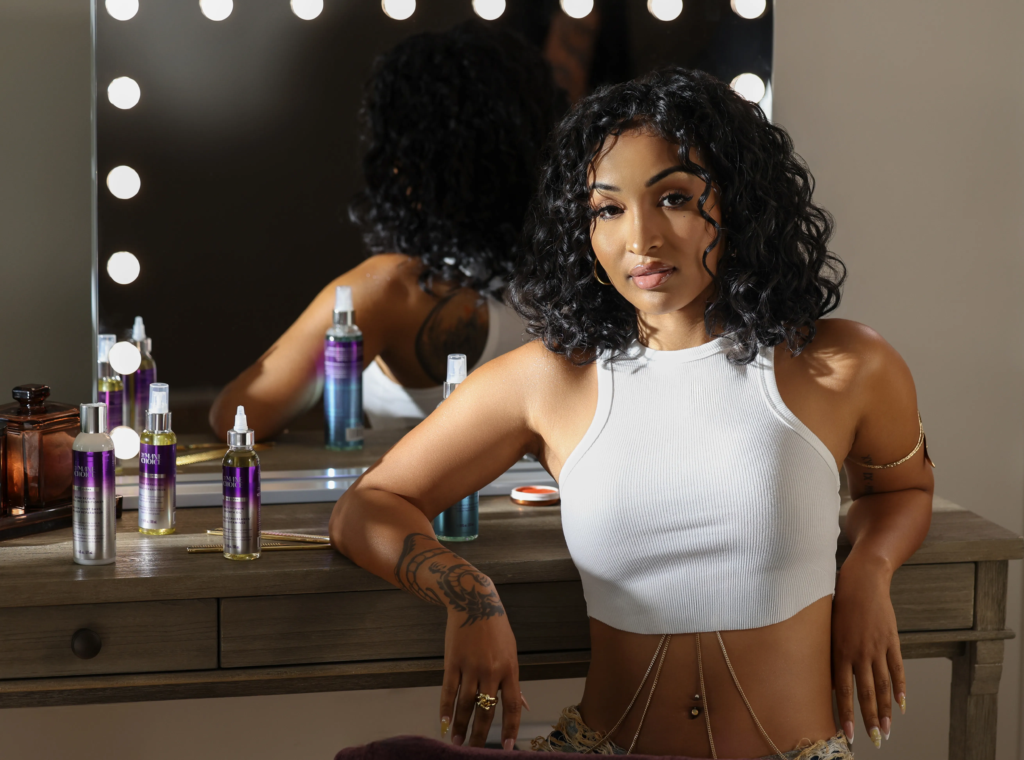
Redken partnered with Sabrina Carpenter for hair care integrations. Products appeared naturally in styling routines and performances. Content emphasized shine and manageability through usage. Videos garnered millions of views across platforms. Followers replicated looks using featured items. Sales increased following tutorial releases. The collaboration extended across tour visuals.
Placements felt authentic to her artistic identity. Engagement rates exceeded industry averages significantly. Rhode skincare leveraged micro-influencers for routine placements. Creators showed glazing fluid in morning sequences. Demonstrations highlighted glow results over time. Posts focused on hydration benefits in daily life. Partnerships spanned diverse skin types and tones. Campaigns drove record site traffic periods. User-generated content amplified original exposures.
Community discussions centered on application techniques. SKIMS utilized influencers for apparel in casual settings. Outfits appeared in everyday activities and events. Fits emphasized comfort and inclusivity messaging. Content showcased range across body types. Social conversations praised representation levels. Impressions reached hundreds of millions collectively. Conversions tracked higher from organic-feeling posts. Each campaign demonstrated seamless brand weaving.
Navigating FTC Guidelines for Disclosures
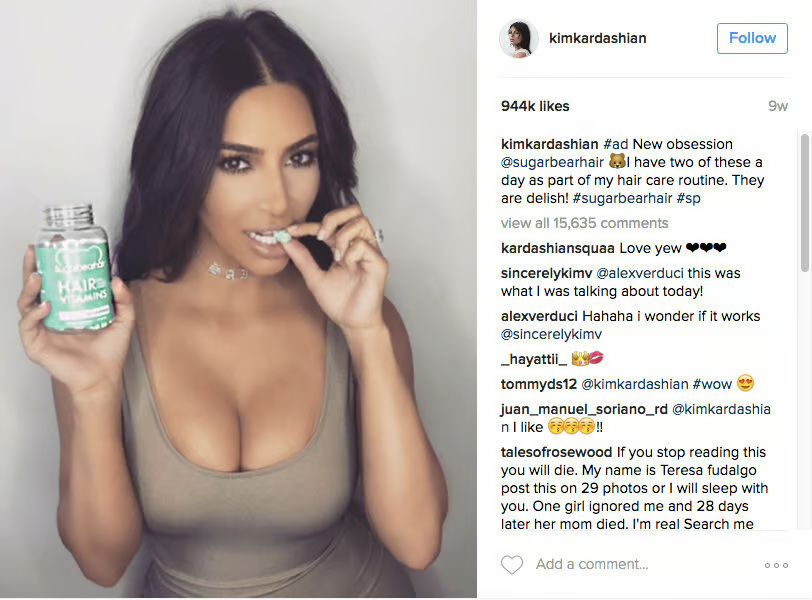
FTC rules require clear disclosure of material connections. Paid partnerships demand conspicuous indicators. Hashtags like #ad or #sponsored suffice when prominent. Platform tools provide built-in labels for transparency. Verbal mentions strengthen video disclosures.
Captions must include indicators near content start. Ambiguity risks enforcement actions. Relationships beyond payment trigger requirements. Free products given for promotion need acknowledgment. Subtle placements alone may not require tags if non-endorsement. Context determines audience perception of influence. Superimposed text ensures visibility on mobile views. Multiple placements repeat disclosures consistently. Agencies review content before publishing.
Training educates creators on current standards. Violations lead to penalties and reputation damage. Best practice exceeds minimum requirements always. Audiences value honesty in sponsored materials. Transparent posts often perform better long-term. Guidelines updated in 2023 remain the active framework. Ongoing education prevents common pitfalls.
Best Practices for Effective Integration
Align products with creator values and audience expectations. Develop creative briefs that allow authentic expression. Test concepts with target demographics early. Monitor performance metrics throughout campaign duration. Adjust placements based on real-time data insights. Encourage natural dialogue around product benefits. Avoid scripted language that feels unnatural. Provide products well in advance for genuine familiarity. Capture candid moments over staged setups.
Layer exposures across multiple post types. Include clear calls to action when appropriate. Measure both quantitative and qualitative impact. Foster long-term relationships for repeated integrations. Diversify creator tiers for broader reach. Track competitor approaches for differentiation. Ensure cultural sensitivity in all representations. Prioritize inclusivity in model and scenario selection. Document rights and usage terms clearly. The most successful integrations enhance content value while highlighting brands.
- Select creators whose audiences overlap with target customers
- Integrate products as functional elements in stories
- Use platform-native formats for optimal delivery
- Maintain consistent brand voice across collaborations
- Combine paid and organic posts for authenticity
- Analyze sentiment alongside traditional metrics
- Plan sequels for high-performing integrations
These combined strategies continue to define effective influencer marketing executions in 2026. Brands that master both endorsements and placements achieve superior results across awareness and conversion goals.