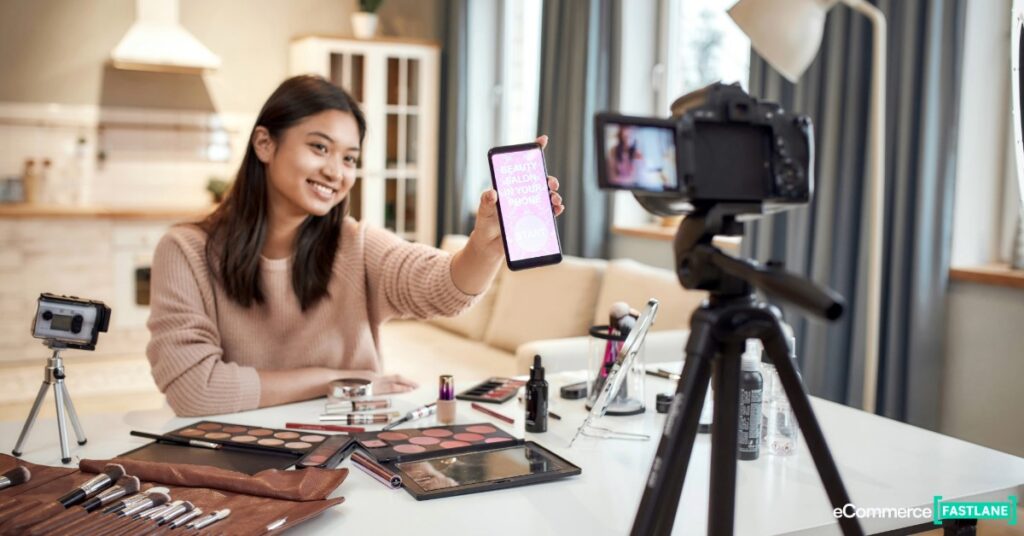
Influencer marketing drives up to 11x ROI compared to traditional advertising, but success starts with knowing how to contact influencers effectively. If you’re a business struggling with low response rates or unsure where to begin, this guide will help. We’ll cover practical steps, from preparation to platform-specific outreach, including templates and tips to build authentic partnerships.
Table of Contents
- Understanding Influencer Outreach Basics
- Preparing Before You Contact Influencers
- Define Your Campaign Goals and Type
- Create a Content Brief
- Research Influencers and Their Audiences
- How to Find and Contact Influencers
- Finding Contact Information
- Best Channels for Initial Outreach (Email vs. DM)
- Platform-Specific Tips
- Crafting Effective Outreach Messages
- Keep It Short and Personalized
- Include a Clear Call to Action
- Follow-Up Strategies
- Advanced Strategies: Using Agencies and Product Seeding
- When to Hire an Influencer Marketing Agency
- Product Seeding for Organic Partnerships
- Conclusion
By the end, you’ll have the tools to connect with influencers and boost your brand’s growth—whether you handle it in-house or partner with experts.
Understanding Influencer Outreach Basics
Influencer outreach is the process of connecting with content creators to collaborate on promoting your brand. It’s essential for businesses aiming to increase awareness, drive sales, or build authority, as 37% of consumers trust influencers over direct brand messages. Common challenges include low reply rates—often around 20-30% for cold emails—and standing out amid daily pitches.
There are two main types: cold outreach (no prior connection) and warm outreach (some existing tie, like shared contacts). Most starts cold, so focus on personalization to cut through noise. For instance, research shows personalized emails can boost response rates by up to 30-40%. Always respect the influencer’s time and audience trust.
Preparing Before You Contact Influencers
Rushing into outreach without a plan leads to unprofessional interactions. Have details ready to move quickly once they respond.
Define Your Campaign Goals and Type
Clarify objectives like brand awareness (e.g., mentions for exposure) or sales (e.g., affiliate links). Overlapping goals are fine, but prioritize one. Choose campaign types: simple product reviews, live events, or UGC. Be flexible—some influencers prefer certain formats. Backup options ensure smooth negotiations.
Create a Content Brief
Outline what the post should include: key messages, dos/don’ts, or scripts. Include brand guidelines but allow flexibility for authenticity. Decide non-negotiables upfront to avoid delays.
Research Influencers and Their Audiences
Use tools like Heepsy or Modash to find fits. Check engagement metrics, audience demographics, and past collaborations. Micro-influencers (1k-10k followers) often yield higher engagement at lower costs—90% of marketers prefer them for targeted campaigns.
This preparation ensures your outreach feels tailored, increasing success odds.
How to Find and Contact Influencers
Finding contact info and choosing channels is key. Prioritize professional methods for better responses.
Finding Contact Information
Check bios, websites, or “About” sections. Tools like Hunter.io or Heepsy Pro can export emails. For YouTube, look in channel About tabs (may require CAPTCHA). If unavailable, use comments as a last resort without spamming.
Best Channels for Initial Outreach (Email vs. DM)
Email is preferred for business—more professional and detailed. DMs suit warm connections or quick intros. Avoid unsolicited DMs to prevent being ignored.
| Channel | Pros | Cons | Best For |
|---|---|---|---|
| Professional, detailed, trackable | Slower response, may go to spam | Cold outreach, proposals | |
| DM | Quick, personal | Overcrowded inbox, character limits | Warm leads, follow-ups |
Platform-Specific Tips
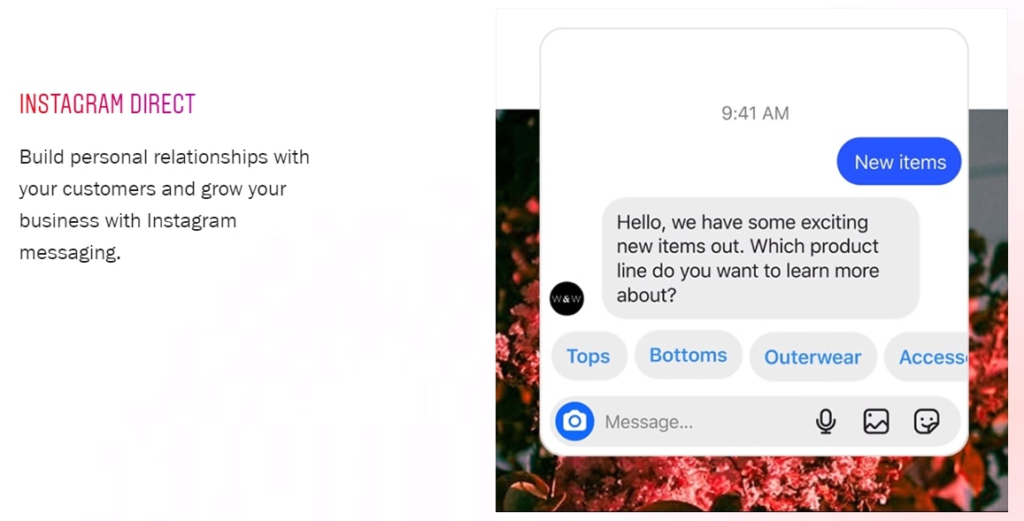
Contacting Instagram Influencers
Email first via bio links. Follow and engage (likes/comments) beforehand. If no email, DM briefly asking for one. Avoid public comments for business.
Contacting YouTube Influencers
Use About tab emails. Check video descriptions for instructions. Subscribe and comment early on new videos if needed. Mention specific videos in your pitch.
Contacting TikTok Influencers
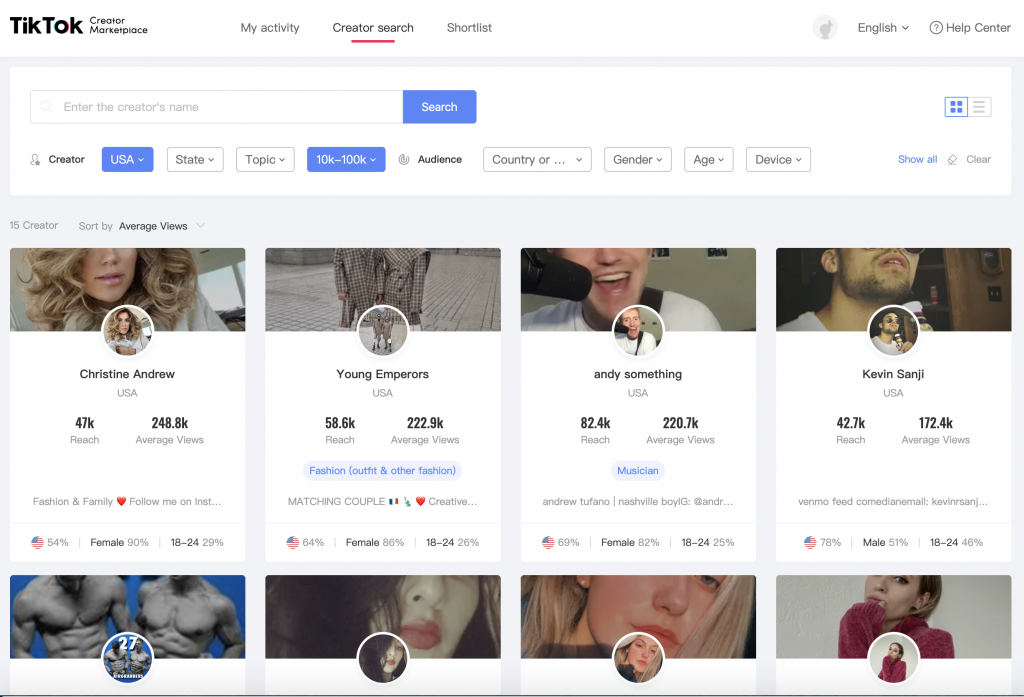
Leverage TikTok Creator Marketplace for direct access to nearly 1 million creators, including metrics. Send invites even if not listed. Fall back to bio emails.
Crafting Effective Outreach Messages
Your message determines response—keep it short, personal, and clear.
Keep It Short and Personalized
Limit to 100-150 words. Start with a connection: “I loved your recent post on [topic]—it aligns perfectly with our brand.” Avoid generics; reference their content.
Include a Clear Call to Action
End with next steps: “Reply with your email for details” or “Schedule a call here.” Make it easy—no guessing.
Follow-Up Strategies
Wait 2-3 days, then politely remind: “Following up on my message about [campaign].” Limit to one or two—follow-ups can double replies.
Advanced Strategies: Using Agencies and Product Seeding
For scaling, consider pros.
When to Hire an Influencer Marketing Agency
If time is limited, agencies handle everything—from finding to contracts. As a leading influencer marketing agency, HireInfluence specializes in custom campaigns, delivering 40% higher response rates through expert personalization.

Product Seeding for Organic Partnerships
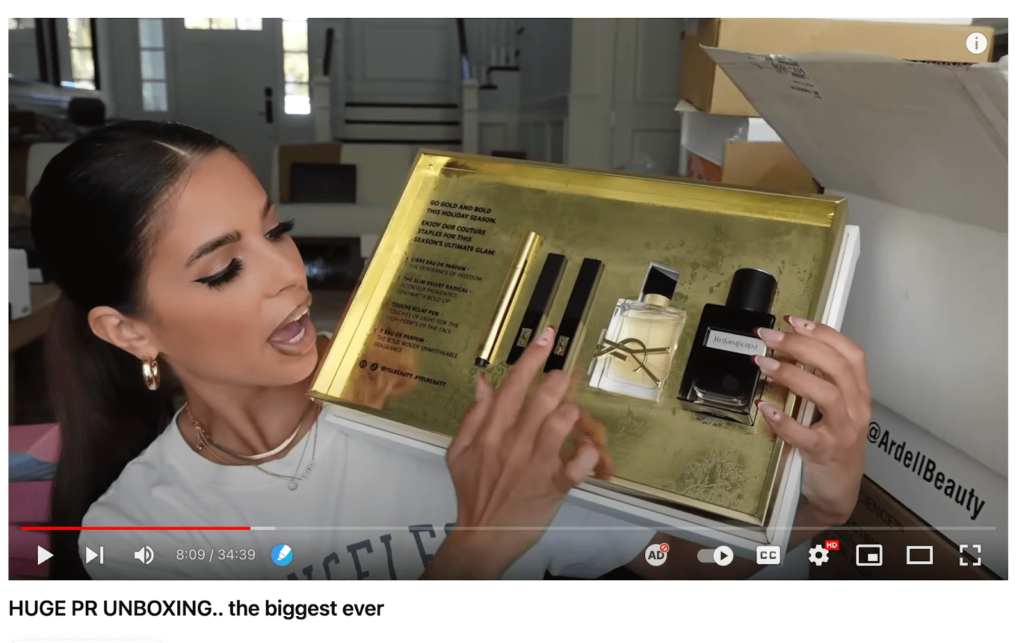
Send free products without obligations. It builds goodwill—e.g., beauty brands like YSL use unboxings for authentic endorsements. Contact via standard methods, but mention the gift upfront.
Conclusion
Mastering how to contact influencers involves preparation, personalization, and persistence: define goals, research thoroughly, craft concise messages with CTAs, and follow up. Use platform tips for Instagram, YouTube, and TikTok, and consider advanced options like agencies for efficiency.
Ready to scale? Partner with a top influencer marketing agency to streamline your campaigns and maximize ROI. Explore related topics like influencer selection or measuring campaign success for deeper insights.