
In 2026, influencer marketing continues to drive significant brand growth through authentic creator partnerships and data-driven strategies. Brands increasingly rely on skilled managers to navigate AI-powered discovery tools, platform algorithms, and evolving regulations.
Table of Contents
- Influencer Marketing Managers and Agencies: Key Insights for 2026
- How do influencer marketing managers identify suitable creators?
- In-house manager versus agency partnership: which delivers better results?
- How do managers measure campaign success in 2026?
- Step-by-Step Guide to Finding the Right Influencer Marketing Manager
- Red flags when evaluating managers
- Why Influencer Marketing Managers Matter in 2026
Selecting the right influencer marketing manager ensures campaigns deliver measurable ROI while aligning with long-term audience engagement goals. This guide explores key considerations for identifying managers who excel in today’s performance-focused landscape.

Influencer Marketing Managers and Agencies: Key Insights for 2026
Influencer marketing managers in 2026 prioritize long-term creator relationships over one-off activations. They leverage AI tools to identify micro and nano influencers with high engagement rates in specific niches. These professionals manage campaigns across TikTok, Instagram, and YouTube, optimizing for short-form video and social commerce features.
Managers track advanced metrics like earned media value and conversion attribution to prove campaign impact. They ensure compliance with updated disclosure rules and platform policies. Experienced managers build diverse creator portfolios that reflect authentic brand alignment. They negotiate hybrid compensation models combining flat fees with performance bonuses.
Agencies maintain extensive networks of vetted creators ready for rapid deployment. In-house managers focus deeply on brand voice but often lack agency-scale relationships. Top agencies integrate AI for faster influencer matching and predictive performance modeling.
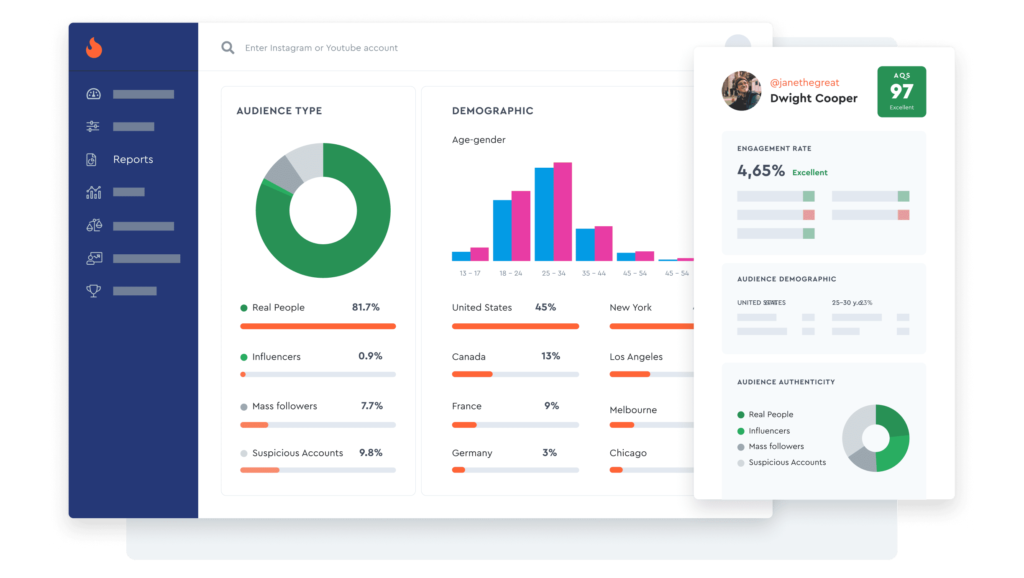
Managers analyze audience overlap and sentiment data before finalizing partnerships. They shift emphasis toward niche creators who drive higher conversion rates than mega influencers. Virtual influencers emerge in select campaigns for controlled messaging. Managers use real-time analytics to adjust content mid-campaign. They foster creator autonomy to maintain content authenticity.
Data privacy regulations influence how managers handle audience insights. Performance marketing integration ties influencer efforts directly to sales outcomes. Agencies offer scalable solutions for multi-platform executions. Managers with proven ROI track records command premium rates in 2026.
Average salaries for influencer marketing managers range from $110,000 to $130,000 annually, depending on experience and location. Senior roles at leading agencies often exceed $150,000 with bonuses tied to campaign results. Compensation structures include base pay plus commissions on measurable outcomes. Managers at top firms access exclusive creator networks that justify higher costs. Budget-conscious brands opt for mid-level managers focused on micro-influencer strategies.
How do influencer marketing managers identify suitable creators?
Managers use AI-powered platforms to scan for creators with aligned audience demographics and engagement patterns. They evaluate content quality, brand safety history, and past performance data. Tools analyze growth trends and fake follower rates automatically. Managers prioritize creators who demonstrate genuine product enthusiasm.
They review engagement authenticity through comment analysis and interaction patterns. Cross-platform presence factors into selection decisions. Managers conduct outreach testing to gauge response rates. They match creator tone and values with brand positioning. Data-driven shortlisting reduces risk in partnerships. Final selections balance reach, relevance, and resonance metrics.
In-house manager versus agency partnership: which delivers better results?
| Aspect | In-House Manager | Agency Partnership |
|---|---|---|
| Focus | Exclusive brand dedication | Broad industry expertise |
| Network Access | Limited relationships | Extensive creator database |
| Scalability | Constrained by resources | Rapid multi-campaign execution |
| Innovation | Deep brand knowledge | Cross-client trend exposure |
| Cost Structure | Fixed salary overhead | Project-based flexibility |
Many brands combine both approaches for optimal results. Agencies excel at accessing top-tier creators quickly. In-house teams maintain consistent brand voice across activations. Partnering with an established influencer marketing agency provides immediate access to proven strategies and networks.
How do managers measure campaign success in 2026?
Advanced attribution models track sales directly from creator content. Managers monitor engagement depth beyond basic likes. They calculate earned media value against paid equivalents. Sentiment analysis gauges brand perception shifts. Conversion tracking includes promo code redemption and affiliate links. Managers report on audience growth and retention metrics.
Cost per acquisition compares across channels. Long-term partnership value assesses repeat purchase influence. Tools integrate social commerce sales data seamlessly. ROI calculations incorporate brand lift survey results.
Step-by-Step Guide to Finding the Right Influencer Marketing Manager

Start by examining successful campaigns from non-competing brands with similar target audiences. Identify patterns in creator selection and content styles that resonate. Research agencies behind high-performing activations across platforms. Compile a shortlist of managers with demonstrated results in your niche.
Review case studies showcasing measurable outcomes like sales lift or engagement growth. Check recent campaigns for adaptation to current trends like AI integration or social commerce. Evaluate their experience with performance-based creator compensation. Look for expertise in crisis management and brand safety protocols. Assess their familiarity with emerging platforms and formats. Request data on past campaign ROI and attribution methods.
- Request referrals from trusted industry contacts
- Examine recent campaigns for platform diversity
- Verify experience with AI-driven creator discovery
- Review performance metrics from previous clients
- Ask about long-term partnership strategies
- Discuss approach to authenticity and creator relations
- Inquire about measurement and optimization processes
- Evaluate team structure and specialized roles
- Check adaptation to regulatory changes
- Assess integration with broader marketing efforts
Strong candidates readily share detailed case studies and performance data. They demonstrate deep understanding of your brand’s target demographic. Managers should outline clear strategies for balancing reach with conversion goals. They discuss contingency plans for algorithm changes or platform shifts. Top professionals highlight successes with micro-influencer networks.
They explain how they maintain creator relationships year-round. Candidates reveal their approach to content approval while preserving authenticity. They provide timelines for campaign launch and optimization cycles. Managers discuss budget allocation across creator tiers effectively. Final selection should align with your specific growth objectives and risk tolerance.
Red flags when evaluating managers
- Reluctance to share specific performance metrics
- Over-reliance on mega influencers only
- Limited experience with current platforms
- Poor reviews or unresolved negative feedback
- Lack of transparency in pricing structure
- No clear strategy for ROI measurement
- Weak understanding of brand safety tools
The ideal manager combines strategic vision with execution excellence. They adapt quickly to platform updates and consumer trends. Partnership success depends on aligned goals and open communication channels.
Why Influencer Marketing Managers Matter in 2026
Influencer marketing managers bridge brands and creators effectively in an increasingly complex ecosystem. They navigate AI tools while preserving human connection authenticity. Managers optimize budgets through data-informed creator selection. They drive sustainable growth via long-term ambassador programs. These professionals protect brand reputation through rigorous vetting processes.
They maximize ROI by focusing on performance metrics over vanity numbers. Managers facilitate seamless multi-platform executions. They foster genuine creator enthusiasm that resonates with audiences. Agencies bring scale and expertise that accelerate results. The right manager transforms influencer investments into predictable revenue drivers. Their strategic oversight ensures campaigns evolve with consumer preferences.
Managers integrate influencer efforts with broader marketing objectives. They analyze competitive landscapes to identify unique opportunities. These experts maintain compliance amid evolving regulations. Managers cultivate creator loyalty for ongoing collaborations. They provide actionable insights from campaign data analysis. The value of skilled management grows as competition intensifies. Brands partnering with capable managers gain significant competitive advantage. Effective management turns influencer marketing into a core growth channel.