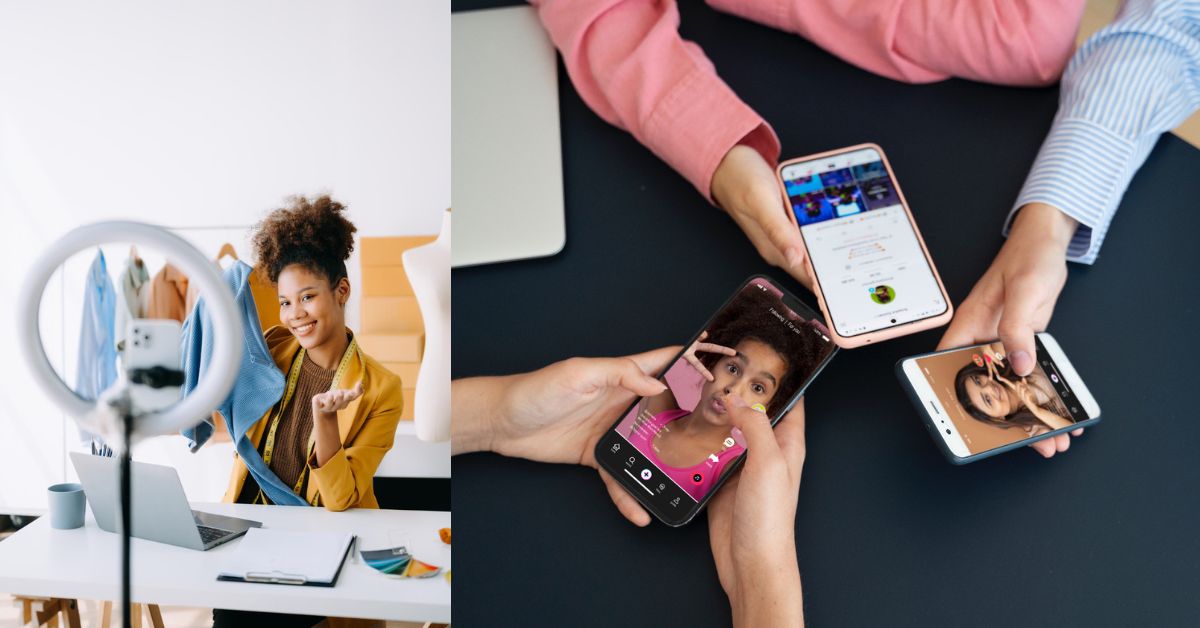
In 2026, influencer marketing has solidified its place as one of the most effective and accessible strategies for small businesses looking to expand reach without breaking the bank. The global influencer marketing industry is valued at over $32-40 billion, with projections showing continued double-digit growth. Small businesses, in particular, are seeing impressive returns—often $5.78 or more for every dollar invested—thanks to the rise of micro- and nano-influencers who deliver authentic engagement at a fraction of the cost of traditional advertising.
Table of Contents
- What Is Influencer Marketing and Why It Matters for Small Businesses in 2026
- Benefits of Influencer Marketing for Small Businesses
- Targeted Audience Access
- Higher Engagement and Authenticity
- Cost-Effective ROI
- Local SEO and Community Boost
- DIY vs. Hiring an Influencer Marketing Agency
- How to Build a Successful Influencer Marketing Campaign on a Budget
- Set SMART Goals
- Find the Right Influencers
- Outreach and Negotiation Tips
- Compensation Models
- Campaign Planning and Content Briefs
- Platform Selection
- Measuring Success and ROI
- Common Mistakes to Avoid
- FAQs
- Conclusion
If you’re a small business owner juggling multiple roles, influencer marketing offers a way to connect with targeted audiences through trusted voices. This comprehensive guide covers everything from the basics and benefits to step-by-step campaign building, ROI measurement, and when to consider partnering with an agency like HireInfluence for expert support.
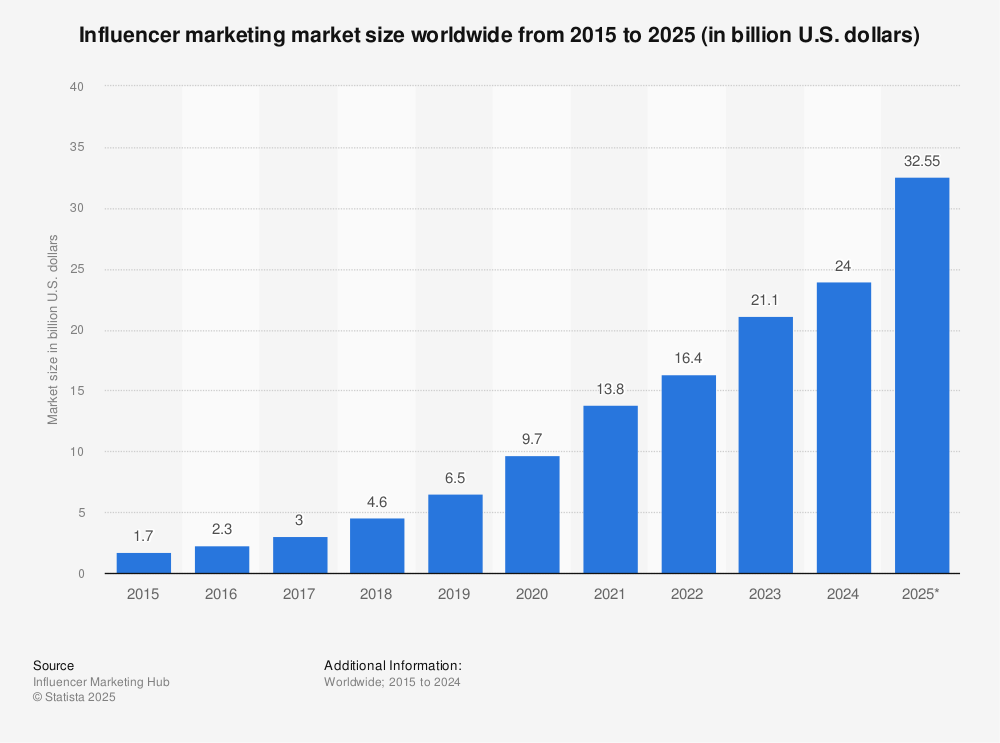
By the end, you’ll have actionable insights to launch affordable campaigns that drive real growth in 2026.
What Is Influencer Marketing and Why It Matters for Small Businesses in 2026
Influencer marketing involves partnering with content creators who have established audiences to promote your products or services authentically. Unlike traditional ads, it’s built on trust—followers see influencers as peers recommending something they genuinely like.
For small businesses, this is a game-changer in 2026. With 74% of marketers planning budget increases and a focus on performance-driven strategies, small brands can compete by leveraging micro-influencers (10K-100K followers) and nano-influencers (under 10K). These creators often boast higher engagement rates (up to 60-70% more cost-effective) and niche audiences perfectly aligned with local or specialized markets.
Key 2026 trends include:
- AI-powered content creation and matching tools
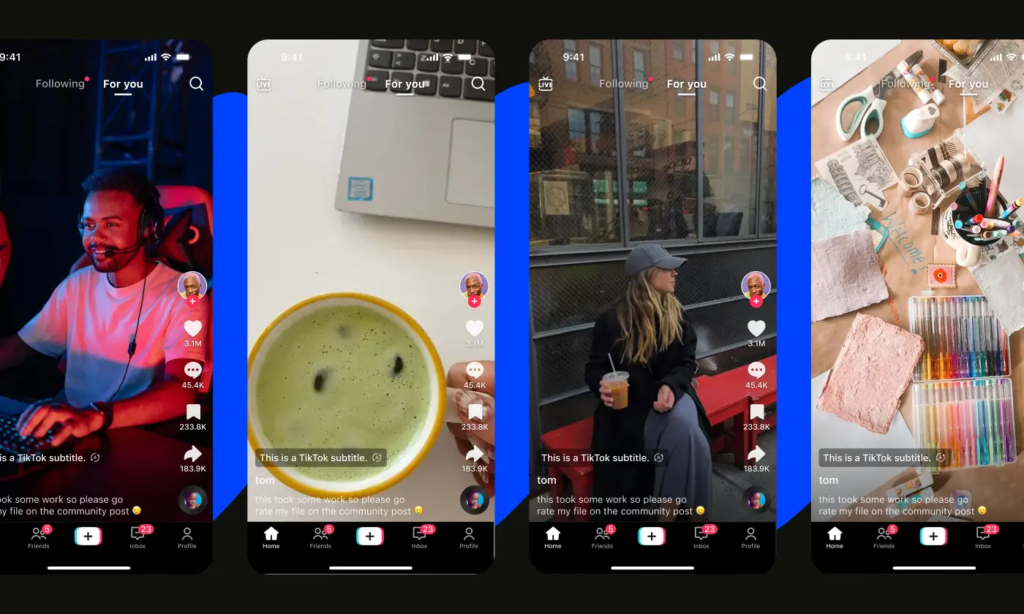
- Short-form video dominance on TikTok and YouTube Shorts
- Long-term partnerships over one-off posts
- Social commerce integration for direct sales
- Emphasis on authenticity and community-building
Benefits of Influencer Marketing for Small Businesses
Targeted Audience Access
Micro-influencers attract highly specific followers—think local fitness enthusiasts or eco-conscious parents. This precision targeting means your message reaches people already interested, bypassing broad (and expensive) ad platforms.
Higher Engagement and Authenticity
Audiences trust influencers more than brands. In 2026, authentic partnerships drive engagement rates far higher than traditional ads, fostering genuine connections and user-generated content (UGC).
Cost-Effective ROI
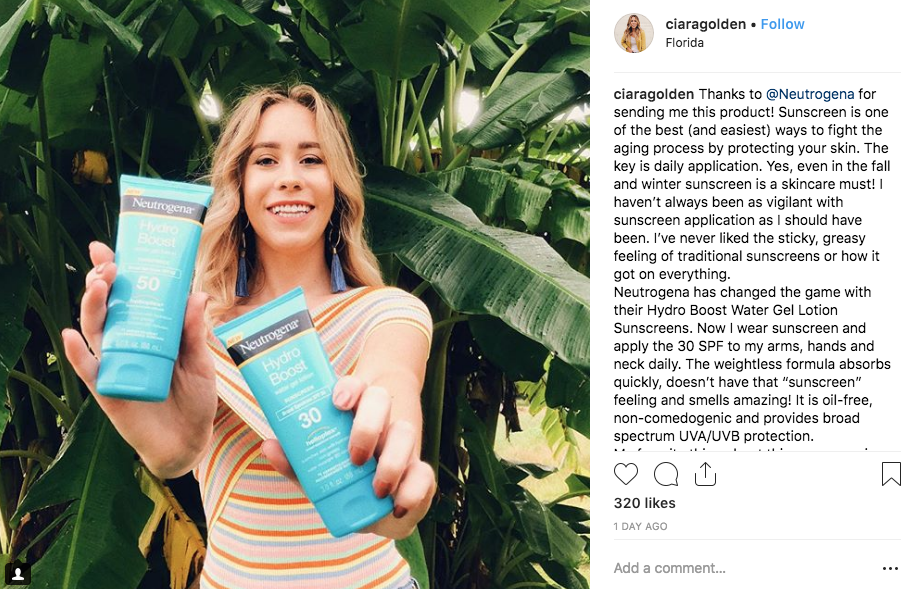
Small businesses don’t need mega-budgets. Gifting products or affiliate deals with micro-influencers can yield strong returns, with many campaigns achieving 5-20x ROI.
Local SEO and Community Boost
Local influencers can drive foot traffic and improve search visibility through geo-tagged content.
| Benefit | Why It Matters for Small Businesses | Example Impact |
|---|---|---|
| Targeted Reach | Access niche, local audiences | Higher conversion rates |
| Authenticity | Builds trust without hard selling | Increased loyalty and referrals |
| Affordability | Micro-influencers cost 60-70% less | Better ROI on limited budgets |
| Engagement | Higher interaction than ads | More UGC and shares |
DIY vs. Hiring an Influencer Marketing Agency
Many small businesses start DIY, but scaling often requires expertise.
| Aspect | DIY | Agency (e.g., HireInfluence) |
|---|---|---|
| Pros | Low upfront cost, full control | Vetted influencers, strategy expertise, time savings |
| Cons | Time-intensive, risk of fraud/mismatches | Higher cost (but better ROI) |
| Best For | Small tests, simple gifting campaigns | Scaled campaigns, long-term partnerships |
| ROI Potential | Variable | Often higher due to optimization |
Agencies shine in 2026 by handling discovery, negotiations, compliance, and performance tracking—freeing you to focus on your business.
Real example: A small skincare brand saw 300% ROI after switching to agency-managed micro-influencer campaigns, avoiding common pitfalls like inauthentic partnerships.
How to Build a Successful Influencer Marketing Campaign on a Budget
Set SMART Goals
Define Specific, Measurable, Achievable, Relevant, Time-bound objectives—like “Increase website traffic by 30% in 3 months.”
Find the Right Influencers
Focus on micro/local creators via platform searches or tools. Look for alignment, engagement rate (>3%), and audience demographics.
Outreach and Negotiation Tips
Personalize pitches, start with engagement on their content. Offer gifting, affiliates, or modest pay.
Compensation Models
- Product gifting (ideal for startups)
- Affiliate commissions
- Paid posts (for proven performers)
Campaign Planning and Content Briefs
Provide loose guidelines—let creators’ authenticity shine.
Platform Selection
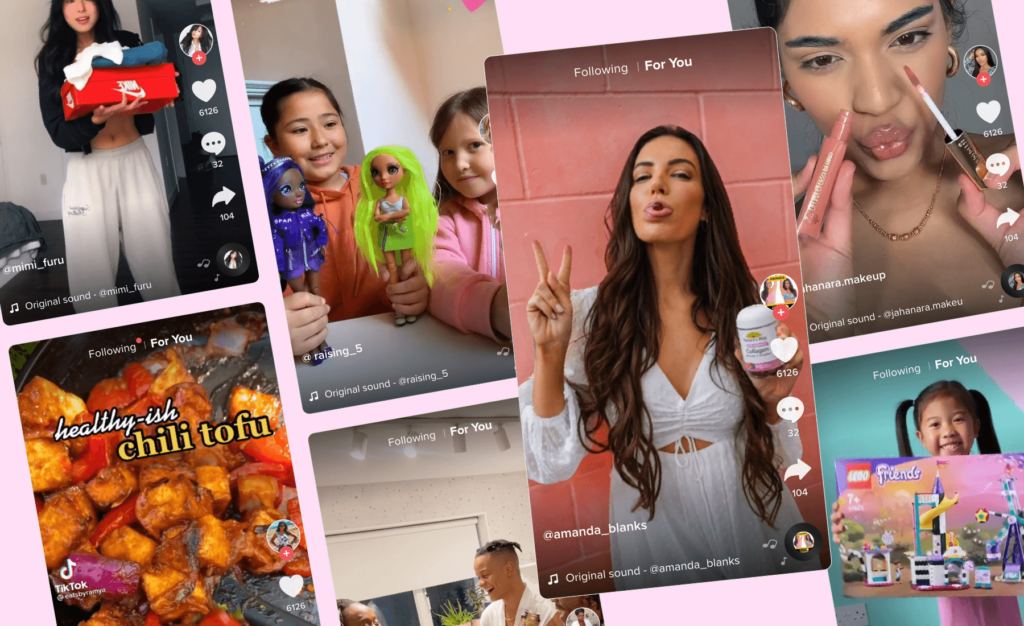
TikTok and Instagram dominate for short-form; YouTube for in-depth reviews.
Measuring Success and ROI
Track:
- Engagement (likes, comments, shares)
- Traffic/referrals (UTM links)
- Conversions/sales
- ROI formula: (Revenue – Cost) / Cost
Tools: Google Analytics, platform insights, affiliate trackers.
Example: A local cafe’s micro-influencer campaign generated $15K in sales from a $2K investment.
Common Mistakes to Avoid
- Choosing based on follower count alone
- Over-controlling creative
- Ignoring FTC disclosure rules
- Not tracking metrics
FAQs
Is influencer marketing effective for small businesses in 2026?
Yes—micro-influencers provide affordable, high-engagement reach.
How much should a small business budget?
Start with $1,000-5,000 for tests; scale based on results.
What’s the best platform?
TikTok for viral potential, Instagram for visuals, YouTube for trust.
When should I hire an agency?
When DIY becomes overwhelming or results plateau.
Conclusion
Influencer marketing in 2026 levels the playing field for small businesses, offering targeted, authentic growth through micro-creators and smart strategies. From setting goals to measuring ROI, this guide equips you to get started—or optimize existing efforts.
Ready to launch your campaign? Partner with HireInfluence, a leading influencer marketing agency specializing in affordable, high-ROI partnerships tailored for small businesses, for a free consultation. Our experts are here to handle the details so you can focus on running your business. Let’s grow your brand together.