
Evolution of the FTC Endorsement Guides
The Federal Trade Commission maintains endorsement guides to prevent deceptive advertising practices. These rules require transparency whenever a material connection exists between a brand and an endorser.
Table of Contents
Brands must ensure consumers receive honest information about products and services. The guides apply across all media platforms where endorsements appear. Regulators developed the initial framework decades ago to address traditional advertising concerns. Early versions focused on print, radio, and television endorsements. Advertisers often used paid spokespeople presented as independent experts. This approach raised questions about authenticity and consumer trust.
HireInfluence works on enterprise influencer marketing campaigns that work strictly in accordance with FTC marketing rules.
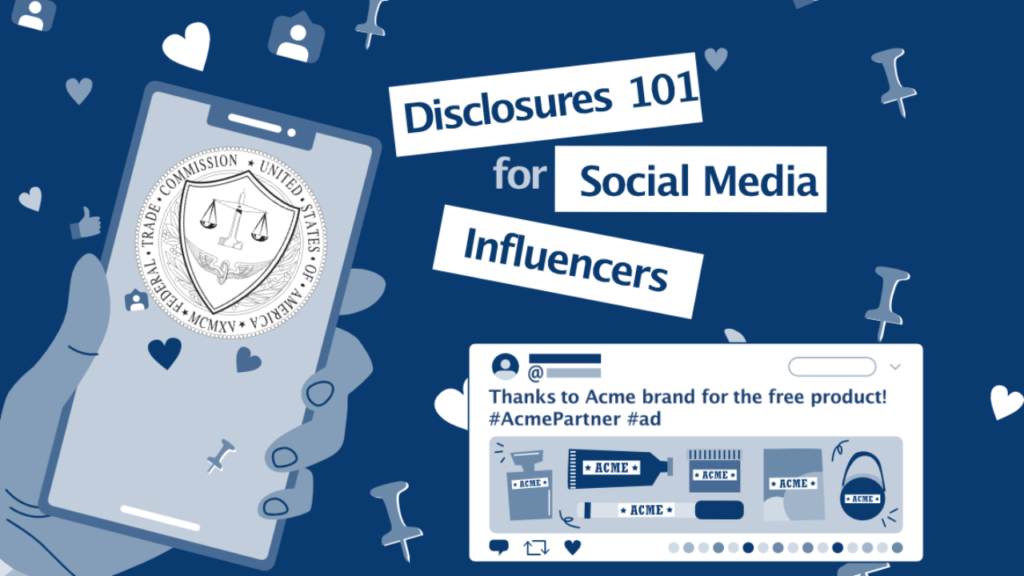
The FTC responded by formalizing requirements for disclosing relationships. First proposed in 1972, the guides were finalized in 1980. They established baseline standards for truthful endorsements. Revisions followed as marketing channels evolved. The 2009 update addressed the rise of online blogging and reviews. Bloggers frequently received compensation or free products for coverage. The FTC clarified that these arrangements required disclosure. Social media growth accelerated the need for further changes. Platforms enabled direct brand-influencer partnerships at scale. By 2019, social media reached billions of users worldwide. Influencer marketing had grown into a multi-billion-dollar channel. The FTC released “Disclosures 101 for Social Media Influencers” that year. This document provided practical examples for digital creators. It emphasized personal responsibility for compliance. The most significant revision arrived in 2023 to reflect current realities.
Today, over 5.66 billion people use social media globally. Influencer marketing spending approaches $40 billion annually. These figures underscore the stakes involved in regulatory oversight. The FTC continues monitoring emerging formats like short-form video and live streaming. Virtual influencers and AI-generated content present new challenges. Enforcement actions demonstrate ongoing commitment to transparency. Brands and creators ignore these rules at their peril.
Latest Updates to FTC Endorsement Guides
The FTC finalized major revisions to its Endorsement Guides in June 2023. These changes reflect advancements in digital advertising methods. The updated guides expand the definition of “endorser” to include virtual and AI-created figures. Virtual influencers must disclose their non-human nature when appropriate. Clear and conspicuous disclosures remain the core requirement.
The term “clear and conspicuous” now carries stricter interpretation. Disclosures must be unavoidable and easy to notice. Platforms’ built-in tools alone do not satisfy the standard. The 2023 version addresses child-targeted endorsements explicitly. Advertisers face heightened scrutiny when involving minors. Incentives like free products trigger disclosure obligations. This applies even without requirements for positive reviews.
Brands can face liability for influencer misconduct they knew about or should have detected. The guides cover consumer reviews more comprehensively. Fake reviews and suppressed negative feedback violate rules. Procuring, suppressing, or editing reviews deceptively draws penalties. Testimonials implying atypical results need substantiation. Advertisers must possess reliable evidence supporting claims. The FTC updated its “What People Are Asking” resource alongside the guides.
This FAQ addresses common compliance questions. Live streaming requires repeated disclosures throughout broadcasts. Ephemeral content demands superimposed text overlays. Tags and likes can qualify as endorsements under certain conditions. Affiliate links require clear relationship disclosures. The revisions aim to protect consumers in evolving digital spaces.
Enforcement continues focusing on transparency across formats. Brands must review contracts and monitoring processes accordingly. Creators bear primary responsibility for their posts. The 2023 updates represent the current framework governing influencer partnerships.
When Influencers Must Disclose Material Connections
Influencers must disclose any material connection with a brand. Material connections include financial payments or free products received. Family or employment relationships with companies also qualify. Personal relationships can trigger disclosure requirements if relevant. Receiving anything of value in exchange for promotion demands transparency.
This holds true even for gifted items without posting obligations. Liking or tagging a brand after receiving incentives counts as endorsement. Hashtags alone may not suffice in some contexts. Posting from outside the United States does not exempt compliance. U.S. laws apply when content reaches American consumers. Followers cannot be assumed to know about arrangements.
Explicit disclosure remains necessary regardless of audience familiarity. Virtual influencers must reveal their artificial nature when making experiential claims. Child influencers require special handling under updated rules. Brands providing contest entries or discounts face disclosure triggers. Affiliate marketing links always need relationship explanations.
Reviews influenced by incentives demand transparency statements. Negative experiences do not eliminate disclosure duties. Past compensation for similar promotions may require mention. Ongoing partnerships necessitate consistent disclosures across posts. One-time gifts still create material connections. Sweepstakes participation offered for coverage triggers rules.
Employee endorsements outside official duties need disclosure. The FTC holds influencers accountable for compliance failures. Brands share potential liability in certain circumstances. These requirements ensure consumers understand promotional motivations.
- Financial compensation of any amount
- Free products or services provided
- Family or personal relationships with brand owners
- Employment ties to the company
- Affiliate links or referral codes
- Contest entries or exclusive experiences
How to Make Clear and Conspicuous Disclosures
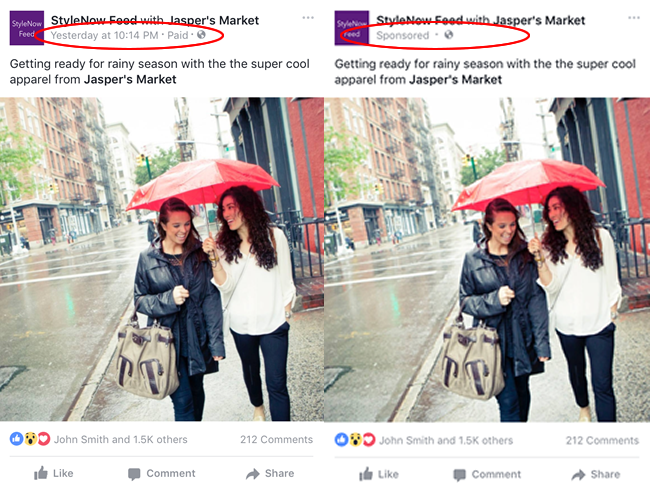
Disclosures must appear where viewers cannot miss them. Placing them at post beginnings works best. Hiding disclosures in hashtag groups violates standards. Links to separate disclosure pages fail the test. Superimposed text overlays suit ephemeral stories. Video content requires both verbal and visual disclosures. Audio-only viewers need spoken statements.
Visual-only viewers benefit from on-screen text. Live streams demand repeated disclosures throughout. New viewers joining mid-broadcast miss initial statements. Simple language outperforms ambiguous abbreviations. Terms like “sp,” “spon,” or “collab” confuse audiences. Recommended phrases include “#ad” or “#sponsored.” Explicit statements like “Brand X paid me for this post” provide clarity. “Thanks to Brand Y for the free product” works effectively. Platform disclosure tools supplement but do not replace custom statements. Disclosures must stand out from surrounding content.
Contrast and placement affect conspicuousness. Duration matters for video and story formats. Viewers need sufficient time to read overlays. Multi-language audiences may require translated disclosures. Repurposed content retains original disclosure obligations. Edited videos must preserve disclosure visibility. The FTC evaluates disclosures from consumer perspectives. Technical limitations do not excuse poor placement. Creators should test visibility across devices. These practices reduce compliance risks significantly.
| Platform | Recommended Disclosure Placement | Best Examples |
|---|---|---|
| Instagram Feed/Reels | Beginning of caption and on-screen text | “Paid partnership with [Brand]” or “#ad” |
| TikTok | Superimposed text and spoken mention | “#sponsored” overlay + verbal statement |
| YouTube | Video beginning and description | Verbal disclosure + on-screen text |
| Live Streams | Repeated verbal and visual mentions | Every 10-15 minutes + pinned comment |
Penalties for Non-Compliance with FTC Guidelines
The FTC pursues enforcement actions against guideline violations. Penalties range from warning letters to substantial fines. Companies have faced millions in settlements historically. Individual influencers receive warnings in many cases. Brands bear responsibility for oversight failures. Recent actions targeted deceptive health claims and fake reviews. Warning letters addressed inadequate disclosures in affiliate promotions. The agency monitors high-profile partnerships closely.
Settlements often require future compliance monitoring. Monetary penalties can reach millions depending on severity. Repeated violations draw harsher consequences. The FTC publicizes actions to deter others. Consumer complaints trigger investigations frequently. Undisclosed material connections remain common violations. Fake follower purchases have drawn past penalties. Review manipulation schemes face aggressive enforcement. Virtual influencer misuse presents emerging risks. Child endorsement cases attract particular scrutiny. The agency coordinates with state authorities when needed. Injunctions can halt deceptive campaigns immediately.
Corrective advertising may be required in settlements. Public statements from commissioners signal enforcement priorities. Ongoing monitoring reflects commitment to consumer protection. Brands and creators face reputational damage alongside legal risks. Compliance programs help mitigate potential penalties.
- Teami, LLC paid $1 million for undisclosed endorsements and unsubstantiated claims
- Warning letters issued to influencers using affiliate links without proper disclosure
- Actions against companies suppressing negative reviews
- Settlements requiring compliance reporting for years
How Brands Can Ensure FTC Compliance
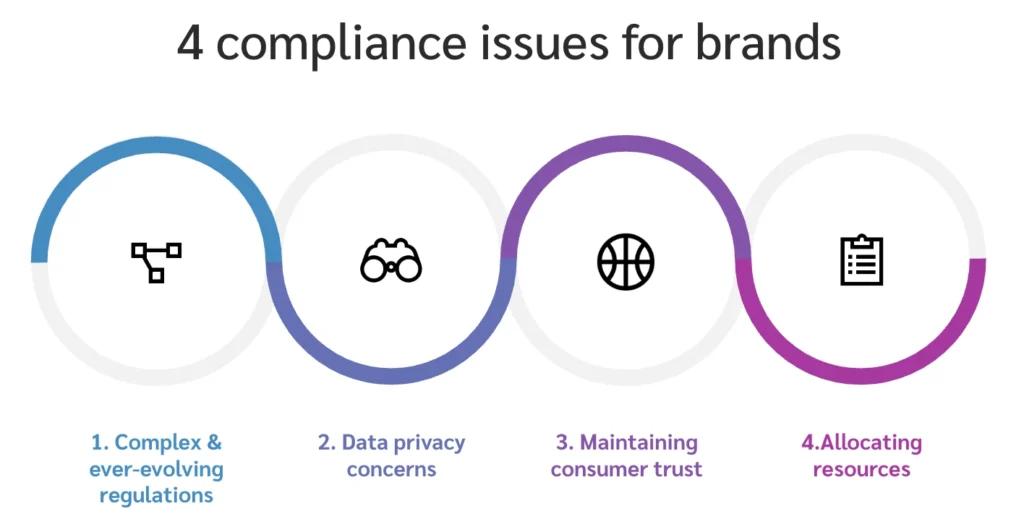
Brands must educate influencers about current FTC requirements. Written guidelines should accompany every partnership agreement. Contracts need explicit disclosure clauses. Monitoring programs detect non-compliant posts quickly. Documented follow-up requests demonstrate reasonable efforts. Training sessions improve influencer understanding. Regular audits maintain campaign integrity.
Legal review of content before posting adds protection. Clear communication channels facilitate compliance discussions. Performance incentives tied to disclosure adherence work effectively. Repurposed content requires verification of existing disclosures. Virtual influencer campaigns demand artificial nature statements. Child involvement triggers additional safeguards. Affiliate programs need built-in disclosure reminders. Platform analytics help track disclosure visibility.
Third-party tools automate monitoring at scale. Working with an experienced influencer marketing agency ensures campaigns meet regulatory standards. Agency expertise navigates complex requirements efficiently. Internal compliance teams coordinate with legal departments. Post-campaign reviews identify improvement areas. Documentation of all compliance steps protects against liability claims. Proactive measures prevent costly enforcement actions. Strong compliance builds long-term consumer trust.
- Include FTC guidelines in influencer contracts
- Monitor posts and request corrections promptly
- Provide disclosure templates and examples
- Conduct regular compliance training
- Document all monitoring and correction efforts