
In the fast-evolving world of digital marketing, influencer relations management (IRM) has become essential for businesses aiming to build sustainable partnerships with content creators. As the influencer marketing industry surges toward an estimated $40.51 billion in 2026, brands are shifting from traditional ads to authentic collaborations that drive real engagement and sales.
Table of Contents
- What Is Influencer Relations Management (IRM)?
- The Value and Importance of Influencer Relations
- Building Trust and Authenticity
- Long-Term vs. One-Off Campaigns
- Competitive Advantages in a Growing Market
- How to Develop a Successful IRM Strategy
- Be Selective in Influencer Selection
- Use Contracts and Set Expectations
- Treat Influencers as Partners
- Leverage Outreach and Respect
- Nurture Like Customers
- Offer Creative Freedom
- Focus on Long-Term Relationships
- Track Results and Attribute Success
- Rely on IRM Platforms
- Measuring IRM Success and Best Practices
Whether you’re a business seeking to run your own campaigns or looking for an influencer marketing agency to handle them, understanding IRM can transform one-off promotions into long-term success stories. In this guide, you’ll learn the fundamentals of influencer relations management, its value, and a step-by-step strategy to implement it effectively—equipping you with the tools to boost ROI and foster genuine brand loyalty.

What Is Influencer Relations Management (IRM)?
Influencer relations management, often abbreviated as IRM, is the strategic process of treating influencers as key partners in a brand’s marketing ecosystem. Similar to customer relationship management (CRM), IRM focuses on building, maintaining, and optimizing relationships with content creators to ensure successful influencer marketing campaigns. This involves storing details about each influencer’s style, past campaigns, and performance metrics for future reference.
At its core, IRM requires an experienced influencer manager—either an in-house employee or a consultant from an influencer agency—to oversee recruitment, collaboration, and reporting. These managers handle everything from identifying potential partners to analyzing campaign results, ensuring alignments with brand goals. In essence, IRM shifts the perspective from transactional deals to collaborative partnerships, where influencers become extensions of the brand itself.
Key components include:
- Recruitment: Sourcing influencers who align with the target audience.
- Management: Coordinating content creation and campaign execution.
- Reporting: Tracking metrics like engagement rates and ROI.
By centralizing these efforts, brands can avoid common pitfalls and scale their influencer marketing efficiently.
The Value and Importance of Influencer Relations
Building Trust and Authenticity
Influencers wield significant power through the trust and credibility they’ve earned from their followers. When a brand partners with the right influencers, this authenticity transfers to product recommendations, often leading to higher conversion rates than traditional ads. Without strong relationships, however, influencers may deliver lackluster endorsements that fail to resonate.
Long-Term vs. One-Off Campaigns
While short-term campaigns can generate quick buzz, long-term influencer relationships yield deeper benefits. Over time, influencers gain a nuanced understanding of the brand, allowing for more targeted and genuine messaging. This approach not only improves campaign effectiveness but also reduces the need for constant vetting of new partners.
Competitive Advantages in a Growing Market
With the influencer marketing market projected to grow rapidly, competition for top talent is fierce. A robust IRM strategy provides a edge by helping brands acquire and retain high-quality influencers. This leads to better customer acquisition, increased loyalty, and a stronger market position. In a landscape where 89% of marketers report influencer ROI as comparable or better than other channels, investing in IRM is no longer optional—it’s a necessity for sustained growth.
How to Develop a Successful IRM Strategy
Developing an IRM strategy requires careful planning and execution. Below is a step-by-step guide to help businesses, especially those partnering with an influencer marketing agency, create effective partnerships.
Be Selective in Influencer Selection
Start by investing time in vetting influencers. Prioritize quality over quantity—focus on those whose audience demographics, values, and content style align with your brand. Use tools to analyze engagement rates and audience authenticity to avoid mismatches. This foundation sets the stage for long-term success and higher sales performance.
Use Contracts and Set Expectations
A solid influencer contract is crucial to prevent misunderstandings. Include details on compensation, deliverables, timelines, and usage rights. For brands new to this, templates can help ensure compliance with FTC guidelines and protect intellectual property.
Treat Influencers as Partners
View influencers as valuable collaborators who offer insights into market trends and consumer feedback. For instance, a cosmetics brand might learn about packaging preferences through influencer input, enhancing products and building mutual trust.
Leverage Outreach and Respect
Craft personalized outreach pitches that highlight transparency and mutual benefits. Influencers receive numerous offers, so standing out with respect—fair pay, clear terms, and appreciation—can secure top partnerships.
Nurture Like Customers
Treat influencers with the same care as loyal customers. Implement loyalty programs with perks like free samples, exclusive access, or networking events. Sephora’s Sephora Squad exemplifies this, providing members with beauty boxes, early product launches, and career tools, fostering strong, ongoing relationships.
Offer Creative Freedom
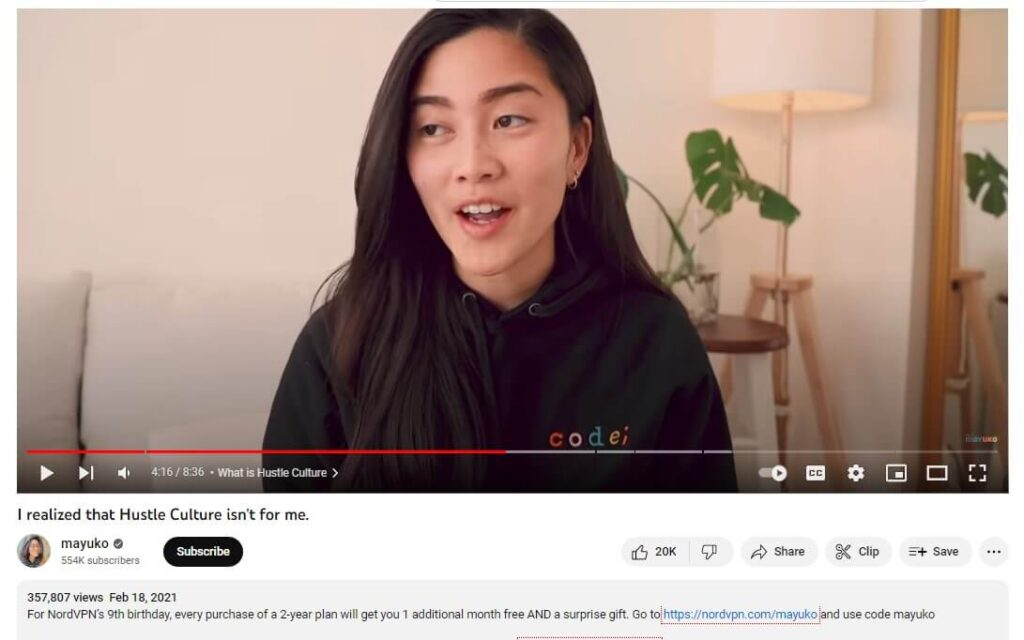
Avoid micromanaging; provide guidelines but allow influencers to infuse their unique voice. This leverages their audience expertise for more engaging content. Tech influencer Mayuko Inoue, a long-term NordVPN ambassador, uses her empathetic style to create authentic promotions that resonate deeply.
Focus on Long-Term Relationships
Prioritize ongoing collaborations over one-offs. This allows influencers to authentically integrate your brand into their content, saving time on repeated searches and building deeper audience connections.
Track Results and Attribute Success
Monitor key metrics like ROI, engagement, and sales using unique tracking links. Segment influencers based on performance to prioritize high-ROI partners and refine future strategies.
Rely on IRM Platforms
As programs scale, manual tracking becomes inefficient. Use agile platforms like GRIN or Sprout Social for centralized management, analytics, and automation. These tools handle everything from influencer discovery to performance attribution, freeing up time for relationship-building.
If managing this in-house feels overwhelming, partnering with a top influencer marketing agency like HireInfluence can streamline the process, offering expert guidance and proven strategies tailored to your brand.
Measuring IRM Success and Best Practices
To gauge IRM effectiveness, focus on metrics beyond vanity stats. Track engagement rates, media value, and direct sales attribution via tools like Google Analytics. Regularly review performance to identify top influencers and address underperformers.
Best practices include incorporating diversity in selections for broader appeal, preparing for crises with clear protocols, and staying compliant with global regulations. By filling these gaps—often overlooked in basic strategies—brands can achieve more comprehensive coverage and sustained ROI.
In conclusion, influencer relations management is the backbone of successful influencer marketing, emphasizing trust, long-term partnerships, and data-driven decisions. By following this guide, you’ll be equipped to build an IRM strategy that enhances reach, engagement, and business growth. Ready to take the next step? Contact an influencer agency for a free IRM audit. Explore related topics like 2026 influencer marketing trends or top IRM tools for deeper insights.