
Did you know that in 2026, 74% of marketers plan to increase their influencer marketing budgets, recognizing its power to drive engagement and sales? Yet, many businesses struggle to prove the true value of these campaigns, with up to 70% facing challenges in measuring ROI effectively. If you’re a business looking to partner with an influencer marketing agency to run your campaigns, understanding reporting and analysis is key to unlocking maximum returns.
Table of Contents
- Why Measure Influencer Campaign Performance and ROI?
- Essential Metrics and KPIs for Influencer Marketing Analysis
- Engagement Rate and Impressions Tracking
- Traffic and Conversion Metrics
- ROI and Sales Attribution
- Step-by-Step Guide to Reporting Influencer Campaigns
- Implementing Tracking Tools and Parameters
- Analyzing Data for Actionable Insights
- Creating Comprehensive Reports
- Best Tools and Dashboards for Influencer Marketing Analysis
- Common Challenges and Best Practices in Campaign Reporting
In this guide, we’ll dive into the essentials of reporting and analysis of influencer marketing campaigns. You’ll learn how to track performance, optimize strategies, and demonstrate tangible results. From key metrics like engagement rates and impressions tracking to practical tools and step-by-step processes, we’ll cover everything you need to refine your approach. Whether you’re aiming for better targeting, valuable insights, or proven ROI, these strategies will help you make data-driven decisions. Plus, discover why collaborating with a top influencer marketing agency can simplify the process and boost your outcomes—stick around to see how.
Why Measure Influencer Campaign Performance and ROI?
Measuring the success of influencer marketing campaigns isn’t just a nice-to-have—it’s essential for sustainable growth. In an industry projected to reach $32.55 billion globally in 2025, with continued expansion into 2026, businesses must justify every dollar spent. Proper reporting and analysis reveal whether your partnerships are delivering real value, helping you avoid wasted budgets on underperforming influencers.
First, it demonstrates ROI. Without clear metrics, it’s hard to tie influencer efforts to business outcomes. For instance, 94% of organizations report that influencer marketing provides stronger ROI than traditional digital ads, often yielding at least 2x returns. By tracking KPIs like cost per acquisition (CPA) and sales attribution, you can quantify gains and refine future investments.
It also allows for better targeting. Influencers give access to niche audiences that traditional marketing might miss. Analyzing data from campaigns shows how well content resonates, enabling you to select partners whose followers align with your customer personas. This leads to higher engagement and more effective reach.
Finally, it provides valuable business insights beyond sales. Metrics like sentiment analysis and brand awareness uncover audience preferences, content trends, and quality issues. These insights inform broader marketing strategies, from product development to customer service. For businesses seeking an influencer marketing agency, this measurement ensures partnerships are strategic, not scattershot, ultimately driving long-term impact.
In short, skipping measurement risks blind spending in a competitive space. With 97% of CMOs planning to boost creator marketing budgets in 2026, those who master reporting will outpace the rest.
Essential Metrics and KPIs for Influencer Marketing Analysis
To succeed in reporting and analysis of influencer marketing campaigns, focus on metrics that align with your goals. These KPIs help evaluate performance across the funnel, from awareness to conversions.
Engagement Rate and Impressions Tracking
Engagement measures how audiences interact with content, including likes, comments, shares, and saves. A high rate (typically 1-5% for influencers) signals resonance and interest in your product. Track this alongside impressions—the total views—to gauge reach. For example, if impressions hit millions but engagement is low, the content might not convert well.
Traffic and Conversion Metrics
Drive traffic to your site using tools like UTM parameters. Monitor click-through rates (CTR) and unique visitors from influencer posts. Conversion metrics, such as sign-ups or downloads, show mid-funnel impact. Aim for benchmarks like a 2-3% CTR in strong campaigns.
ROI and Sales Attribution
Sales are the ultimate bottom-line metric. Use affiliate links or promo codes to attribute revenue directly. Calculate ROI as (Revenue Generated – Campaign Cost) / Campaign Cost. Include CPA and lifetime value for deeper insights. Studies show 89% of marketers find influencer ROI comparable or better than other channels in the tool result, but it’s image:5, wait, web:5 is industry size, actually from content: 89% say ROI is comparable or better.
From image:5 description, yes.
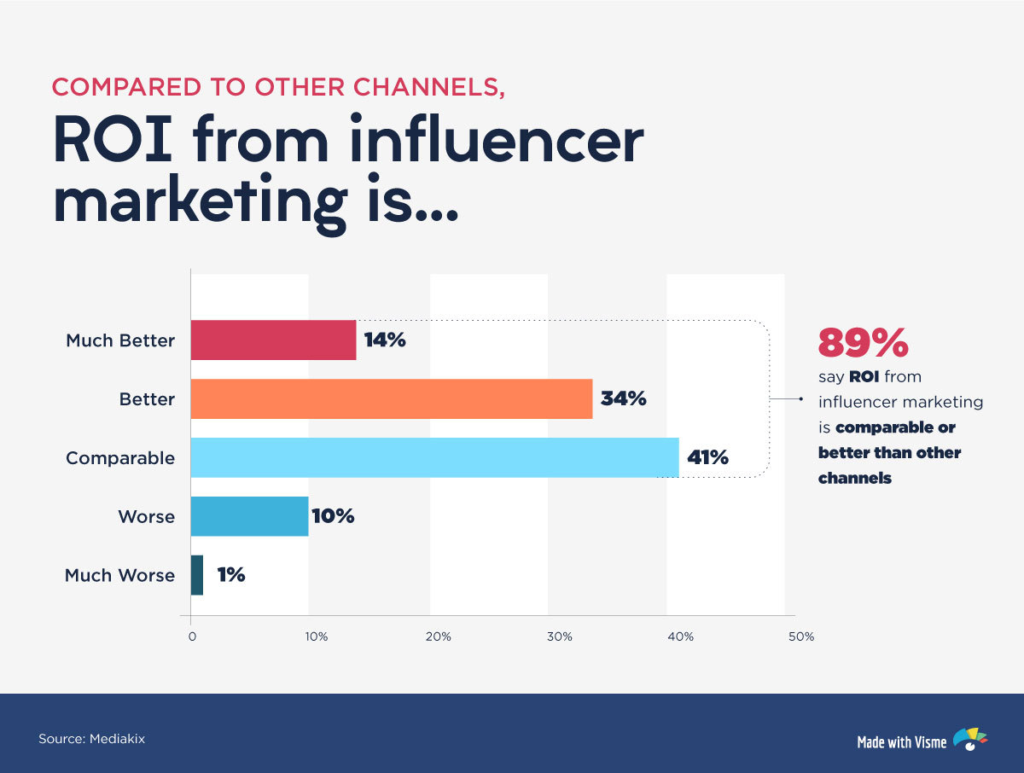
Also, sentiment analysis adds qualitative depth, revealing audience feelings via comments.
Integrate these for a holistic view, tying back to objectives like brand awareness or lead generation.
Step-by-Step Guide to Reporting Influencer Campaigns
Effective reporting turns raw data into actionable insights. Follow this guide to streamline the process.
Implementing Tracking Tools and Parameters
Start by setting goals—e.g., increase sales by 20%. Use affiliate links for direct tracking and UTM parameters to tag URLs, distinguishing traffic sources. Request influencer data like demographic breakdowns and engagement rates upfront.
Analyzing Data for Actionable Insights
Gather metrics via dashboards. Look for patterns: High impressions but low CTR? Refine content. Use attribution models to credit sales accurately, considering multi-touch points.
Creating Comprehensive Reports
Compile findings into visuals like charts. Highlight wins, challenges, and recommendations. Share with stakeholders to inform optimizations.
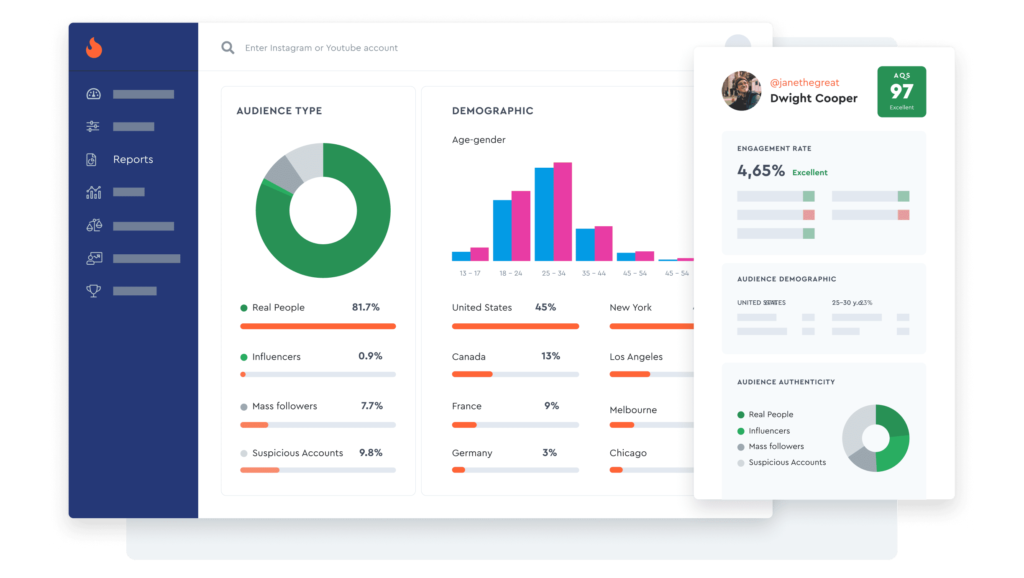
This approach ensures transparency and continuous improvement in your influencer marketing ROI.
Best Tools and Dashboards for Influencer Marketing Analysis
Choosing the right tools simplifies reporting. Here are top recommendations for 2026:
- Sprout Social: Excellent for analytics, influencer discovery, and unified dashboards. Pros: Real-time tracking; cons: Higher pricing.
- Upfluence: All-in-one with 12M+ creator database, affiliate management. Ideal for scaling brands.
- Modash: Affordable for basic discovery and performance metrics.
- CreatorIQ: AI-driven for enterprise, with fraud detection.
- GRIN: Performance-focused, e-commerce integrations.
- Aspire: Community hub for collaborations.
Agency-managed tools often outperform DIY, offering expert setup.
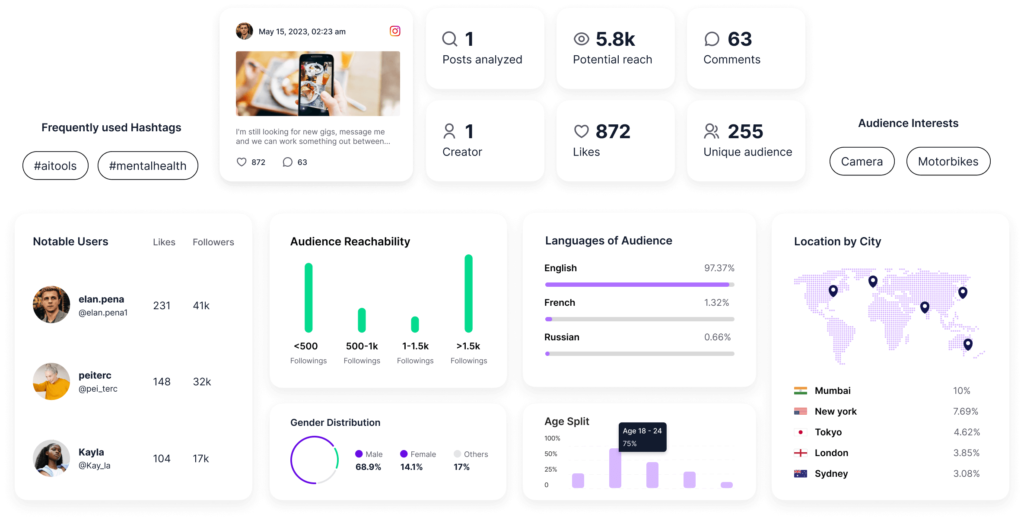
Compare based on needs—e.g., Sprout for social integration.
Common Challenges and Best Practices in Campaign Reporting
Attribution remains tricky, with multi-channel paths complicating credit. Data privacy (GDPR) adds layers—ensure compliance.
Best practices: Use consistent naming for UTMs, integrate long-term tracking, and refine via A/B tests. Partner with agencies for advanced handling.
Overcome inconsistencies by standardizing metrics across platforms.
In conclusion, mastering reporting and analysis of influencer marketing campaigns hinges on key metrics, solid tracking, and the right tools. You’ll demonstrate ROI, target better, and gain insights that propel growth. Ready to elevate your strategy? Contact a top influencer marketing agency like HireInfluence for expert campaign management and reporting. Explore related topics like influencer selection or case studies for more.