
In today’s digital landscape, where consumers crave authenticity, user-generated content (UGC) stands out as a powerhouse for building trust and engagement. Did you know that 92% of consumers trust UGC more than traditional advertising? This guide explores what is user generated content, its benefits for brands, and how it integrates with influencer marketing to drive real results. Whether you’re a business looking to boost brand loyalty or seeking strategies to incorporate UGC into your campaigns, you’ll discover actionable insights to enhance your marketing efforts and achieve higher conversions.
Table of Contents
- What Is User-Generated Content (UGC)?
- Why Is UGC Important for Brands?
- UGC vs. Traditional Advertising
- How Does UGC Relate to Influencer Marketing?
- Including UGC in Influencer Contracts
- Examples of Successful UGC Campaigns
- How to Incorporate UGC into Your Marketing Strategy
- Brands Form
- Frequently Asked Questions About UGC
- What is an example of user-generated content?
- Why is user-generated content important?
- What is the difference between UGC and influencer content?
- How do you create user-generated content?
- What are the risks of UGC?
- Is UGC the same as user-generated media?
- How can brands ensure UGC is legally compliant?
- How can brands incorporate UGC into their website?
What Is User-Generated Content (UGC)?
User-generated content, often abbreviated as UGC, refers to any form of content created and shared by everyday individuals rather than professional creators or brands themselves. This can include social media posts, photos, videos, reviews, memes, blog entries, and more. Unlike branded content, UGC offers an authentic, unfiltered perspective from real users, making it a valuable asset in modern marketing.
The rise of UGC has been fueled by the explosion of social media platforms like Instagram, TikTok, and Reddit, where users freely share their experiences. Historically, UGC traces back to early online forums and wikis, but it gained massive traction with smartphones and easy sharing tools. Today, in 2026, UGC encompasses everything from customer testimonials to viral challenges, providing brands with genuine endorsements that resonate with audiences.
Types of UGC include:
- Visual content: Images and short videos showcasing product use.
- Text-based: Reviews, comments, and blog posts.
- Interactive: Polls, Q&A sessions, or user-curated playlists.
While UGC is powerful, brands must monitor for issues like copyright or inappropriate material to maintain consistency.
Why Is UGC Important for Brands?
UGC plays a crucial role in building brand authenticity and trust. According to recent statistics, 85% of consumers find UGC more influential than brand-produced photos or videos. This shift stems from consumers’ preference for real experiences over polished ads—after all, everyone likes to buy, but no one likes to feel sold to.
Key benefits include:
- Authenticity in advertising: UGC turns customers into advocates, fostering genuine connections.
- Social proof: It influences purchasing decisions, with 87% of brands using UGC for authentic content.
- Increased engagement: Mixing UGC with branded content can boost engagement by 28%.
- Cost-effectiveness: Brands save resources by leveraging user-created media, especially in influencer campaigns where UGC amplifies reach exponentially.
In essence, UGC enhances customer experience, improves conversions (up to 29% in some studies), and solidifies brand loyalty among millennials and Gen Z.
UGC vs. Traditional Advertising
Compared to traditional ads, UGC offers higher trust levels and lower costs. While ads might reach wide audiences, UGC provides social proof through peer experiences, leading to better ROI. For instance, UGC-driven campaigns often see higher click-through rates due to their relatable nature.
How Does UGC Relate to Influencer Marketing?
UGC and influencer marketing go hand in hand, especially when followers create content in response to sponsored posts. For example, an influencer’s product promotion might inspire users to share their own videos using a branded hashtag, extending the campaign’s virality.
This integration amplifies impact: Influencers encourage UGC through trends or mentions, while brands repost it to build community. However, a clear strategy is essential to align with brand values. Businesses targeting influencer campaigns can benefit from expert guidance to maximize this synergy.
Including UGC in Influencer Contracts
To manage UGC effectively, include specific guidelines in influencer contracts. This covers allowed content types, hashtag usage, compensation for UGC promotion, and compliance with regulations like FTC disclosures. If your team lacks experience, partnering with a top influencer marketing agency can ensure seamless execution and legal adherence.
Examples of Successful UGC Campaigns
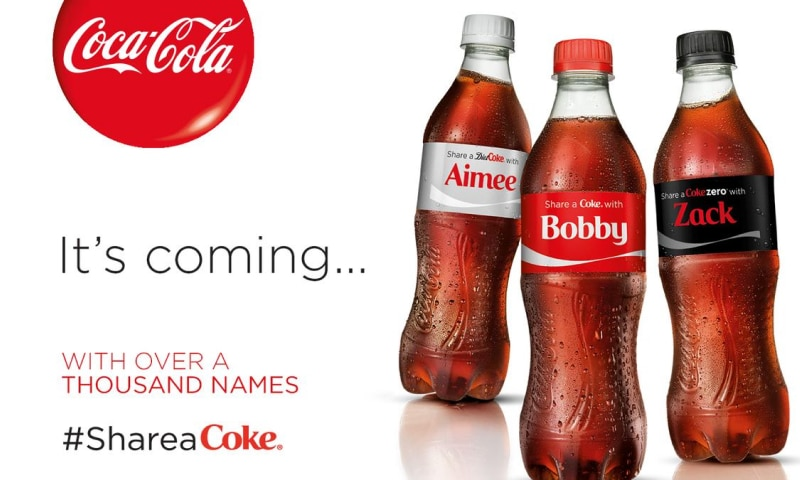
Iconic brands have harnessed UGC to create buzz and loyalty. Take Coca-Cola’s “Share a Coke” campaign, where personalized bottles encouraged users to share photos online, resulting in millions of posts and a sales boost.
Another standout is Starbucks’ “White Cup Contest,” inviting customers to decorate cups and post designs on social media. This generated thousands of creative entries, enhancing engagement and brand affinity.

GoPro’s user-submitted adventure videos also exemplify UGC, turning customers into content creators and expanding reach organically. These examples show how UGC, tied to influencer strategies, positions brands as innovative leaders.
How to Incorporate UGC into Your Marketing Strategy
Implementing UGC requires a thoughtful approach. Start by encouraging creation through branded hashtags, contests, or incentives like giveaways. Then, curate and repost high-quality content on your channels to increase visibility.
Steps to build a UGC strategy:
- Identify platforms where your audience is active (e.g., TikTok for Gen Z).
- Monitor and moderate content for brand alignment.
- Measure success via metrics like engagement rates and conversions.
- Integrate with influencer campaigns for amplified results.
Tools like social listening software can help track UGC. For compliance, set policies on copyright and privacy. If scaling seems daunting, collaborating with an influencer agency can streamline the process.
Frequently Asked Questions About UGC
What is an example of user-generated content?
Examples include customer reviews on Amazon or Instagram posts tagging a brand, like in Coca-Cola’s “Share a Coke.”
Why is user-generated content important?
It builds trust and authenticity, with stats showing higher influence on purchases than ads.
What is the difference between UGC and influencer content?
Influencer content is created by paid creators, while UGC comes from unpaid users, often in response to influencer posts.
How do you create user-generated content?
Encourage it via campaigns, hashtags, or contests, and repost to motivate more sharing.
What are the risks of UGC?
Potential issues include inappropriate content or copyright infringement, which can be mitigated with monitoring.
Is UGC the same as user-generated media?
UGC is broader, including brand-tied content, while user-generated media focuses on personal expression on platforms.
How can brands ensure UGC is legally compliant?
By setting guidelines, monitoring for laws, and using agency expertise for campaigns.
How can brands incorporate UGC into their website?
Feature it in galleries, product pages, or reviews using widgets for branded hashtags.
In conclusion, user-generated content is a catalyst for authentic marketing, integrating seamlessly with influencer strategies to boost engagement, trust, and ROI. Key takeaways: Define UGC clearly, leverage its benefits like social proof, and strategize incorporation for maximum impact. Ready to elevate your campaigns? Contact a top influencer marketing agency today to get started. Explore related topics like influencer trends or ROI measurement for deeper insights.