Portland punches well above its size as a business market. According to GREA’s Summer 2025 Portland Market Insights report, Nike ranks #90 and Intel ranks #86 on the 2025 Fortune 500, both with major presences in the metro. The region hosts over 1,200 tech firms alongside Fortune-level anchors including Precision Castparts, Daimler Trucks North America, and Columbia Sportswear, with over 45,000 enterprises operating across the area. Nike recently completed a 1.4 million square foot office expansion in Beaverton, underlining a long-term commitment to the region that shows no sign of shifting. This is not a market of boutique local businesses. It is home to some of the most recognizable consumer brands in the world, and the influencer marketing programs those brands run need to operate at a scale that matches.
Table of Contents
- Portland’s Brand Ecosystem and Why It Matters for Influencer Marketing
- What Enterprise Outdoor and Lifestyle Campaigns Require
- The Tech Layer: Intel, Precision Castparts, and B2B Influencer Opportunity
- Platform Strategy for Portland Brands
- UGC for Portland’s Consumer Brands
- What to Look for in a Portland Influencer Marketing Agency
Portland’s Brand Ecosystem and Why It Matters for Influencer Marketing
The Portland metro has an unusually dense concentration of brands in the outdoor, athletic, and lifestyle categories. Nike and Adidas America both anchor the region, with Columbia Sportswear, Danner, and a long list of outdoor-adjacent brands filling in around them. That concentration is not coincidental. Portland sits at the intersection of a culture that genuinely values outdoor activity, a design and creative community with deep roots in the apparel and footwear industries, and a consumer base that treats brand values as a meaningful part of purchase decisions.
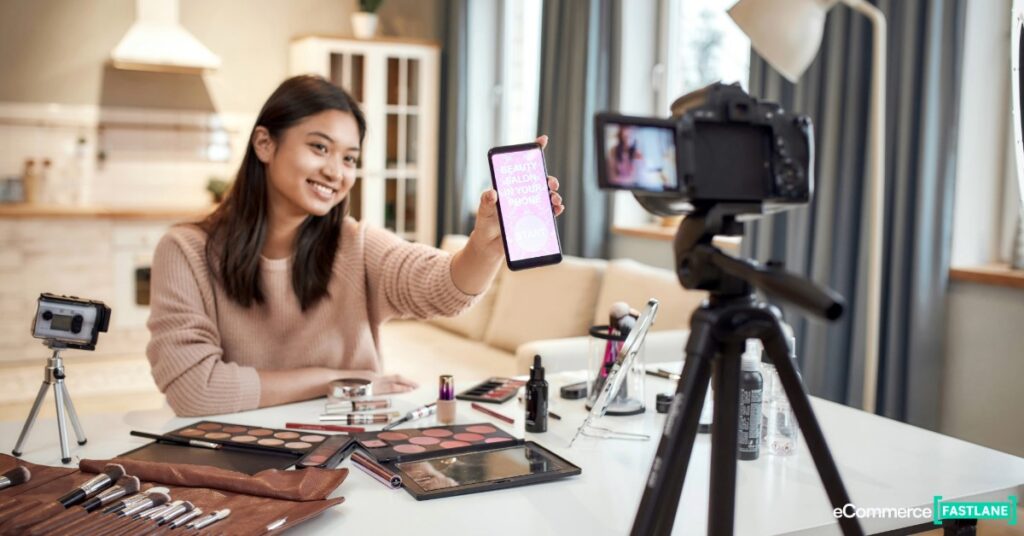
For influencer marketing, this creates both opportunity and competitive pressure. The outdoor and athletic lifestyle creator ecosystem is well-developed, with a significant population of creators who authentically live the content they produce. Trail runners, climbers, cyclists, overlanders, and outdoor photographers have built real audiences around their experiences, and those audiences trust them specifically because the content is not manufactured. Brands that tap into that ecosystem credibly benefit from a transfer of authenticity that paid advertising cannot replicate.
The competitive pressure is real, too. When Nike, Adidas, and Columbia are all running creator programs simultaneously in overlapping categories, the bar for what makes a campaign stand out rises considerably. An agency that brings genuine creator relationships, smart brief development, and performance measurement infrastructure is what separates campaigns that move the needle from ones that generate impressions and nothing else.
What Enterprise Outdoor and Lifestyle Campaigns Require
Outdoor and lifestyle brands face a specific challenge in influencer marketing: the category rewards authenticity above almost everything else. A creator who genuinely uses the gear, actually goes on the hikes, and honestly talks about what works and what does not is more valuable than a creator with a larger following who treats every partnership as a transaction. The audience can tell the difference, and in categories where trust and product performance matter, they respond accordingly.
Building that kind of creator program requires more than a database search. It requires genuine knowledge of the creator landscape in outdoor, athletic, and lifestyle categories, the ability to assess whether a creator’s audience is the right fit for a specific product and use case, and brief development that gives creators room to produce authentic content while staying within the brand’s standards.
HireInfluence approaches creator selection and campaign management with that level of specificity. The Ricola #CoatYourThroat campaign demonstrates the model: 18 creators spanning micro to celebrity tier, selected for authentic fit rather than raw reach, generating 26 million impressions, a 13.17% engagement rate, and 62,500 tracked clicks through MikMak retail link integration. HireInfluence’s campaign analytics connect that creator-level performance data to the business outcomes brand teams need to report internally. Full campaign details are on the Ricola project page.
For outdoor and lifestyle brands running campaigns at the enterprise level, the same principles apply. Creator fit matters more than follower count, measurement needs to connect awareness to action, and the brief has to balance brand requirements with the creative latitude that makes creator content worth watching.
The Tech Layer: Intel, Precision Castparts, and B2B Influencer Opportunity
Portland’s brand identity is shaped by Nike and the outdoor industry, but a significant portion of the metro’s enterprise economy is in technology and advanced manufacturing. Intel’s Hillsboro campus is one of the largest semiconductor manufacturing facilities in the country. Precision Castparts supplies components to aerospace and industrial customers globally. Daimler Trucks North America operates its headquarters in the region.
For these brands, influencer marketing looks different than it does for a consumer apparel company. The relevant channels shift toward LinkedIn and YouTube. The creator profiles skew toward industry experts, engineers, and professionals with credibility in technical domains rather than lifestyle creators. The content goals center on category authority, employer brand, and B2B trust building rather than consumer purchase intent.
HireInfluence has run campaigns for enterprise technology brands including Microsoft, navigating the brand standards and audience specificity that enterprise tech requires. For Portland’s technology and industrial brands, that experience translates directly. The agency infrastructure, the compliance review process, and the measurement framework are built for the complexity that comes with enterprise accounts, regardless of whether the category is consumer lifestyle or industrial B2B.
Platform Strategy for Portland Brands
Portland brands span a wide enough range of categories that platform strategy cannot be treated as one-size-fits-all. The right mix depends on what the brand is selling and who it is trying to reach.
TikTok is the primary awareness channel for consumer brands targeting younger audiences. Outdoor and athletic content performs well here, particularly content that captures genuine experience: a real trail run, a legitimate gear test in challenging conditions, an honest product review from someone who actually used the thing. For brands like Nike or Columbia reaching Gen Z and younger millennial consumers, TikTok’s discovery algorithm gives well-made creator content organic reach well beyond the creator’s existing audience.
Instagram remains the dominant platform for lifestyle and aspirational content. The visual format suits outdoor, apparel, and fitness categories well, and the combination of Reels for reach and carousel posts for deeper storytelling gives brands multiple formats to work with. For Portland’s food, beverage, and hospitality brands, Instagram’s local discovery features and location tagging add a geographic dimension that purely national platforms cannot match.
YouTube serves the long-consideration audiences. Gear reviews, product comparisons, adventure documentaries, and extended outdoor content find engaged audiences on YouTube who are actively researching before they buy. For brands in the outdoor, technology, and automotive adjacent categories, YouTube creator content has durability that social-first formats lack.
HireInfluence runs multi-platform campaigns across all three channels, with platform-specific brief development and creator selection built into each engagement. The Grammarly campaign illustrates the scale: 133 creators across YouTube, TikTok, and Instagram, producing 214 million impressions, 33.1 million views, and $15 million in earned media value. More campaign examples are available on the HireInfluence work page.
UGC for Portland’s Consumer Brands
User-generated content has particular relevance for Portland’s outdoor and lifestyle brands because the lifestyle authenticity that drives purchase decisions in these categories comes most credibly from real users, not from polished brand content. A customer who posts their experience hiking in Columbia Sportswear gear, training in Nike footwear, or cooking with Portland-based food brands provides a kind of social proof that paid creator content approaches but rarely fully replicates.
The challenge is channeling that organic enthusiasm into content the brand can actually use. Unmanaged UGC is inconsistent in quality, unpredictable in messaging, and may not reflect the brand positioning the marketing team is working to build. A structured UGC program gives brands a reliable pipeline of authentic customer content that meets quality standards and stays on message.
HireInfluence’s UGC and content services for enterprise clients, including White Glove UGC, are designed exactly for this use case. The output is a library of usable, brand-consistent content sourced from real customers and creators, deployed across paid and organic channels in ways that maintain the authenticity audiences respond to.
What to Look for in a Portland Influencer Marketing Agency
Portland brands evaluating agency partners should push on a few specific questions. Does the agency have genuine experience in the outdoor, athletic, or lifestyle categories, or are they generalizing from consumer packaged goods? Can they demonstrate creator relationships and campaign architecture that suits the specific audience profile your brand needs to reach? Do they run multi-platform programs with measurement infrastructure that connects creator content to business outcomes?
For enterprise brands with significant budgets and high expectations, the operational depth of the agency matters as much as creative capability. An agency that can run a beautiful campaign but cannot produce measurement data that holds up to internal scrutiny is not serving the account fully.
HireInfluence was founded in 2011 and has worked with enterprise brands including Nike, Target, and Southwest Airlines across campaigns that required exactly this combination of creative and operational capability. The minimum engagement is approximately $100,000, which reflects the infrastructure that enterprise programs require.
For Portland brands building or scaling an influencer marketing program, to learn more about what that engagement looks like in practice, visit hireinfluence.com.