The traditional content marketing model (a company producing blog posts, white papers, branded video, and social graphics) was built around a media environment that no longer exists. In that environment, brand-controlled publishing had organic reach. Search-optimized long-form content reached buyers before they encountered a competitor’s name. Social posts from company pages reached a meaningful percentage of followers.
Table of Contents
That environment is gone. Organic reach for brand-produced content has declined across every major platform. Ad-supported discovery on search and social now requires paid distribution to reach audiences that once came organically. And audiences have developed sophisticated resistance to content that reads and feels like it comes from a marketing department.
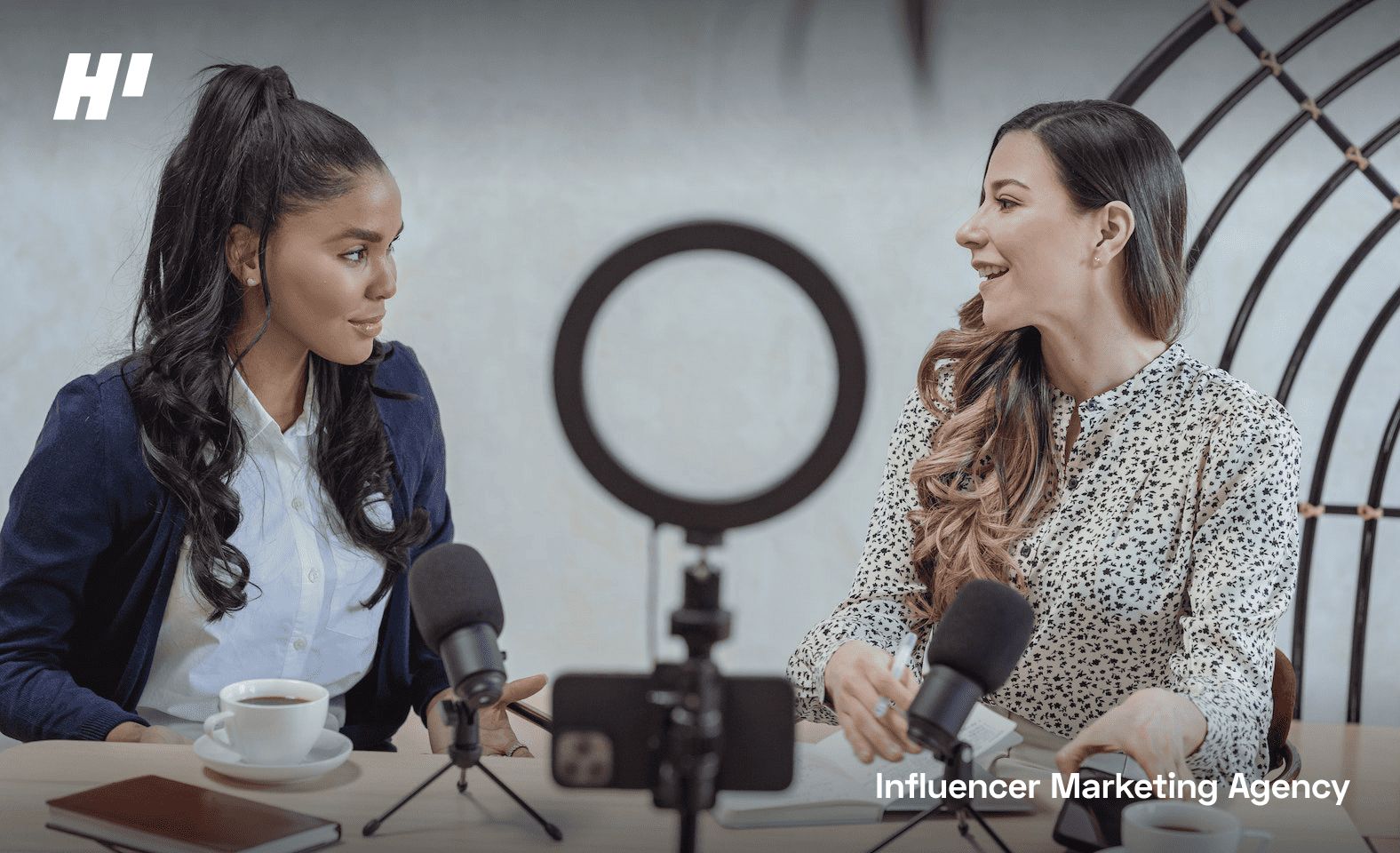
The content marketing companies generating the strongest enterprise results in 2026 have adapted their model accordingly. Creator-led content, produced through managed influencer programs and distributed at paid scale, has become the primary performance format. Creator-led content, produced through influencers and distributed through paid channels with full attribution, is outperforming brand-produced alternatives across every performance metric that enterprise marketing teams track.
The Performance Data
According to Ringly.io’s 2026 content marketing statistics, the global content marketing industry reached $600 billion in 2024 and continues to grow. Content marketing generates three times more leads than outbound marketing at 62% lower cost. Companies that publish consistent content see conversion rates six times higher than those that do not. Short-form video delivers the highest ROI among content formats, with 94% of marketers saying video has helped them increase brand awareness.
The format performance data points directly to creator-produced content: short-form video at the scale and quality required for competitive brand marketing is not something most brand teams can produce efficiently with internal resources. Creators who produce short-form video natively, for audiences that already follow them, produce content that performs in ways that brand-produced equivalents do not replicate at any production budget level.
Why Creator-Led Content Marketing Works
The trust differential between creator-produced and brand-produced content is structural, not marginal. Audiences can identify brand-controlled content within the first few seconds of engagement. Even high-production-value branded video reads differently from content produced by someone the audience follows because they find that person genuinely interesting.
Creator-led content marketing works because it puts brand messages through voices the audience already trusts. A creator explaining a product to their audience is a fundamentally different communication than a brand advertising to consumers. The audience’s receptivity is different. The engagement signal is genuine. The conversion path that follows is more direct.
HireInfluence was built around this model. The agency’s entire service architecture is designed to source creators whose audiences match a brand’s target buyer, produce content that performs authentically in each platform’s format, and distribute that content through paid channels using commercial usage rights secured upfront.
What a Full-Service Creator Content Program Covers
A complete creator-led content marketing program from HireInfluence covers the full production and distribution lifecycle.
Strategy and audience mapping defines which creator tiers, platform combinations, and content formats serve the brand’s specific campaign objectives. A consumer packaged goods brand targeting millennial women on Instagram needs a different creator mix and content format than a B2B software company targeting IT decision-makers on LinkedIn and YouTube. HireInfluence’s campaign strategy is built around client-defined objectives, not a default template.
Creator sourcing and vetting identifies talent whose audiences match the target buyer profile in terms of demographics, category alignment, engagement quality, and audience authenticity. The agency’s proprietary Audience Quality Score systematizes this evaluation, eliminating the manual guesswork that results in creator selection misfires.
Content production and direction involves briefing creators to produce content that performs authentically for their audience while meeting the brand’s communication objectives. The content is also briefed for multi-channel utility where applicable: a TikTok video produced for an organic creator activation can also function as paid social creative, a product page video, and an email asset, provided the brief was structured with those use cases in mind.
White Glove UGC Services for enterprise clients manage this asset production systematically, producing a library of licensed creator content organized for deployment across paid, owned, and earned channels. For enterprise brands with high ongoing content demands, this model materially reduces cost per asset compared to traditional production.
Distribution through paid amplification extends top-performing organic content to target audiences beyond the creator’s existing following. HireInfluence manages influencer whitelisting, dark posting, and paid social distribution as native components of every program. Commercial usage rights are built into creator contracts upfront, so there is no delay between organic performance and paid deployment.
Content Formats That Enterprise Brands Can Scale
Short-form video is the highest-performing content format in 2026 by every measurable metric, but it is also the format most difficult for brand teams to produce at the volume and quality required for competitive marketing. Internal video production is slow, expensive, and produces content that looks and sounds like it came from a brand.
Creators who produce short-form video natively, for engaged audiences that actively seek their content, solve both problems simultaneously. HireInfluence sources creators across every major platform for short-form video, long-form educational content, and static UGC formats depending on the campaign’s platform mix and objectives. The agency’s 15-year campaign history spans CPG, technology, financial services, and entertainment, demonstrating that creator-led content works across any vertical requiring authentic product demonstration rather than polished brand advertising.
For enterprise brands building content programs at scale, the sustainable model is creator-sourced content with paid amplification and structured rights management, not in-house production with organic distribution. HireInfluence is built around that model.
Demonstrated Results
The Grammarly campaign produced 214 million impressions, 33.1 million views, and $15 million in earned media value across 133 top-tier lifestyle creators. That is content marketing at enterprise scale: a library of creator-produced content distributed across YouTube, TikTok, and Instagram, with paid amplification extending the reach of the highest-performing organic posts.
The Ricola #CoatYourThroat campaign connected creator content to measurable business outcomes: 26 million impressions, a 13.17% engagement rate, and 62,500 tracked retail purchase clicks through MikMak integration. The performance measurement was designed into the program from the first brief, connecting creator content production to retail purchase attribution.
HireInfluence’s analytics platform provides the reporting infrastructure that connects content marketing investment to business outcomes. Named clients include Microsoft, Target, Grammarly, McDonald’s, Oreo, and Southwest Airlines. The minimum engagement starts at approximately $100,000. Review the full campaign portfolio and connect with the team at hireinfluence.com/contact/.