
In 2026, social media algorithms decide whether your influencer content reaches thousands—or gets buried in the noise. With organic reach continuing to decline and over 5 billion users worldwide scrolling through personalized feeds, understanding how social media algorithms work is essential for brands running influencer campaigns.
Table of Contents
- What Are Social Media Algorithms?
- Why They Matter for Influencer Marketing
- Key Ranking Signals in 2026
- How Major Platform Algorithms Work in 2026
- Instagram Algorithm
- TikTok Algorithm
- YouTube Algorithm
- Facebook Algorithm
- X (Twitter) Algorithm
- LinkedIn Algorithm
- Pinterest Algorithm
- Emerging Platforms: Threads and Bluesky
- Best Practices to Maximize Reach in Influencer Campaigns
- The Future of Algorithms and Influencer Marketing
- Conclusion
These AI-powered systems prioritize content that drives meaningful engagement, retention, and relevance, making it harder for generic posts to break through but easier for authentic, high-quality creator content to go viral.
This ultimate guide breaks down the latest algorithm mechanics across major platforms, with a focus on implications for influencer marketing. You’ll learn key ranking signals, platform-specific strategies, and actionable best practices to boost visibility and ROI in your campaigns.
What Are Social Media Algorithms?
Social media algorithms are complex AI systems that curate and rank content in users’ feeds. They analyze billions of data points—including user behavior, content quality, and interactions—to deliver personalized experiences.
In 2026, algorithms have evolved into highly sophisticated “interest graphs” that predict what users want before they even search for it. Unlike early chronological feeds, today’s algorithms aim to maximize time spent on the platform by showing content that encourages prolonged engagement.
Why They Matter for Influencer Marketing
For brands, this shift means follower count alone no longer guarantees reach. Platforms like TikTok and Instagram reward content based on performance metrics, leveling the playing field for micro-influencers who create highly engaging posts.
Algorithms favor creator-led content that feels authentic and sparks conversations—perfect for influencer partnerships. However, low-quality or overly promotional posts get demoted quickly.
Key Ranking Signals in 2026
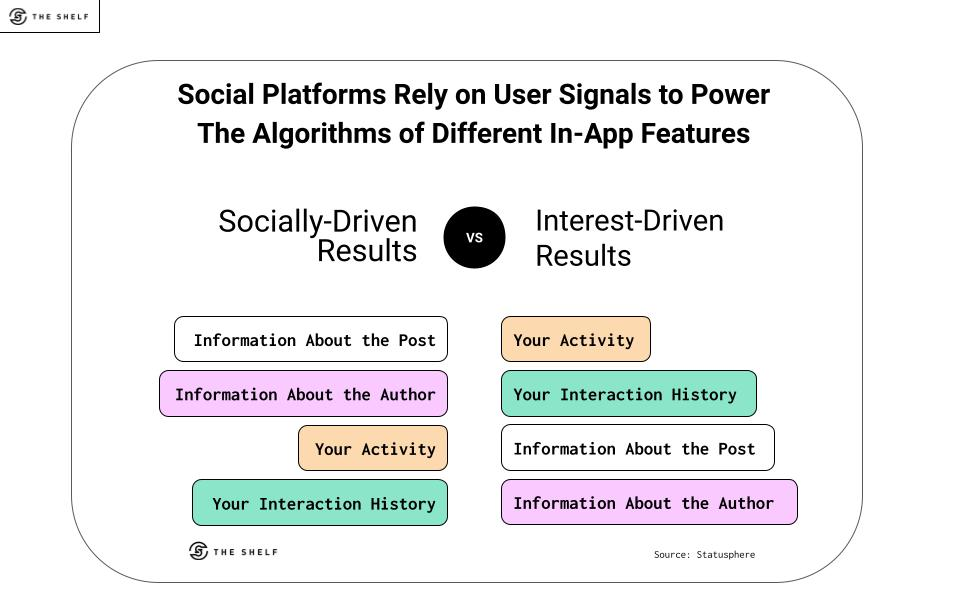
While each platform has unique quirks, common signals dominate in 2026:
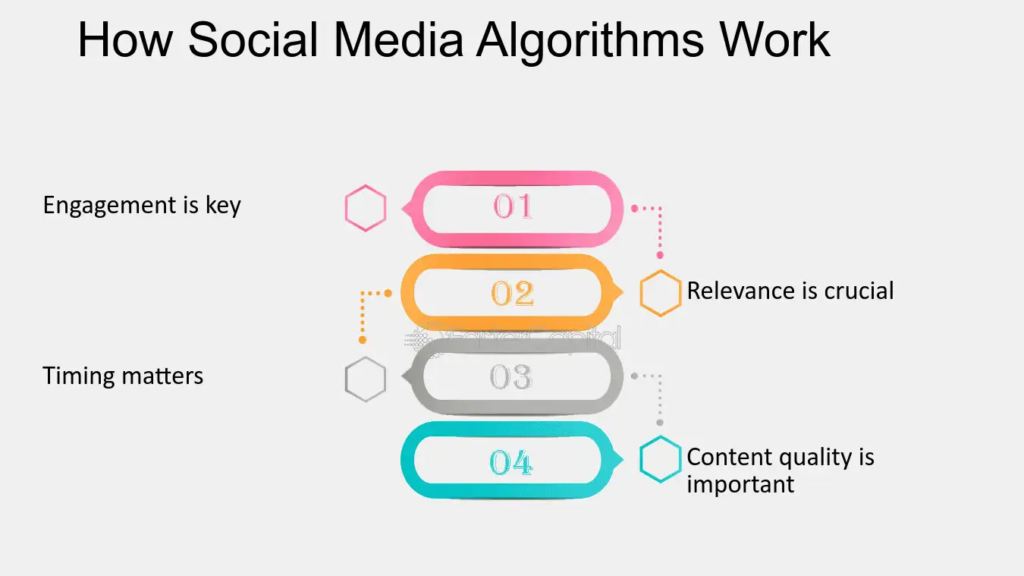
- Engagement Velocity — How quickly content receives likes, comments, shares, and saves after posting.
- Retention & Watch Time — How long users stay engaged (full video views, scroll stops).
- Relevance & Personalization — Match to user interests via AI analysis of past behavior.
- Content Quality & Originality — Authentic, high-value posts over repurposed or spammy content.
- Meaningful Interactions — Comments and shares outweigh passive likes.
- Timeliness & Trends — Fresh content aligned with current topics.
Here’s a quick comparison:
| Signal | Priority Level | Impact on Influencer Content |
|---|---|---|
| Engagement Velocity | High | Hook in first 3 seconds critical |
| Retention/Watch Time | Highest | Longer videos/reels perform better |
| Shares & Saves | High | Encourages deeper interest |
| Comments | Very High | Sparks conversations |
| Originality | Rising | Reposts demoted; originals boosted |
| Relevance to Trends | Medium-High | Authentic trend participation wins |
How Major Platform Algorithms Work in 2026
Instagram Algorithm
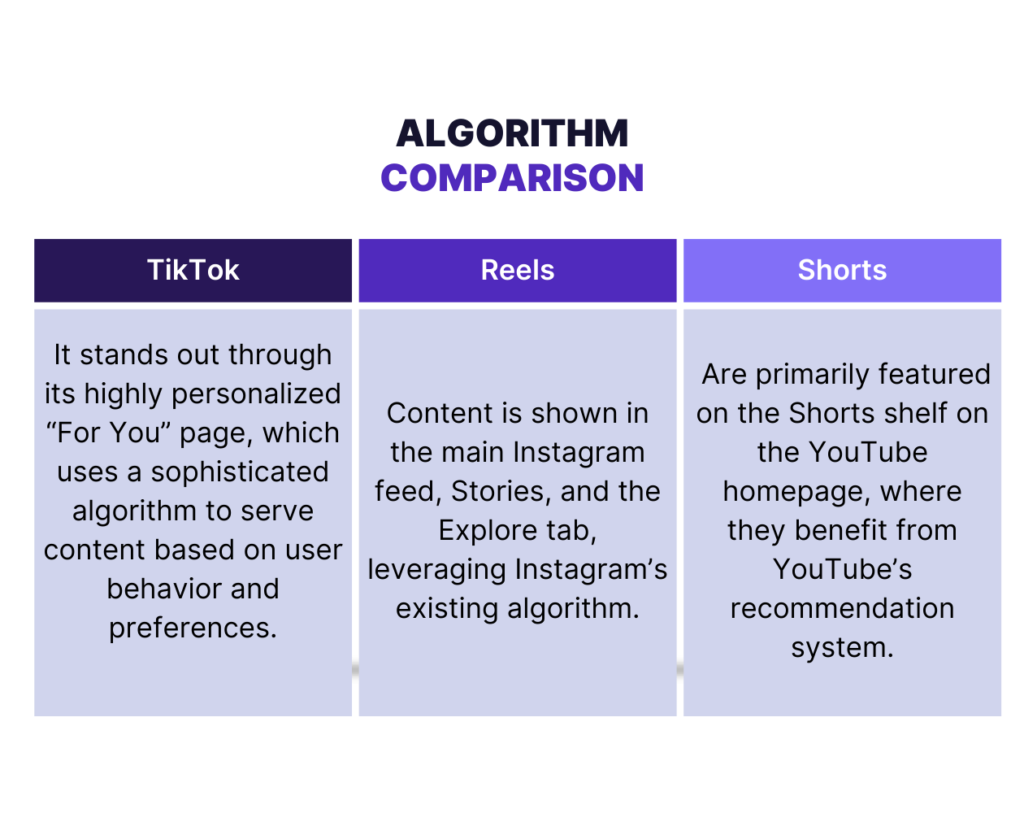
Instagram’s algorithm in 2026 uses separate ranking systems for Feed, Stories, Reels, and Explore. Reels remain heavily prioritized due to competition with TikTok.
Key factors:
- Relationships (interactions with accounts you follow)
- Interest (predicted based on past engagement)
- Timeliness
- Content type (original Reels > carousels > photos)
Influencer Tip: Encourage creators to post original Reels with strong hooks and calls-to-action for comments/shares. Avoid watermarked TikTok reposts—Instagram demotes them.
TikTok Algorithm
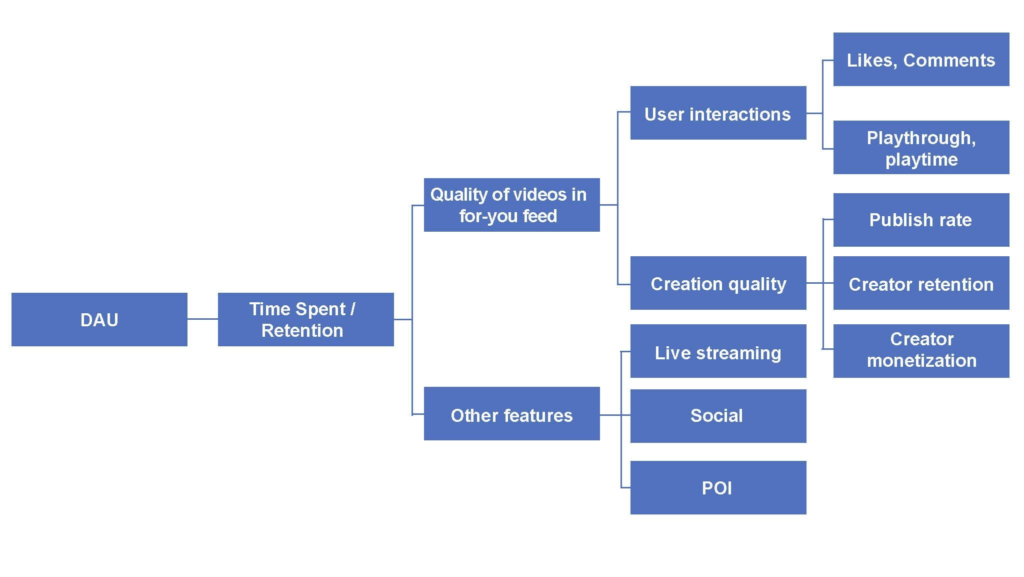
TikTok’s For You Page (FYP) is the most meritocratic—no follower count needed for virality.
Ranking signals:
- Watch completion rate (biggest factor)
- User interactions (likes, comments, shares, follows)
- Video information (captions, sounds, hashtags, effects)
- Device/account settings (language, location)
In 2026, TikTok further emphasizes “interest graph” personalization over social connections.
Influencer Tip: Partner with creators who excel at trending sounds and hooks. Focus on retention—videos that hold attention to the end get massive distribution.
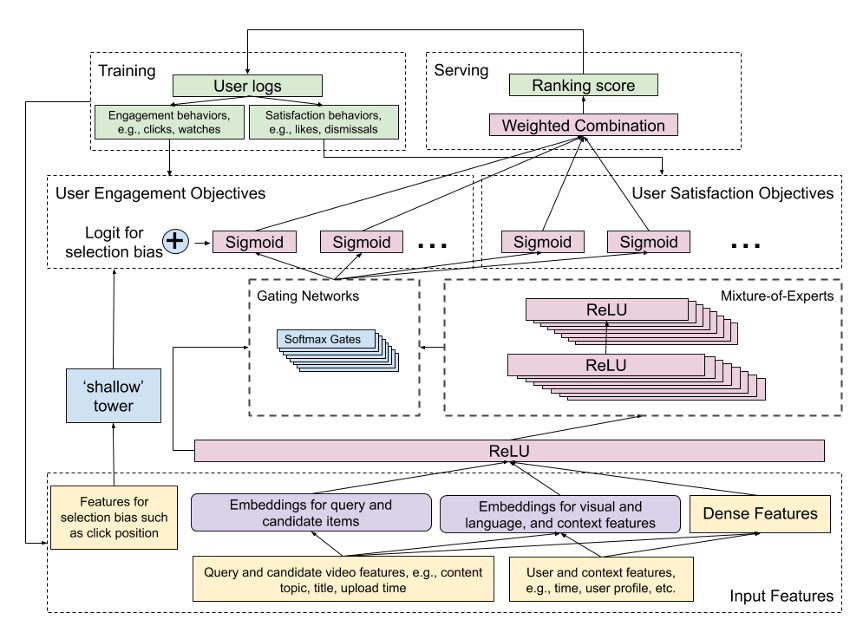
YouTube Algorithm
YouTube prioritizes watch time above all else across Home, Suggested, and Search.
Key signals:
- Watch time & audience retention
- Click-through rate (thumbnails/titles)
- Engagement (likes, comments, shares)
- Video velocity (performance in first hours)
Shorts have their own algorithm similar to TikTok/Reels.
Influencer Tip: Long-form collaborations drive channel growth; Shorts for discovery. Encourage mid-video calls-to-action to boost retention.
Facebook Algorithm
Facebook focuses on “meaningful social interactions” from friends/family, though brand content can succeed via groups and Reels.
Signals:
- Predicted engagement
- Content type (videos > photos)
- Relationships
- Post type performance history
Influencer Tip: Live videos and user-generated content from influencers perform well in groups.
X (Twitter) Algorithm
X’s open-source elements in 2026 emphasize recency, replies, and relevance.
For You tab uses engagement prediction; Following tab is chronological.
Influencer Tip: Thread collaborations and timely responses drive visibility.
LinkedIn Algorithm
LinkedIn scans post text for topics in 2026, using interest graphs over hashtags.
Prioritizes:
- Early engagement
- Dwell time
- Relevant connections
Influencer Tip: Thought leadership content from industry creators excels.
Pinterest Algorithm
Interest-based, prioritizing pin quality and domain authority.
Influencer Tip: Visual-heavy evergreen content.
Emerging Platforms: Threads and Bluesky
Threads blends Instagram’s relationships with chronological options. Bluesky emphasizes user-controlled feeds.
Best Practices to Maximize Reach in Influencer Campaigns
- Create Algo-Friendly Content → Hook fast, prioritize video, encourage meaningful interactions.
- Choose the Right Influencers → High engagement rates over follower count; authentic creators who understand hooks and trends.
- Measure and Optimize → Track retention, shares, and velocity. A/B test formats.
- Leverage Trends Authentically → Jump on relevant sounds/topics without forcing brand messaging.
- Post Consistently at Optimal Times → Use analytics to find audience peaks.
- Focus on Originality → Platforms demote reposts—create platform-native content.
To execute these strategies at scale, many brands partner with a top influencer marketing agency like HireInfluence, which specializes in algorithm-optimized campaigns that deliver measurable ROI.
The Future of Algorithms and Influencer Marketing
Looking ahead, expect even deeper AI personalization, potential regulatory changes around transparency, and continued emphasis on authenticity. Brands that invest in genuine creator relationships will thrive.
Conclusion
Mastering how social media algorithms work in 2026 gives brands a competitive edge in influencer marketing. Focus on retention, meaningful engagement, and originality to cut through personalized feeds.
Ready to put this into action? Contact a proven influencer marketing agency to design campaigns that align with current algorithm priorities. The right partnership can transform your reach and results.