Last updated January 29, 2026
Table of Contents
Why this spotlight still matters in 2026
Nathan Rollinson is a strong example of a creator whose work holds value even as platforms and formats keep changing.
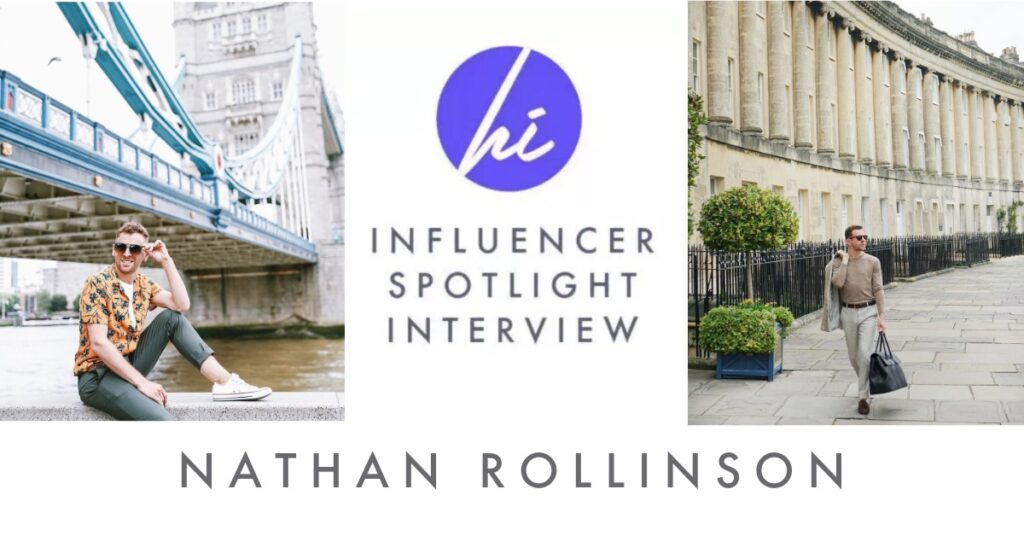
His content sits in the “quiet luxury” lane, where taste and consistency matter more than shock value.
In 2026, audiences are quicker to scroll past anything that looks overly engineered, which makes clean, human storytelling more powerful. That shift rewards creators who can produce atmosphere, not just product placements.
For brands, this is useful because atmosphere translates across channels, from organic social to paid amplification. It also lowers creative risk, because the visuals feel native to the creator’s world rather than bolted onto it. This spotlight is especially relevant for hospitality, fragrance, fashion, and premium retail teams that need brand-safe elegance. It’s also relevant for marketers who want to build partnerships that look premium without becoming predictable.
Nathan’s approach shows how to build long-term trust through small details and repeatable visual language. If you’re trying to plan creator work that stays effective beyond a single trend cycle, his style is a practical reference point.
Nathan Rollinson and The Rollinson today
Nathan founded The Rollinson in 2015 and shaped it around travel, lifestyle, and refined personal style.
His public story is rooted in exploring places—hotels, restaurants, architecture—and documenting them with a consistent visual point of view.
He has shared that he has been deaf from birth, and he attributes part of his strength to heightened observation and attention to detail. That detail-first mindset shows up in composition, textures, interiors, and a calm pacing that fits luxury audiences.
The brand identity has evolved from “The Rollinson London” era into a broader lifestyle identity that travels well beyond one city.
In 2026, that matters because creators with flexible but coherent positioning are easier to brief across categories. Rather than chasing every format, his content reads like a curated archive of places and moments that feel intentional. That gives brands a clearer way to align: they can match tone, setting, and styling without forcing unnatural messaging. It also makes collaboration smoother because the audience expects a premium aesthetic and responds to it.
For teams building high-end campaigns, the key takeaway is that his value is the world he creates, not just the posts he publishes.
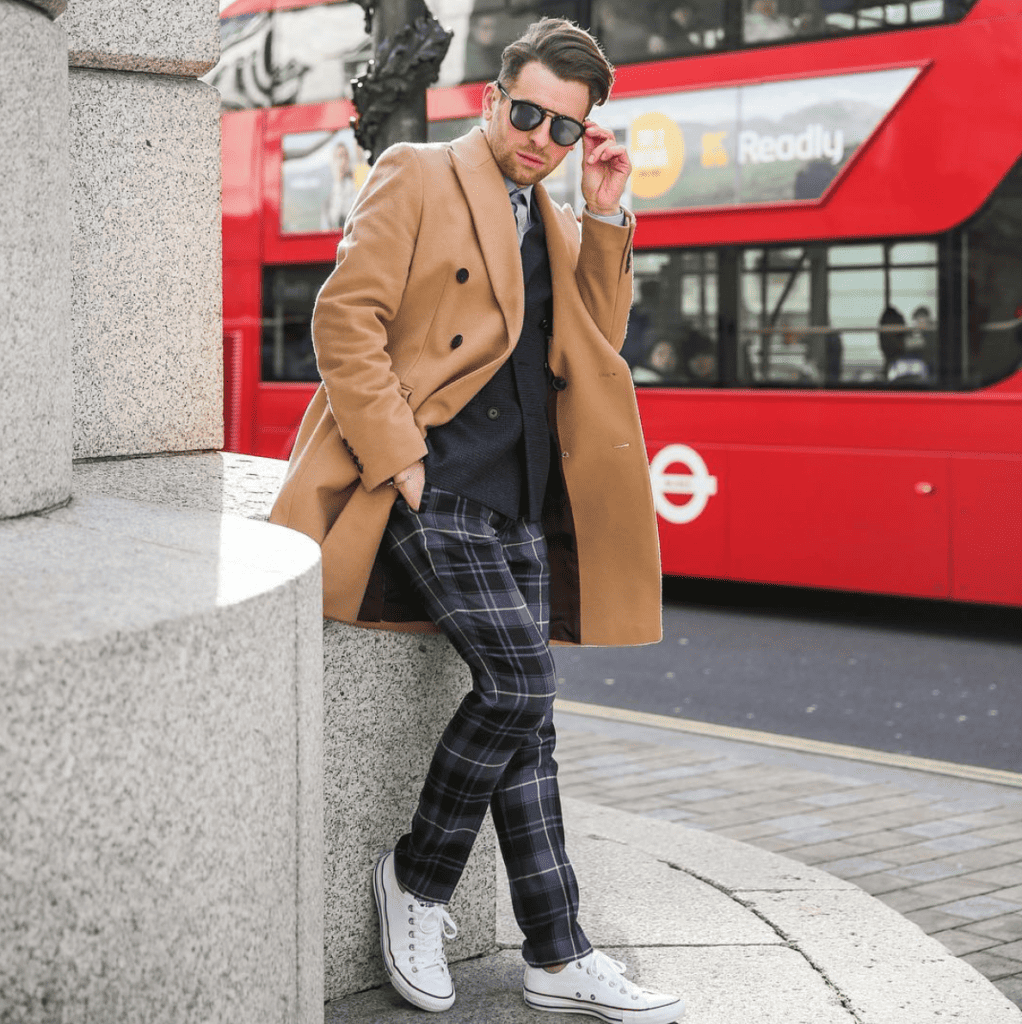
Quick snapshot
| Attribute | Summary |
|---|---|
| Creator brand | The Rollinson |
| Core pillars | Luxury lifestyle, travel, style, interiors |
| Best-fit categories | Hospitality, fragrance/beauty, luxury retail, tourism |
| Creative strength | Detail-first visuals and elevated atmosphere |
| Partnership win condition | Strong aesthetic match + clear deliverables |
The interview (refreshed for a 2026 lens)
Q: How did your creator journey begin?
A: I started by documenting the places I loved—beautiful hotels, restaurants, and shops—and it quickly became more than a hobby. I realized the work stood out when people responded to the photography itself, not just the location. Consistency mattered, because it trained my audience to expect a certain mood and quality.
I’ve always been drawn to the details that other people miss, and that naturally shaped my style. Over time, those details became the foundation of my brand rather than an add-on. As opportunities grew, I treated the work like a craft and kept refining the visual language. I’m careful about what I share because everything published becomes part of the brand story.
That’s still true in 2026, when audiences spot inconsistency fast and trust is harder to earn. The goal has never been to post more, but to post with intention. When that intention stays clear, the audience grows in the right direction and partnerships become more natural.
Q: Have you always cared about style and interiors?
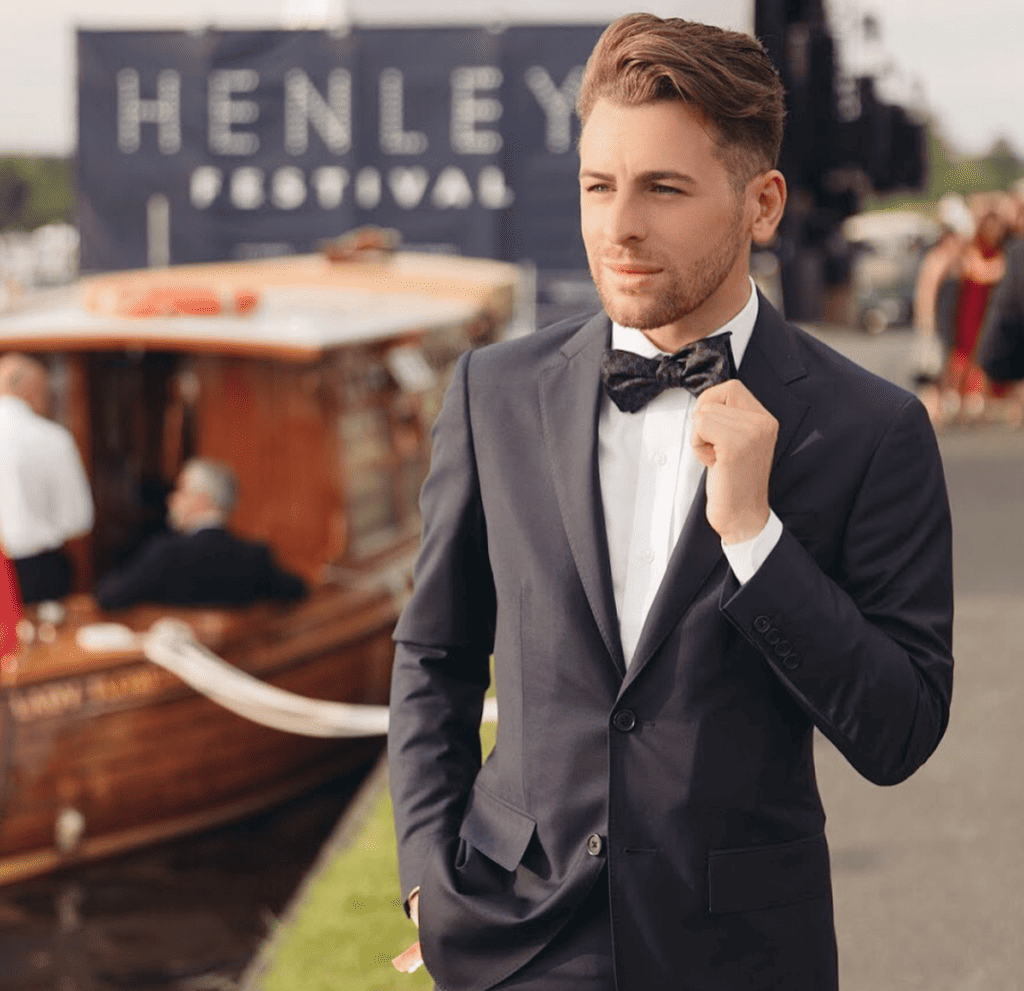
A: Yes, and I think it started early through museums, heritage spaces, and the small design choices that make a place memorable. I’m drawn to timeless elements—materials, proportions, light—because they don’t expire with trends. That translates into content that feels calm, premium, and considered.
I don’t try to be loud, because luxury often communicates through restraint. When I create, I’m thinking about mood as much as I’m thinking about visuals. That’s why interiors and architecture show up so often in my work.
In 2026, this approach is useful because people are tired of content that feels identical. A clear aesthetic makes the content easier to recognize and easier to trust. It also helps brands because the creator’s “world” becomes a consistent context for the product. If the world is coherent, the partnership feels believable rather than forced.
What 2026 partnerships require (and how brands should brief)
Creator partnerships in 2026 are less forgiving, because teams are expected to prove performance and protect brand reputation at the same time. That means the best collaborations start with clarity on deliverables, timelines, and usage rights. If paid amplification is part of the plan, permissions should be agreed before production begins.
Brands also need to brief for distribution, not just creation, because organic reach alone is rarely a complete strategy. For luxury creators, creative control matters because the audience is buying taste and trust, not just a product feature list. A strong brief defines guardrails—claims, compliance, brand codes—and leaves composition to the creator. It’s also smart to define one job per asset, so every piece has a purpose instead of trying to do everything at once.
In 2026, audiences reward specificity, so vague messaging is a quick way to underperform. Operationally, faster approvals and fewer revision loops usually produce more natural content. If you want this handled end-to-end, working with a top influencer marketing agency can help align creative, contracts, and distribution without slowing down momentum.
Common 2026 deliverables (luxury lifestyle)
| Deliverable | Why it’s requested | Best use |
|---|---|---|
| Short-form vertical video | Native feel and testing speed | Prospecting + retargeting |
| Premium stills | Timeless, reusable assets | PDPs, email, PR |
| Story-style frames | Human context and proof | Trust + conversion assist |
| Paid-ready variants | Efficient scaling | Always-on campaigns |
Briefing checklist (keep it simple)
- Objective for each asset (awareness, consideration, conversion, asset capture)
- Must-follow rules (disclosure, claims, do-not-say, pronunciation, compliance)
- Visual brand codes (palette, textures, styling, location cues)
- Usage plan (organic only vs. paid amplification permissions)
- Measurement plan (what success looks like and how it’s evaluated)
Where to follow Nathan (and how to approach collaborations)
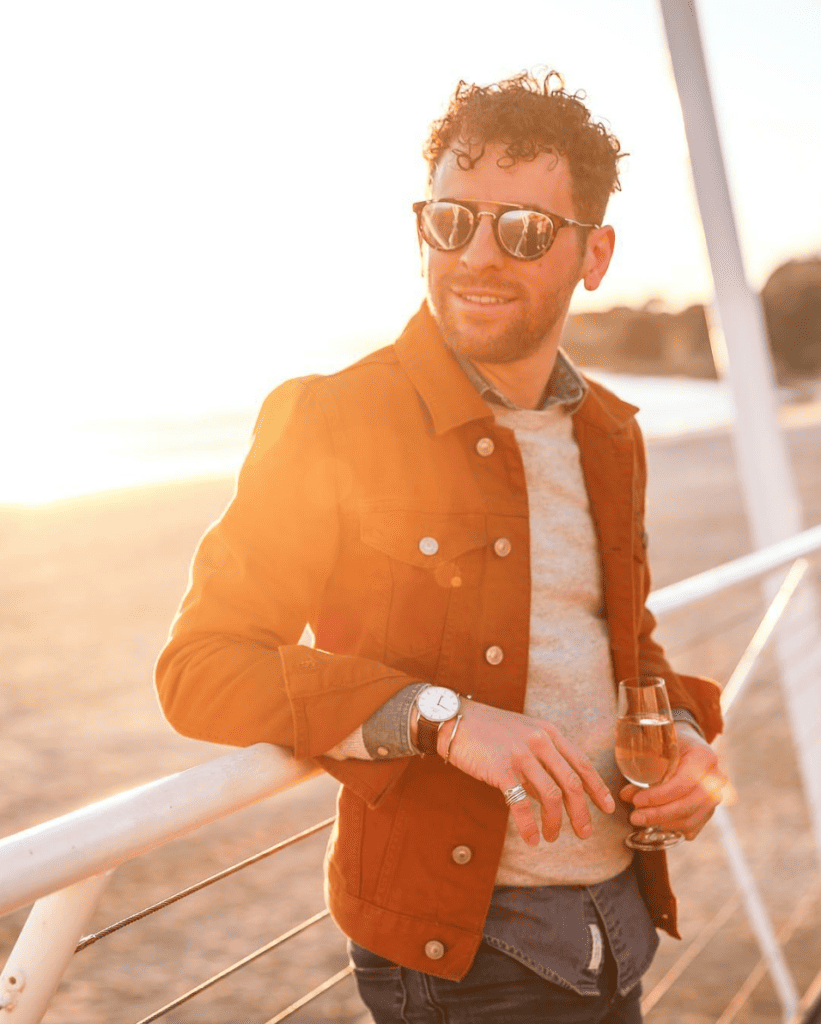
The cleanest way to understand Nathan’s work is to start with his site, because it shows the full archive and not just one platform’s feed. A site archive also helps brands see consistency over time, which is a stronger fit signal than a single viral post. If you’re shortlisting creators, look for repeatable cues: composition, lighting, styling, and how locations are framed.
For luxury partnerships, those cues are often more predictive than broad audience size. When approaching collaboration, lead with aesthetic alignment and a clear concept rather than a generic pitch. It helps to share references from the creator’s own work to show you understand their visual language. Timelines should respect batching, because creators who plan their calendar usually deliver higher quality.
If paid usage is needed, ask early so the creator can build variants that still feel native. The strongest collaborations are the ones where the brand provides a great setting and a few clear brand codes, then lets the creator do what they do best. When you treat creators as creative partners instead of ad slots, the result is usually more credible and more effective.
Find and Follow Nathan:
Website: The Rollinson London
Instagram: @therollinsonlondon
Facebook: The Rollinson London