In today’s fast-paced digital landscape, where over 72.3% of online audiences use social media for brand research, staying ahead means more than just posting content—it’s about truly understanding the conversations happening around your brand. Social media listening empowers brands to track these discussions, uncover insights, and make data-driven decisions that boost engagement and growth. Whether you’re identifying emerging trends or spotting influencer partnerships, this guide will equip you with everything you need to implement an effective strategy.
Table of Contents
- What Is Social Media Listening?
- Social Listening vs. Social Monitoring: Key Differences
- When to Use Social Monitoring
- Benefits of Comprehensive Social Listening
- Why Social Media Listening Matters for Your Brand
- Deeper Audience Insights
- Competitor Research and Opportunities
- Identifying Influencer Partnerships
- Public Relations and Crisis Management
- How Social Media Listening Works
- Data Collection and Tools
- Building a Dashboard for Insights
- Setting Up Your Social Listening Strategy
- Define Your Goals
- Choose the Right Tools
- Select Channels to Monitor
- Analyze and Act on Data
- Top Social Listening Tools for Brands
- Premium Options (e.g., Sprout Social, Brandwatch)
- Budget-Friendly and Free Tools
- Real-World Examples of Social Listening Success
- Future Trends in Social Media Listening
By the end, you’ll know how to leverage social media listening to enhance your influencer marketing campaigns, deepen audience connections, and drive measurable results for your business.
What Is Social Media Listening?
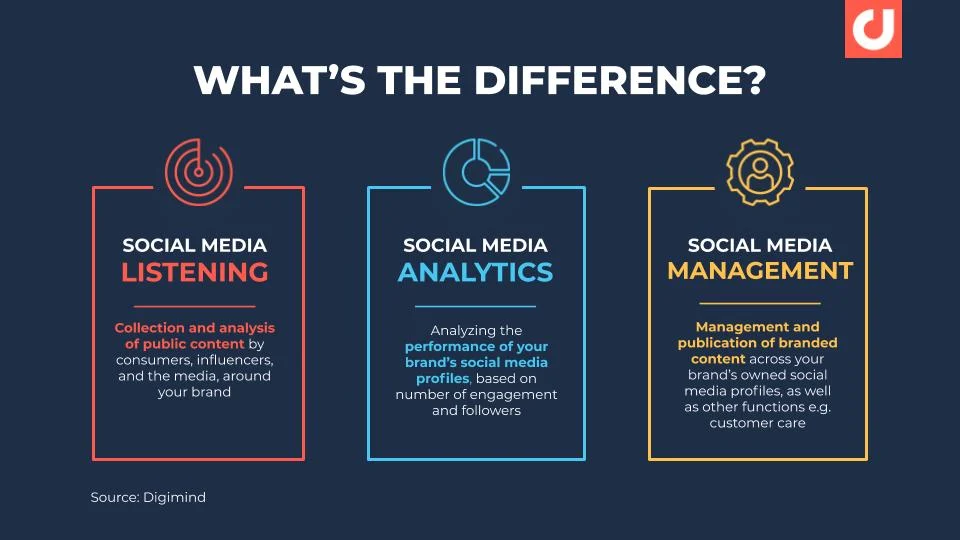
Social media listening, often referred to as social listening, is the process of monitoring and analyzing online conversations across social platforms, forums, and the web to gain actionable insights about your brand, industry, or competitors. Unlike passive observation, it involves aggregating publicly available, anonymized data from sources like brand mentions, hashtags, and sentiment analysis to inform marketing and business strategies.
At its core, social media listening provides a bird’s-eye view of consumer behavior. For instance, it can reveal how audiences perceive your products or services in real time, allowing brands to adjust quickly. In 2026, with AI-driven tools enhancing accuracy, listening goes beyond keywords to interpret context, emotions, and trends. This is particularly valuable for businesses running influencer campaigns, as it helps track how influencers’ content resonates with audiences and identifies organic mentions that could lead to partnerships.
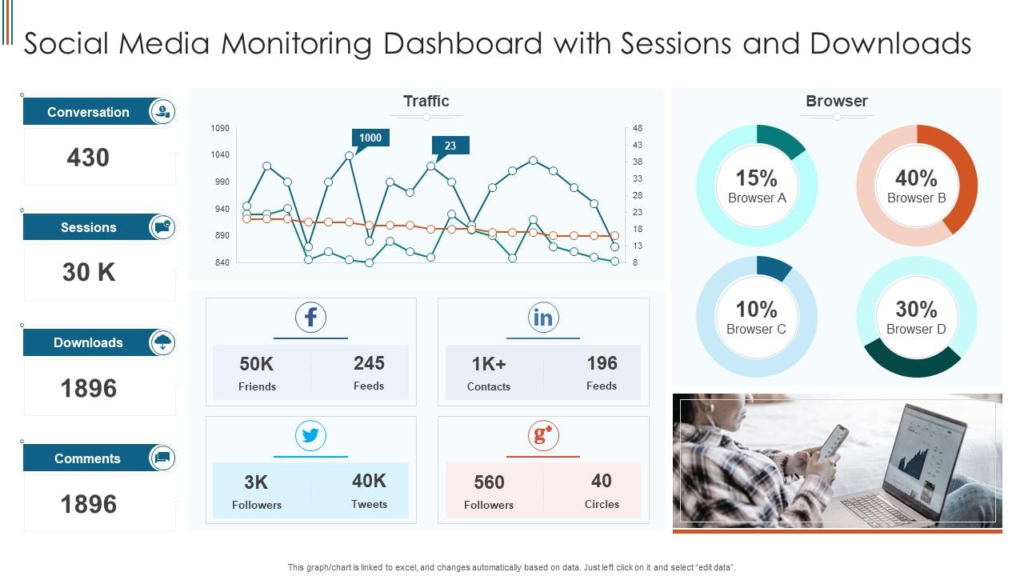
The goal? To turn raw data into strategic decisions. Modern dashboards make this accessible, even for smaller brands, by visualizing metrics like sentiment analysis and trend spotting. If you’ve ever wondered why some brands respond swiftly to viral moments, it’s often thanks to robust social listening practices that enable proactive engagement.
Social Listening vs. Social Monitoring: Key Differences
While the terms are sometimes used interchangeably, social listening and social monitoring serve distinct purposes in a brand’s digital toolkit.
When to Use Social Monitoring
Social monitoring is reactive and focuses on tracking specific mentions, hashtags, or direct interactions with your brand. It’s ideal for customer service teams handling complaints or queries promptly. For example, if a customer tweets about a product issue, monitoring tools alert you in minutes, enabling quick resolutions. This approach, also known as brand monitoring, is essential for maintaining reputation but lacks depth—it’s about volume and immediate response rather than broader insights.
Benefits of Comprehensive Social Listening
In contrast, social media listening is proactive and holistic, analyzing every conversation related to your brand, competitors, or industry for patterns and trends. It uses sentiment analysis to gauge emotions (positive, negative, neutral) and identifies emerging topics. For brands in influencer marketing, listening reveals how audiences discuss influencers or campaigns, spotting shifts like rising interest in authentic content over polished ads.
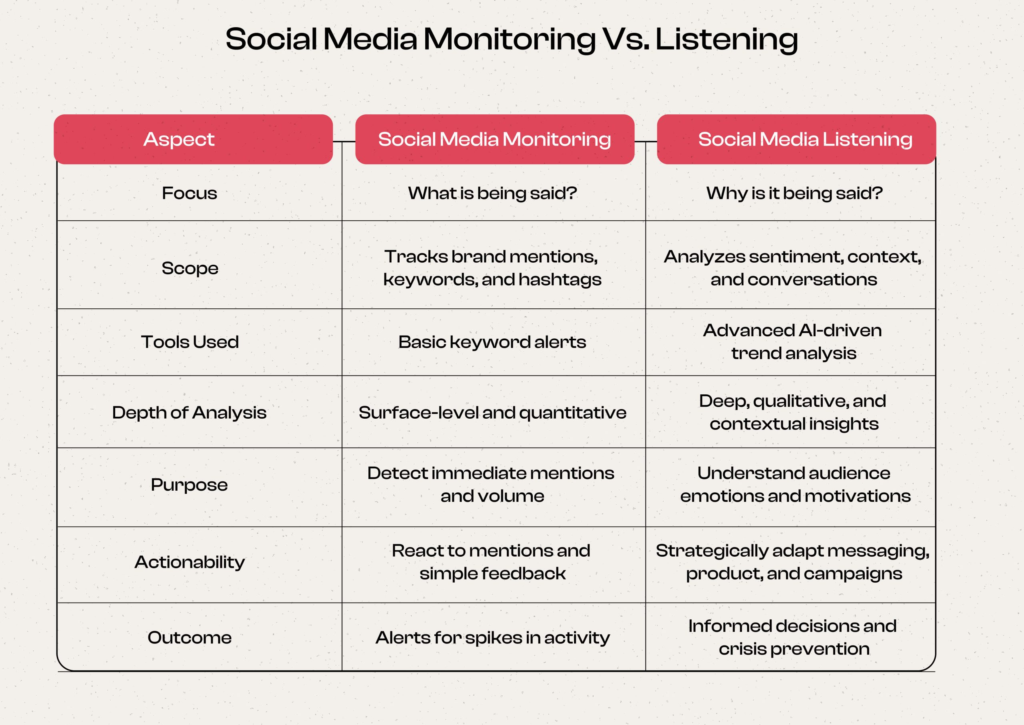
Here’s a quick comparison:
| Aspect | Social Monitoring | Social Listening |
|---|---|---|
| Focus | Specific mentions and direct interactions | Broader conversations, trends, and sentiment |
| Approach | Reactive (e.g., respond to complaints) | Proactive (e.g., spot opportunities) |
| Tools | Basic alerts and tracking | AI-driven dashboards with analytics |
| Use Case | Customer service | Strategy development, competitor research |
By integrating both, brands can respond immediately while building long-term strategies. In 2026, with 62% of marketers prioritizing listening after direct engagement, it’s clear this comprehensive view drives growth.
Why Social Media Listening Matters for Your Brand
In a world where social media ad spend is projected to hit $317.33 billion in 2026, listening isn’t optional—it’s a competitive edge. It transforms noise into insights, helping brands adapt to consumer preferences and market shifts.
Deeper Audience Insights
Traditional demographics fall short; social listening uncovers real-time wants and pain points. For a cosmetic brand, it might reveal demands for inclusive shades via recurring mentions, allowing product adjustments that boost loyalty. In influencer marketing, listening tracks how audiences engage with sponsored content, ensuring campaigns align with genuine interests.
Competitor Research and Opportunities
Monitor rivals to spot gaps. If conversations highlight a competitor’s weak customer service, capitalize by emphasizing your strengths. Listening also reveals untapped audiences, like emerging communities on platforms such as Threads or TikTok.
Identifying Influencer Partnerships
Discover influencers organically by tracking who mentions your brand positively. This leads to authentic collaborations, as seen in brands using listening to find micro-influencers with high engagement. For businesses seeking expertise, partnering with a top influencer marketing agency can amplify these discoveries into successful campaigns.
Public Relations and Crisis Management
Spot PR issues early, like misinformation spreads, to control narratives. With trends accelerating in 2026, real-time listening prevents minor problems from escalating, preserving brand reputation. Statistics show 73% of consumers will switch brands if unresponsive, underscoring listening’s role in retention.
Overall, social media listening enhances decision-making, with benefits like improved customer experience and higher ROI—our agency insights show it can boost campaign effectiveness by 25%.
How Social Media Listening Works
Social listening aggregates data from diverse sources using advanced tools. It mines text from social posts, forums, and reviews, then processes it via AI for insights.
Data Collection and Tools
Data comes from platforms like Instagram, X (formerly Twitter), and LinkedIn. Tools use keyword tracking and geocode filters to capture relevant mentions, ensuring comprehensive coverage.
Building a Dashboard for Insights
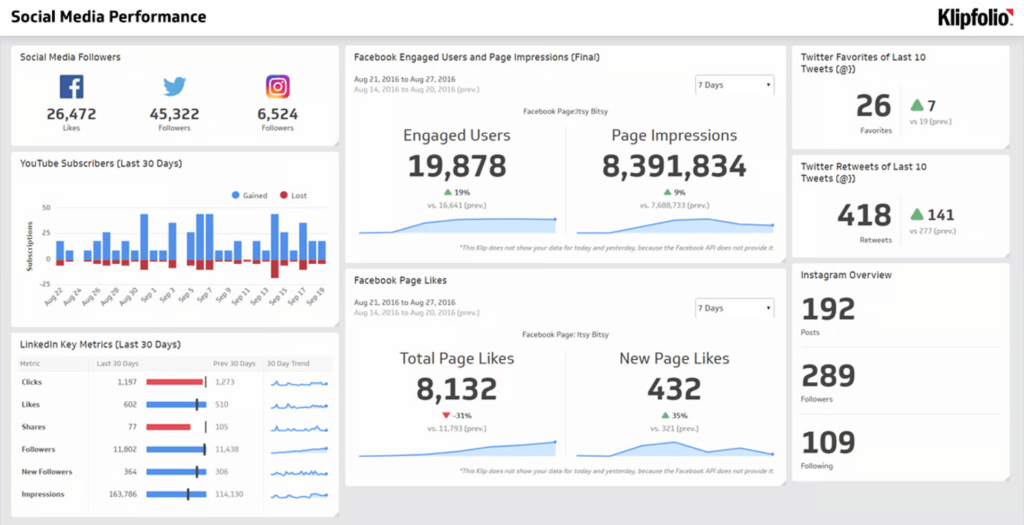
Dashboards centralize data, offering visualizations like charts for sentiment or trend analysis. Analogous to Google Analytics, they enable report generation and quick pivots, such as adjusting influencer strategies based on audience feedback.
Setting Up Your Social Listening Strategy
Getting started requires a structured approach to avoid data overload.
Define Your Goals
Prioritize objectives, like influencer discovery for campaigns or market research for new products. Align with business needs, such as increasing share of voice.
Choose the Right Tools
Select based on needs—e.g., Sprout Social for reporting or Brandwatch for enterprise depth. Consider AI features for 2026 trends like intent clustering.
Select Channels to Monitor
Focus on active platforms; for influencer marketing, prioritize Instagram and TikTok.
Analyze and Act on Data
Use built-in visuals or exports for deep dives. Act swiftly—trends change fast.
Top Social Listening Tools for Brands
In 2026, tools emphasize AI and multi-platform coverage. Here’s a curated list with pros, cons, and pricing (where available).
Premium Options (e.g., Sprout Social, Brandwatch)
- Sprout Social: Robust for insights and scheduling. Starts at $249/month; ideal for all-in-one management.
- Brandwatch: Excels in consumer research; custom pricing, enterprise-focused.
- Meltwater: Global monitoring; strong for PR. Pricing on request.
- Talkwalker: Visual analytics; great for trends.
- Onclusive Social: Comprehensive coverage including TikTok; enterprise-level.
| Tool | Key Features | Pricing | Best For |
|---|---|---|---|
| Sprout Social | AI sentiment, reporting | $249+/month | Marketing teams |
| Brandwatch | Deep research, integrations | Custom | Enterprises |
| Meltwater | Media + social | Custom | PR pros |
| Talkwalker | Trend forecasting | Custom | Agencies |
| Onclusive | Global sources | Custom | Communications |
Budget-Friendly and Free Tools
- Hootsuite: All-in-one with listening; starts at $99/month.
- Brand24: Affordable for SMBs; from $49/month.
Free options: Google Alerts for basic mentions; XPro for X-specific.
Real-World Examples of Social Listening Success
Listening drives tangible wins. Take McDonald’s: In 2025, they monitored price backlash on Big Mac meals, responding with value deals that restored sentiment and sales. Duolingo leveraged meme trends around their owl mascot, creating a “Duo’s death” campaign that exploded engagement.
Netflix’s #WednesdayDance went viral after listening spotted the trend early, amplifying it for massive views. Stanley’s viral car fire video led to gifting a new car, boosting reputation via real-time response.
In influencer contexts, brands like Chipotle used listening for the Grimace Shake trend, partnering with creators for authentic buzz.
Our agency case: A client saw 25% ROI lift by listening to influencer mentions and optimizing partnerships.
Future Trends in Social Media Listening
By 2026, AI will dominate, with tools clustering by intent and predicting trends. Expect multi-format analysis (e.g., videos, audio) and privacy focus amid GDPR evolutions. For influencer marketing, listening will integrate with creator economies, spotting authentic voices in community-first platforms. Chaos culture and snowballing effects mean agility is key—brands using AI for real-time summaries will thrive.
In summary, social media listening is your brand’s secret weapon for understanding audiences, outpacing competitors, and forging meaningful partnerships. Start by defining goals and selecting tools, then act on insights to see real growth. Ready to integrate this into your influencer campaigns? Contact a top influencer marketing agency today to get started. Explore related topics like 2026 social media trends or influencer strategies for deeper dives.