An influencer is a person with a dedicated online audience who can shape that audience’s opinions and buying decisions, usually through content on platforms such as Instagram, TikTok and YouTube. Brands pay influencers to create and share content about their products, with fees that depend on audience size, engagement, platform and how long the brand can reuse the content.
Table of Contents
- Influencer Defined
- What Makes Someone an Influencer?
- Types of Influencers
- Popular Influencer Niches
- What Does an Influencer Do?
- Celebrities vs. Influencers
- Why Brands Partner with Influencers
- How to Find and Partner with Influencers
- Working with an Influencer Marketing Agency
- Frequently Asked Questions
- How many followers do you need to be an influencer?
- How do influencers make money?
- Do influencers have to disclose sponsored posts?
- Is an influencer the same as a content creator?
Influencer Defined
The word covers anyone whose recommendations move an audience to act. What separates an influencer from any other social media user is not follower count alone but trust: followers come back for that person’s view on a subject, and they act on it. That is why a creator with 15,000 followers in a narrow niche can drive more sales for the right brand than an account ten times larger.
What Makes Someone an Influencer?
Three things are usually present:
- A defined audience that follows them for a subject, such as skincare, gaming, finance or parenting.
- Consistent engagement: comments, saves and shares, not just likes.
- Credibility in their niche, built through expertise, personality or a long publishing record.
Influence is usually built on one main channel, such as TikTok, Instagram, YouTube or a podcast, and then extended to others.
Types of Influencers
Influencers are most often grouped by audience size:
- Nano (1,000 to 10,000 followers): small, close-knit audiences and very high engagement.
- Micro (10,000 to 100,000): niche authority at a moderate cost.
- Mid-tier (100,000 to 500,000): a balance of reach and engagement.
- Macro (500,000 to 1 million): broad reach and polished content.
- Mega (1 million and up): celebrity-scale reach at the highest cost.
They are also grouped by format: short-form video creators, long-form YouTubers, live streamers, podcasters and bloggers. For how the tiers compare in practice, see micro vs macro influencers.

Popular Influencer Niches
Most brand spend goes to a handful of categories: beauty and skincare, fashion, fitness and wellness, food and drink, gaming, travel, parenting and family, technology, and personal finance. B2B creators, such as software reviewers and industry commentators, are a smaller but growing group.
What Does an Influencer Do?
Day to day, an influencer creates content, publishes it on a regular schedule and responds to their community. Brand work adds briefs, approvals, disclosure and reporting. A typical sponsored post moves from a brief to a concept, a draft the brand reviews, the published post with a clear disclosure, and a short results report.

Celebrities vs. Influencers
Celebrities are famous for work outside social media, such as film, music or sport, and their reach is broad. Influencers built their audience on social platforms around a subject, so their reach is narrower but often more trusted within that subject. Many brands use both: celebrities for awareness, influencers for credibility and conversion.
Why Brands Partner with Influencers
- Reach a defined audience through someone it already trusts.
- Get native content made for each platform, which brands can also run in paid ads when the contract includes usage rights.
- Drive measurable actions, from site visits to sales, through tracked links and codes.
- Test messages and products quickly with real audience feedback.
How to Find and Partner with Influencers
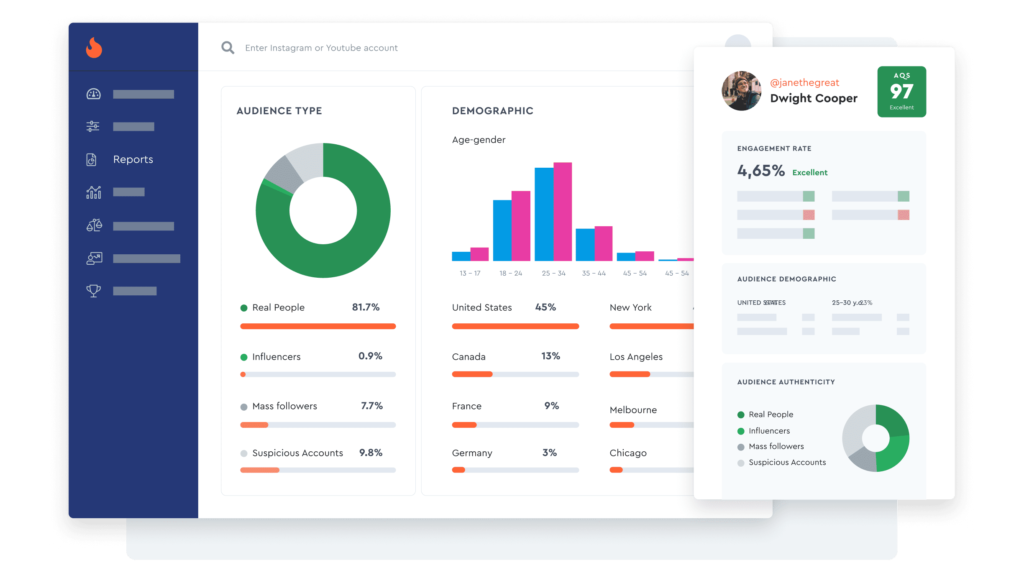
Start with the audience, not the follower count: who needs to see the content and where they spend their time. Then shortlist creators whose audience matches, check the quality of their engagement and their past brand work, and agree deliverables, timelines, usage rights and fees in a written contract. Every sponsored post needs a clear disclosure. The influencer vetting guide covers the checks in detail.
Working with an Influencer Marketing Agency
Brands running larger programs often hand the work to an agency, which handles strategy, creator casting, contracts, compliance review, paid amplification and reporting. HireInfluence has run fully managed influencer campaigns for brands such as Microsoft, Amazon, Coca-Cola and McDonald’s since 2011. If you are comparing agencies, start with how to choose an influencer marketing agency.
Frequently Asked Questions
How many followers do you need to be an influencer?
There is no fixed number. Brands commonly work with creators from about 1,000 followers upward, and audience fit and engagement matter more than size.
How do influencers make money?
Mainly through sponsored content, affiliate commissions, platform payouts such as YouTube ad revenue, and their own products.
Do influencers have to disclose sponsored posts?
Yes. In the US, the FTC expects a clear disclosure, such as #ad or the platform’s paid partnership label, whenever a creator has a material connection with a brand. See FTC guidelines for influencer marketing.
Is an influencer the same as a content creator?
Not always. A content creator makes content; an influencer is a creator whose audience acts on their recommendations. Most influencers are creators, but not every creator influences buying decisions.