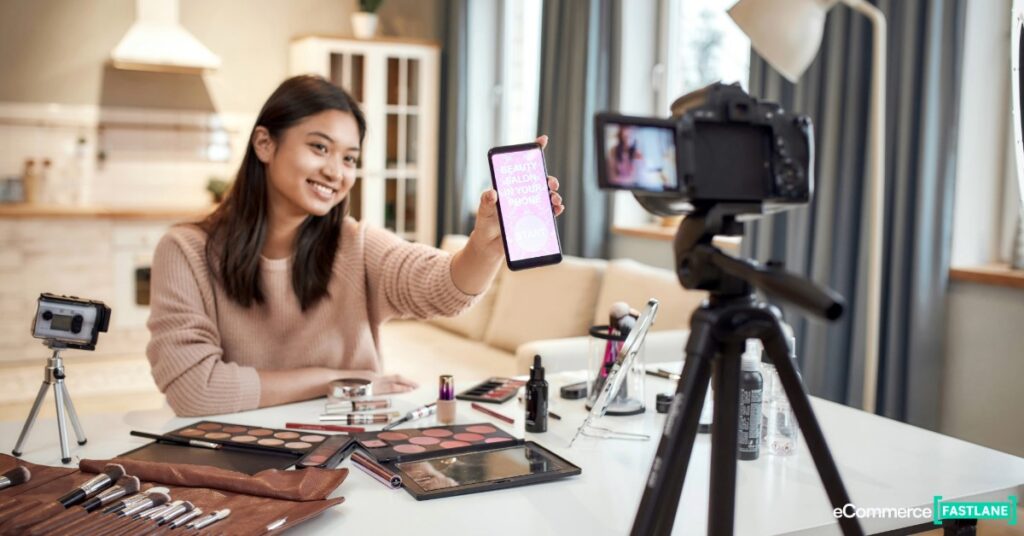
Remember back when influencers were just folks with big followings posting selfies and product hauls? Well, fast forward to now, and the game’s changed big time. Virtual influencers—those slick AI-generated avatars that look and act eerily human—are popping up everywhere on social feeds. They’re not just a gimmick anymore; they’re reshaping how brands connect with audiences. As we kick off 2026, it’s clear these digital personas are here to stay, offering fresh ways for companies to push their message without the headaches of real-life drama. But how exactly can brands jump in and team up with them? Let’s break it down.
Table of Contents
HireInfluence helps brands leverage virtual influencers for enterprise influencer marketing campaigns.
What Exactly Are Virtual Influencers?
Picture this: a character crafted from code, pixels, and a dash of AI magic. Virtual influencers, or VIs for short, are computer-generated beings that live on platforms like Instagram, TikTok, and even emerging metaverses. They post outfits, share opinions, chat with fans, and yeah, promote stuff—just like your favorite human creator. The difference? They’re powered by tech like CGI and generative AI, making them customizable down to the last eyelash.
Take Lil Miquela, for instance. She’s been around for years, but in 2026, she’s still turning heads with her music collabs and fashion drops.

CGI ‘Influencers’ Like Lil Miquela Are About to Flood Your Feed …
Or Imma from Japan, who’s all about blending high fashion with virtual vibes, racking up partnerships left and right.

imma: The Virtual Influencer Disrupting The Fashion Industry …
These aren’t cartoons; they’re designed to feel real, building emotional ties with followers who know they’re fake but don’t care.
Why the Sudden Boom in 2026?
It’s no accident that VIs are exploding this year. Tech’s gotten so good—think hyper-realistic animations and AI that chats like a pro—that they’re blending seamlessly into our scrolls. Studies show a 300% spike in research on them since 2020, and brands are noticing. Market forecasts peg the virtual influencer space at billions, especially in places like China where it’s projected to hit over 640 billion yuan by now.
Younger crowds, like Gen Z and Alpha, are eating it up. They crave authenticity mixed with fantasy, and VIs deliver without the scandals that plague human stars. Plus, with social commerce booming, these avatars turn posts into instant shops. Brands aren’t just dipping toes; they’re diving in, allocating chunks of their budgets to VIs for that edge in a crowded market.
The Perks for Brands: Why Bother with AI Avatars?
Teaming up with a VI isn’t just trendy—it’s smart business. For starters, they’re controllable. No off-brand tweets or surprise meltdowns. You script their story, tweak their look, and keep them on-message 24/7. Costs? Way lower long-term. Sure, upfront tech investment stings, but you skip hefty influencer fees and travel expenses.
Engagement’s another win. Data from last year shows VIs can pull 30% higher interaction rates than humans in some campaigns, with 50% cheaper runs. They’re scalable too—want your avatar in five languages? Done. And in a world pushing sustainability, VIs let brands champion causes without hypocrisy, like Adidas using them to hype eco-friendly gear.
But it’s not all roses. Here’s a quick rundown to weigh it out:
| Aspect | Virtual Influencers | Human Influencers |
| Cost | High initial setup, low ongoing | Variable fees, often high for top talent |
| Control | Total—brand owns the narrative | Limited—personal lives can interfere |
| Availability | 24/7, no burnout | Schedules, health, and life get in the way |
| Engagement | Up to 30% higher in targeted campaigns | Authentic but inconsistent |
| Risks | Uncanny valley effect, authenticity doubts | Scandals, contract disputes |
| Scalability | Infinite—clone or adapt easily | One person, limited reach |
This table pulls from recent comparisons, showing why more CMOs are shifting budgets.
How Brands Can Jump In: A Step-by-Step Guide to Collaboration
Ready to create or partner with a VI? It’s simpler than you think, but it takes planning. First, define your goals. Want buzz for a new product? Or long-term loyalty? Pick an agency like those behind Imma or Superplastic—they handle the tech.
Step two: Design your avatar. Make ’em relatable—give them a backstory, quirks, and a voice that matches your brand. Tools like AI-driven platforms let you test looks and personalities.
Then, integrate into campaigns. Start small: a TikTok series or Instagram takeover. Track metrics like engagement and conversions, tweaking as you go. For example, use them in metaverse events where fans interact in real-time.
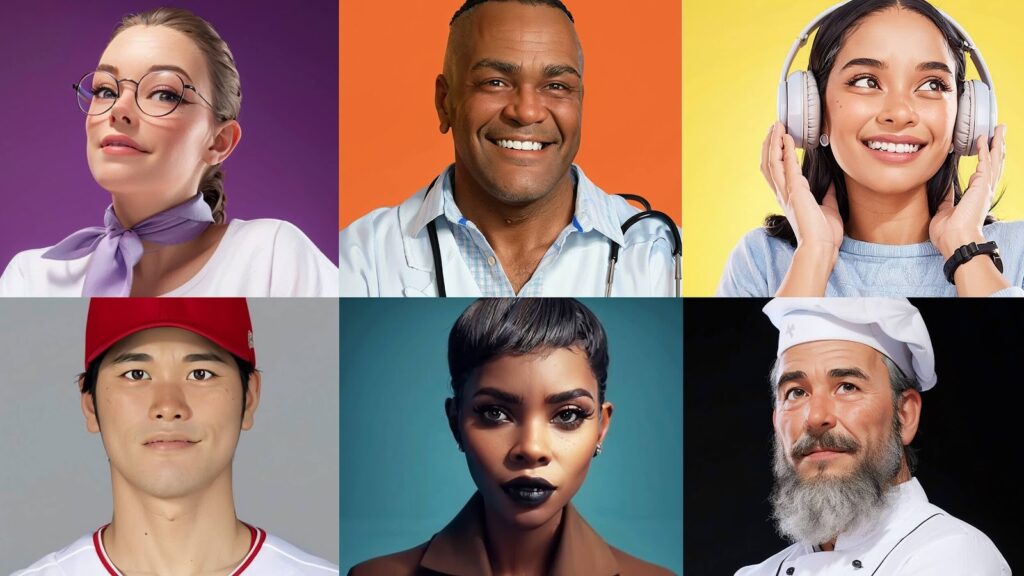
Enhancing Brand Interactions with AI Avatars
Finally, disclose they’re virtual—transparency builds trust and dodges backlash. Agencies can help navigate legal stuff, like IP rights.
Real-World Wins: Case Studies Lighting the Way
Look at Shudu Gram, the virtual supermodel who’s graced magazine covers and worked with luxury brands. Her creator used her to spotlight diversity in fashion, drawing in audiences tired of the same old faces.
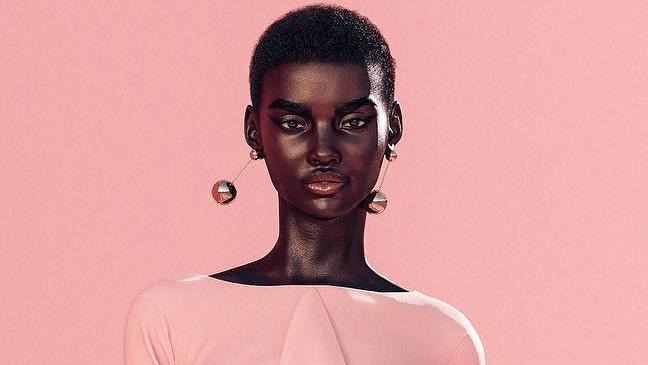
Shudu Gram – BrandMentions Wiki
Or Ayayi, who’s gone global, mixing cultural vibes in ads that feel fresh and inclusive. Brands like Gucci teamed up with virtual characters for NFT drops, blending hype with exclusivity.
Even IKEA and Coach have experimented, using VIs for product endorsements that boost attitudes and sales intent. These stories show VIs aren’t just for tech geeks—they work across industries, from fashion to home goods.
Hurdles Ahead: Not All Smooth Sailing
Of course, there are bumps. The “uncanny valley” can creep people out if they’re too lifelike but not quite right. Some folks question authenticity, leading to lower engagement in mismatched campaigns. And ethically? We’re talking job losses for human creators and blurry lines on AI rights.
Brands have pulled back a bit—interest dipped 30% from 2024 to 2025—but that’s more about refining strategies than ditching the idea.
Peering into 2026 and Beyond
As AI gets smarter, expect VIs to evolve into interactive buddies, maybe even hosting live streams or personalizing chats. With metaverses expanding, they’ll bridge digital and real worlds, like virtual pop-ups or AR try-ons.
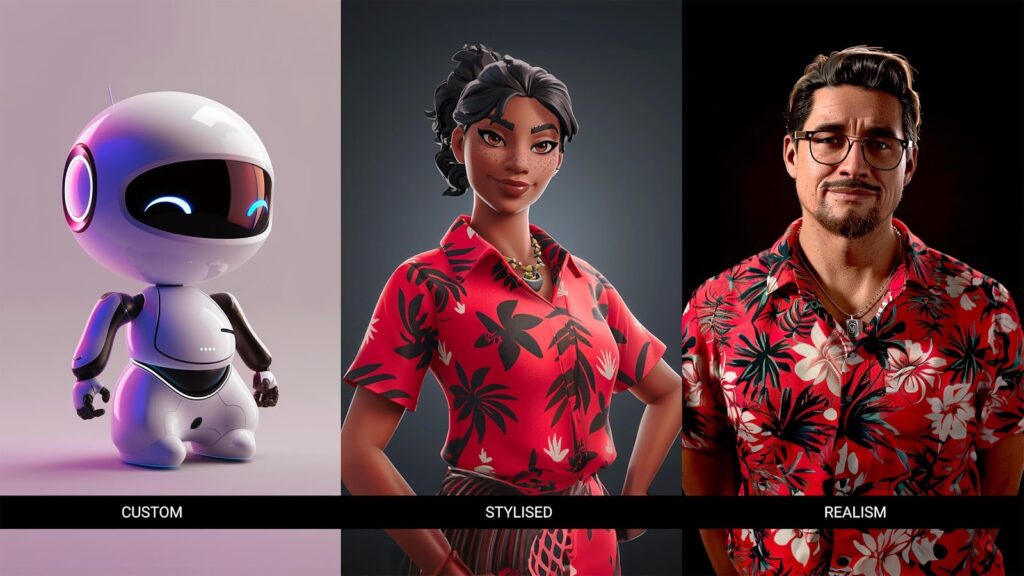
Enhancing Brand Interactions with AI Avatars
Forecasts say they’ll snag a bigger slice of marketing pies, especially in sustainability and inclusivity pushes.
In the end, virtual influencers aren’t replacing humans—they’re complementing them. For brands bold enough to experiment, 2026 could be the year they unlock next-level engagement. So, why not give it a shot? Your next big campaign might just star a pixel-perfect partner.