
Last updated April 1, 2026
Table of Contents
Influencer marketing traces its roots far beyond social media, rooted in trust and recommendation dynamics that have shaped consumer decisions for centuries. People have long turned to respected figures for guidance on purchases, from community leaders to prominent personalities. This form of promotion relies on perceived authority and relatability rather than direct sales pitches.
Early examples show brands harnessing endorsement power to build prestige and demand. The practice evolved as communication channels expanded, adapting to new ways audiences connect and consume content. Today, it stands as a core digital strategy, driven by platforms that enable direct, scalable interactions between creators and followers.
Brands invest heavily because recommendations from trusted voices convert better than traditional ads. The shift emphasizes genuine connections over broad reach alone. As platforms mature, strategies focus on measurable outcomes and audience alignment. Influencer marketing continues to prove its staying power through consistent growth and adaptation.
Early Origins of Influence in Marketing
Long before digital tools existed, brands recognized the value of associating with influential figures to elevate products. In 1760, potter Josiah Wedgwood created a tea set for Queen Charlotte, then leveraged royal approval to market it as premium and desirable. This “by appointment to” branding turned the product into a status symbol among the elite. Similar tactics appeared across industries, where patronage from nobility or notables drove sales.
By the 20th century, celebrity endorsements became standard. Figures like athletes and actors promoted goods, linking personal success to brand appeal. Michael Jordan’s Nike partnership redefined sports marketing through aspirational imagery. Fashion icons such as Coco Chanel shaped trends and product desirability through their lifestyles.
Television amplified these efforts, with stars influencing viewer choices on a massive scale. These historical precedents laid groundwork for modern practices, proving endorsements build credibility when they feel organic. The core principle remains: people buy from those they admire or trust.
The Rise of Digital Influencers: Mommy Bloggers
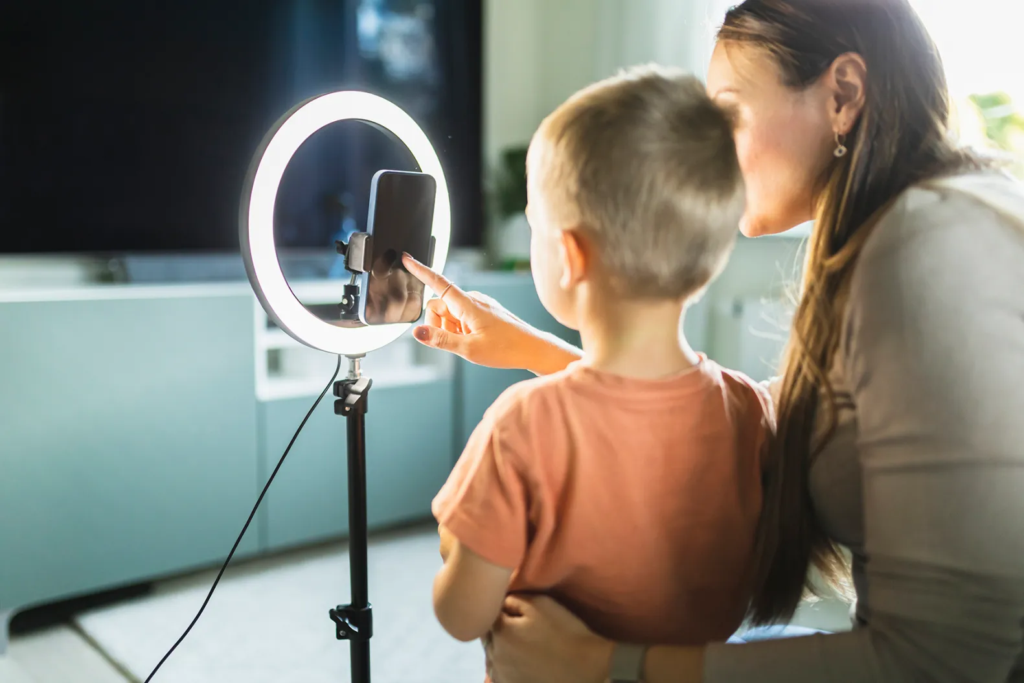
Modern influencer marketing emerged in the early digital era, well before Instagram or TikTok dominated. Mommy bloggers pioneered personal, relatable content that attracted dedicated audiences.
In 2002, Melinda Roberts launched TheMommyBlog.com, sharing honest experiences of parenthood, product reviews, and daily challenges. Her transparent approach resonated with other mothers seeking real advice over polished ads. Thousands followed suit, creating blogs on parenting, household tips, and family life. These writers built communities through comments and shared stories.
Brands noticed the engagement and authenticity, leading to early sponsored posts and product placements. Partnerships focused on recommendations that fit naturally into content. This model proved effective because readers viewed bloggers as peers rather than salespeople. Revenue grew for creators through affiliate links and direct deals.
The format set standards for disclosure and trust that persist today. Mommy bloggers demonstrated how niche expertise could influence purchasing on a large scale.
Social Media Platforms Transform Influencer Marketing
Social networks accelerated influencer marketing by providing visual, real-time connection tools. Platforms like Facebook and YouTube allowed creators to grow followings quickly through videos and updates.
Instagram’s 2010 launch shifted focus to imagery, enabling lifestyle sharing that highlighted products subtly. Early adopters posted aesthetic feeds with integrated brand mentions. Paid features soon followed, letting brands collaborate directly with creators for sponsored content. Twitch, starting in 2011, expanded live streaming beyond gaming to diverse categories. Streamers endorsed products during broadcasts, fostering interactive promotions.
TikTok’s 2016 arrival introduced short-form video with algorithmic discovery. Trends, challenges, and music-driven content propelled rapid virality. Creators adapted brand messages into entertaining formats that felt native. These platforms democratized influence, allowing anyone with engaging content to attract partnerships. Engagement metrics replaced sheer follower count as success indicators. The ecosystem now supports multi-platform strategies for broader reach.
The Modern Influencer Landscape in 2026
Influencers today operate across diverse platforms, commanding attention through specialized content. Creators maintain authenticity by aligning partnerships with personal values and audience interests. Followers respond positively to recommendations that appear genuine.
The industry prioritizes long-term collaborations over one-off promotions. Data shows sustained partnerships yield higher returns through repeated exposure. Brands allocate budgets strategically, focusing on platforms where their audience engages most.
Regulations ensure transparent disclosures to maintain trust. Creators diversify income through merchandise, subscriptions, and brand equity. The space evolves with technology, incorporating new formats like live shopping. Success depends on community building and consistent value delivery. Influencers now function as media entities with professional teams.
As of 2025 data extending into 2026 projections, the global influencer marketing industry exceeds $30-33 billion, with steady growth driven by performance-focused campaigns.
Many brands report increasing budgets year-over-year due to strong ROI compared to traditional channels. Over 80% of marketers use influencer strategies, with emphasis on measurable outcomes like conversions. Platforms like Instagram, TikTok, and YouTube lead spending, reflecting user behavior shifts.
For brands navigating this landscape, partnering with a top influencer marketing agency streamlines strategy, influencer selection, and campaign execution.
Key Trends Shaping Influencer Marketing in 2026
Influencer marketing adapts rapidly to technological and cultural changes. Brands prioritize performance over vanity metrics. Micro- and mid-tier creators (10,000–100,000 followers) deliver higher engagement and affordability than mega-influencers. Their loyal audiences trust recommendations more deeply.
Long-term ambassadorships replace transactional deals, fostering deeper brand alignment. AI tools enhance discovery, matching, and optimization without replacing human creativity. Virtual influencers gain traction in metaverse and immersive environments. Diversity and inclusion guide partnerships, reflecting audience expectations for representation.
Social commerce integrates shopping directly into content. Cause-related campaigns amplify social impact alongside sales. Authenticity remains central, with creators declining mismatched opportunities to preserve credibility. These shifts emphasize sustainable, value-driven collaborations.
The Future of Influencer Marketing
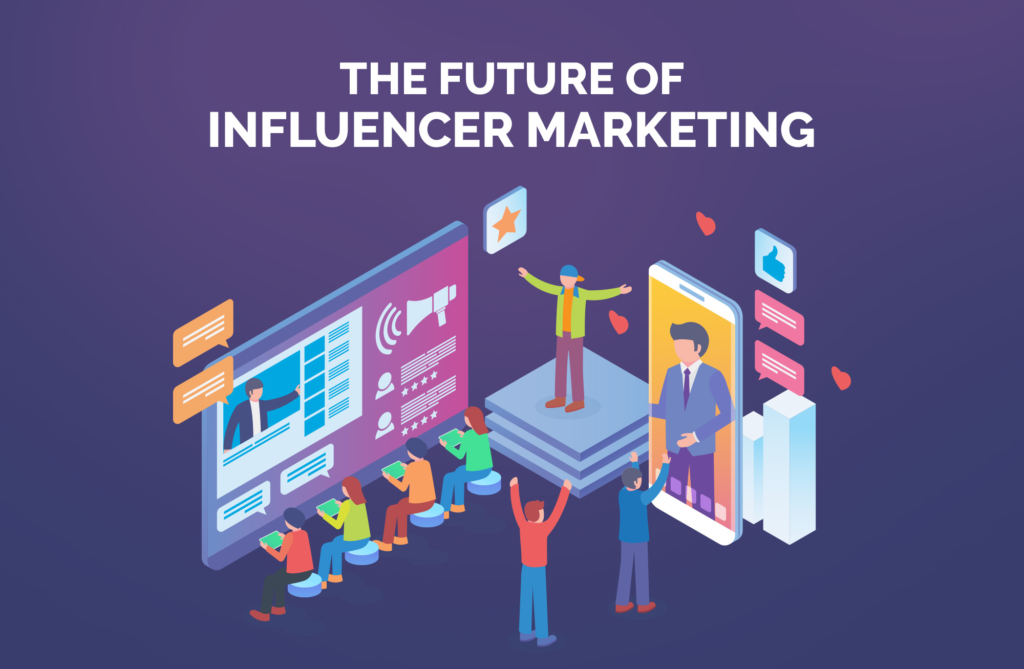
Influencer marketing will continue expanding as consumer trust in traditional ads declines. Emerging platforms and formats will create new opportunities for creators and brands. AI will streamline operations while human connection drives engagement.
Social commerce and live experiences will blur lines between content and purchase. Brands must stay agile, testing integrations like AR filters and interactive content. Regulations will evolve to ensure transparency. Success hinges on data-informed strategies and genuine relationships. The channel’s proven impact ensures its role in marketing mixes. Openness to innovation will separate leaders from followers. History shows influence endures when it adapts to how people connect.
This updated overview captures influencer marketing’s journey from royal endorsements to a multi-billion-dollar industry poised for further growth in 2026 and beyond.