The paid media landscape shifted before most marketing organizations caught up. Traditional paid creative (brand-produced video, static display, polished social ads) is performing worse relative to its cost than at any point in the last decade. Ad fatigue is structural, not cyclical. Audiences have learned to skip, scroll past, and mentally filter branded advertising out of their attention at a speed that outpaces any creative refresh cycle.
Table of Contents
The brands seeing the strongest paid media returns in 2026 are running creator content through paid channels, not brand-produced creative. They are using the same trust signal that made organic influencer marketing effective, the authentic voice of a person their audience already follows, but distributing it at paid scale with precise targeting and full attribution.
A paid media marketing company that understands this model delivers materially different outcomes than one still optimizing brand-produced video creative against a diminishing-returns curve.
The Performance Case
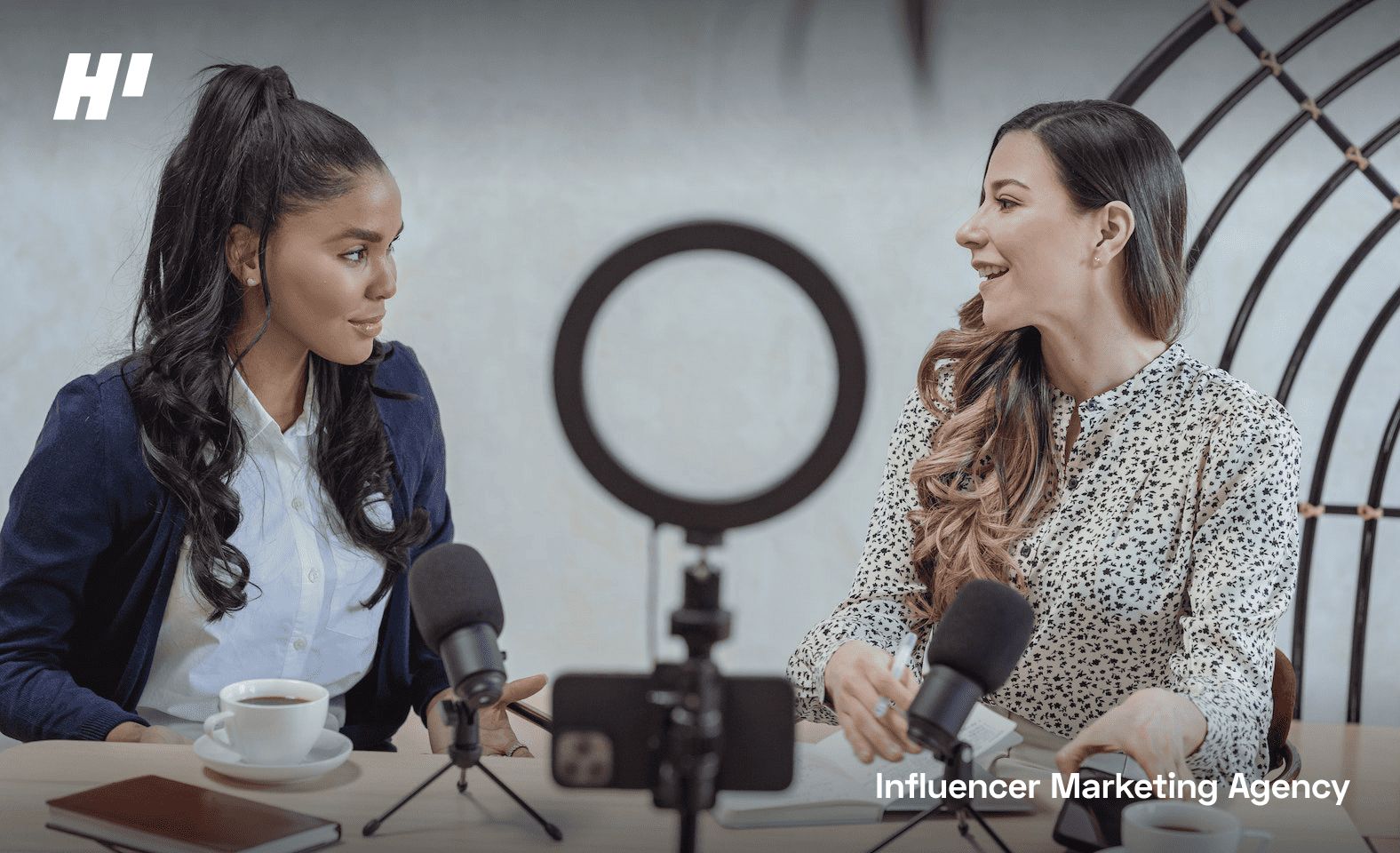
The data behind creator-sourced paid media is consistent across platforms and categories. Influencer whitelisting, where creator content runs as a paid ad through the creator’s own account rather than the brand’s, outperforms standard brand social ads by 20% to 50% on engagement metrics. Creator-generated content running in paid channels produces lower cost-per-click and higher conversion rates than equivalent brand creative in the same placements. Repurposed UGC from managed campaigns delivers four times higher click-through rates than standard brand ads.
The mechanism is straightforward. When a paid ad looks like content from a creator the audience has reason to trust, the engagement signal is genuine rather than habitual skip behavior. The audience’s guard is lower. The message lands differently.
According to DSMN8’s B2B social media research, 67% of B2B influencer campaigns outperform brand-only content on marketing impact. That finding holds in paid contexts as well: the performance advantage of creator voice over brand voice does not disappear when a post gets a “Sponsored” label. It persists because the underlying trust dynamic is about who is speaking, not where the content appears.
What a Paid Media Marketing Company Needs to Manage
Running creator content through paid channels is operationally more complex than running brand-produced creative. The paid media marketing company needs to manage several interconnected functions that most agencies treat as separate programs.
Creator rights management is the starting point. Content that was not contracted with commercial usage and paid distribution rights cannot legally run in paid placements. Enterprise brands that discover this limitation after a piece of organic content performs well face delays, renegotiation costs, or losing the amplification window entirely. HireInfluence builds commercial usage rights into every creator contract as standard terms, so top-performing organic content is available for paid deployment immediately.
Whitelisting and dark posting infrastructure requires platform-specific technical setup across Meta, TikTok, and other networks. Influencer whitelisting involves the creator granting the brand advertising permissions on their account. Dark posting enables geo-targeted and audience-segmented paid distribution of creator content without the post appearing on the creator’s public profile. HireInfluence manages both as part of its full-service paid media program.
Performance data integration ensures that organic performance informs paid investment decisions. The best-performing organic creator content (identified by early engagement velocity, save rate, and comment quality) is the most reliable predictor of paid performance. HireInfluence’s analytics infrastructure tracks organic performance in real time, enabling paid amplification decisions to be made on data rather than assumptions.
HireInfluence’s Paid Media Model
HireInfluence’s campaign operations treat paid amplification as a native function of every influencer program rather than an optional add-on. Creative strategy and paid strategy are built together from the first brief, not sequenced: the creators are selected partly based on their suitability for paid amplification, the content brief is written to perform in both organic and paid contexts, and the usage rights that enable paid deployment are locked in before production begins.
This integration eliminates the most common failure point in creator-to-paid pipelines: the gap between an organic influencer team and a separate media buying team that do not share campaign data or strategic context. HireInfluence manages the full program through a single operational structure.
The Grammarly campaign demonstrates this model at scale: 133 top-tier lifestyle creators across TikTok, YouTube, and Instagram generating 214 million impressions, 33.1 million views, and $15 million in earned media value.
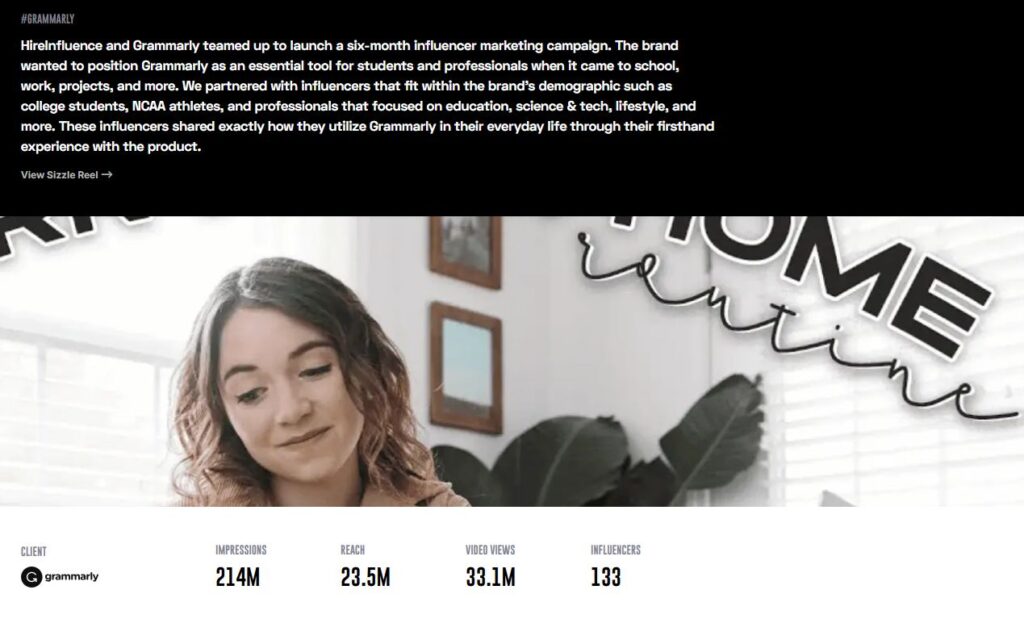
Paid amplification extended the reach of the highest-performing organic content to audiences beyond the creators’ existing followings, using the creative that had already proven effective with real audiences.
For the Ricola #CoatYourThroat campaign, paid amplification connected creator content to 62,500 tracked retail purchase clicks through MikMak integration. The attribution was designed into the program from the start, not retrofit after the fact.
The Platform Mix for Paid Creator Content
Different platforms serve different roles in a paid creator content program, and a capable paid media marketing company manages the platform mix strategically rather than defaulting to a single channel.
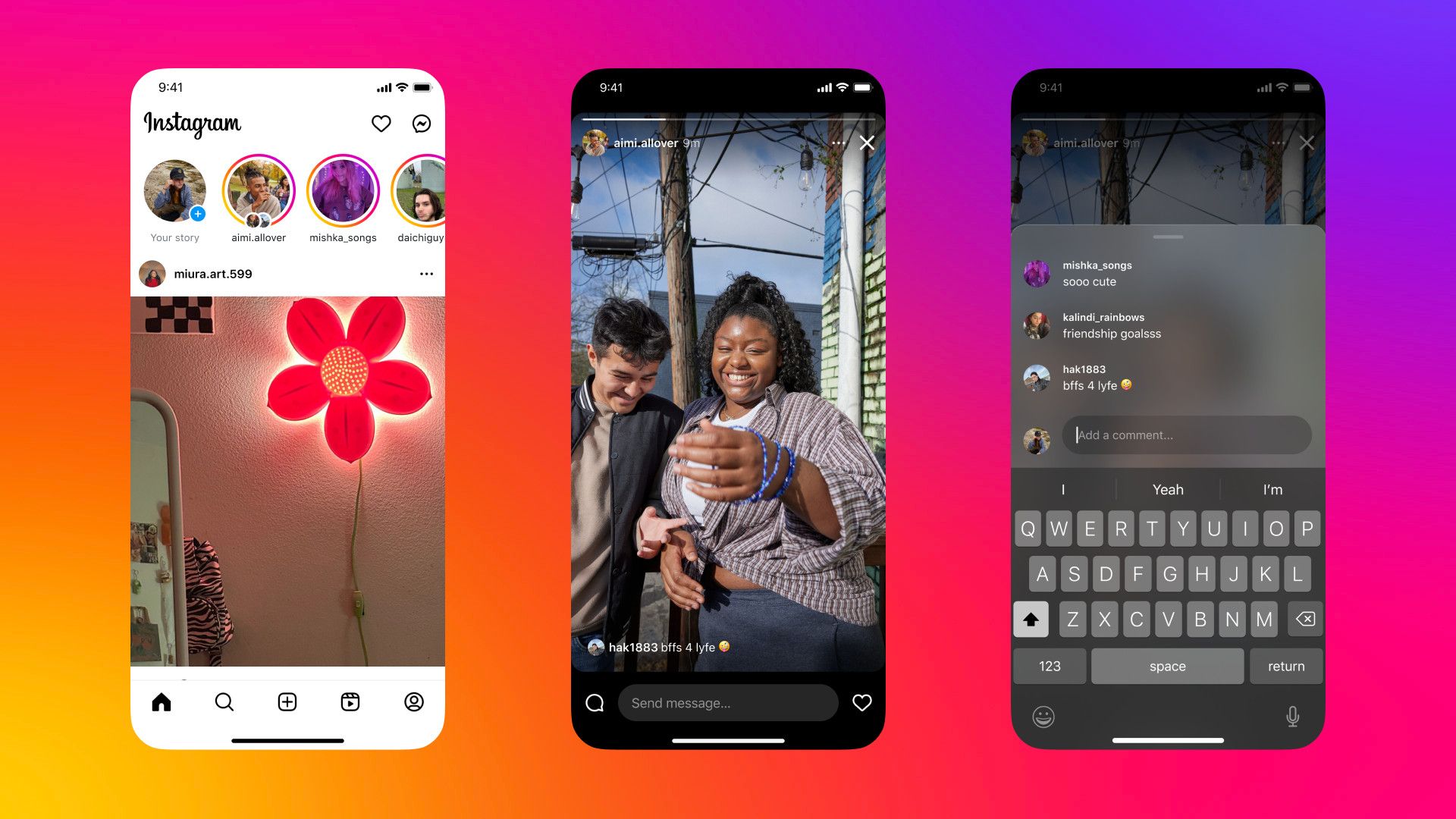
TikTok Spark Ads run creator content through paid channels while preserving the native TikTok format and the creator’s account attribution. As an official TikTok Shop Lite Program partner, HireInfluence has exclusive data and ad access that gives enterprise brands structural advantages on TikTok that standard agencies cannot offer. Instagram and Facebook whitelisting delivers creator content to feed and Stories placements from the creator’s handle, maintaining the trust signal of creator-native content in a paid context. YouTube pre-roll and mid-roll placements carry the creator’s channel credibility into a paid environment.
HireInfluence’s minimum engagement starts at approximately $100,000. Named clients include Microsoft, Target, Grammarly, McDonald’s, Oreo, and Southwest Airlines. Review the campaign work at hireinfluence.com/work/ and connect at hireinfluence.com/contact/.