
The best UGC marketing agency is one that can produce authentic, platform-ready creator content at scale while maintaining the brand standards, compliance requirements, and measurement infrastructure that enterprise marketing teams actually need. UGC has become one of the fastest-growing priorities in marketing budgets because it outperforms branded content on trust, engagement, and cost efficiency. But sourcing UGC effectively, especially for large brands with complex approval processes, requires a very different skill set than traditional content production. This guide covers what distinguishes a genuine UGC specialist, how to evaluate your options, and what enterprise brands should expect from this kind of engagement.
Table of Contents
What a UGC Marketing Agency Does Differently
A traditional content agency produces branded creative. A UGC marketing agency does something fundamentally different: it sources, vets, and manages content created by real people, then integrates that content into a broader marketing and paid media strategy.
Here is why that distinction matters. Branded content, no matter how well produced, carries an inherent trust gap. Consumers know it comes from the brand. UGC does not carry that signal. According to Bazaarvoice research, 84% of consumers are more likely to trust a brand’s marketing campaign when it features user-generated content, and 77% of shoppers are more likely to buy a product they discovered through UGC. Those numbers reflect something real: people respond differently to content created by other people than they do to content created by a marketing team.
A UGC agency bridges that gap by building systems to source, curate, and activate creator content in ways that feel authentic while still meeting brand requirements. That means creator briefing, content rights management, compliance review, and integration with paid amplification, all under one operational roof.
UGC vs Branded Content: The Core Trade-offs
This is not a question of which approach is better. They serve different functions.
Branded content gives you complete creative control. You define every element of the message, the aesthetic, and the call to action. That control is valuable for brand-building moments, product launches, and campaigns where consistency matters above all else.
UGC trades some of that control for authenticity and scale. The content feels more real because it is made by real people. It performs differently in paid media, typically generating higher click-through rates at lower cost per click. And it can be produced at a volume that in-house creative teams simply cannot match.
The brands getting the most from UGC are not choosing one over the other. They are using both, with UGC feeding their paid media and social channels while branded content anchors their higher-production campaigns. The agency you choose needs to understand how those two streams work together, not treat UGC as a replacement for everything else.
What Enterprise Brands Need From a UGC Agency
Enterprise brands face a specific set of requirements that most UGC agencies are not built to handle.
Content rights and usage licensing. UGC content cannot simply be repurposed without proper rights clearance. Enterprise brands running paid media need clear, documented usage rights for every piece of content. An agency without a rigorous rights management process creates legal exposure for the brand.
Compliance and FTC review. Any sponsored UGC is subject to FTC disclosure requirements. At enterprise scale, with dozens or hundreds of creator relationships, managing compliance is an operational challenge. It needs to be built into the process from the start.
Volume and consistency. Enterprise campaigns need a steady supply of content across multiple platforms and product lines simultaneously. That requires a creator network and operational infrastructure that small boutique UGC shops typically do not have.
Integration with paid amplification. The most effective use of UGC is not organic posting. It is taking top-performing creator content and amplifying it through paid channels, where its authenticity gives it a performance advantage over standard branded creative. An agency that treats UGC as an organic-only play is leaving the most valuable part of the strategy on the table.
Platform-Specific UGC Strategy
UGC does not work the same way across every platform, and the agency you choose should understand those differences.
On TikTok, the most effective UGC is native-feeling, short-form video that fits the organic content environment. Content that looks too polished performs worse than content that feels spontaneous. The bar for authenticity is higher here than on any other platform.
On Instagram, UGC works across Reels, Stories, and carousel formats. Reels UGC tends to perform well for reach, while Stories UGC drives direct action, particularly when paired with swipe-up links or product tags.
On YouTube, longer-form creator content, product reviews, tutorials, and honest assessments, drives high-consideration purchase decisions. This is where UGC from credible voices in a specific niche can genuinely influence a buyer who is further along in their decision process.
Why HireInfluence Is a Strong Choice for Enterprise UGC
HireInfluence introduced White Glove UGC Services as a dedicated offering specifically for enterprise brands that need personalized, compliance-ready, brand-aligned creator content at scale. The service is built around careful creator selection, integration of current platform trends, and content that is designed to resonate with the target audience rather than simply meet a production quota.
Their full campaign management process covers the operational requirements that matter most at enterprise scale: creator curation and vetting, content auditing, FTC compliance, paid media integration, and detailed analytics. For a marketing team that needs UGC content feeding both organic and paid channels simultaneously, that end-to-end capability matters.
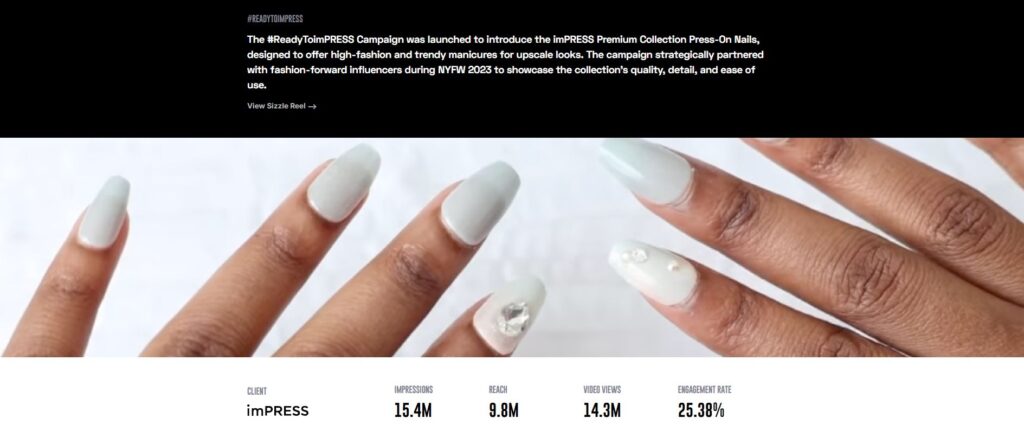
You can review how HireInfluence has executed UGC-integrated campaigns across different brand types, and their blog resource on user-generated content strategy covers the foundational mechanics in detail.
For brands that want to understand how creator tiers factor into UGC strategy, the specialties page covers how different influencer types serve different campaign objectives, from nano-creators for authentic niche content to macro-influencers for broader reach. Past campaign work shows how these elements come together in practice.
How to Start
If you are evaluating UGC agencies for an enterprise campaign, the right conversation starts with your specific content objectives, platforms, and paid media strategy. Reach out to HireInfluence directly to discuss how a UGC-integrated campaign could work for your brand, or review the campaigns overview to understand the full scope of what they manage on behalf of enterprise clients.