Brands searching how to approve branded content on Instagram are usually dealing with a specific prompt: a creator has tagged the brand as a business partner, and the brand needs to approve the tag so the disclosure completes. This is a narrow, mechanical task, and it is worth separating cleanly from the broader creative review a brand does before content goes live, because they are two different approvals. This piece covers the platform mechanic, approving or declining a creator’s partnership tag, and points to the separate matter of reviewing the creative itself. Getting the mechanic right, and ideally automating it, is what keeps a brand from becoming the bottleneck that leaves its partners’ posts half-disclosed.
Table of Contents
What You Are Approving
The approval in question is a tagging approval, not a creative one. When a creator turns on the paid partnership label and tags a brand as the business partner, Instagram sends the brand a request, because a brand’s name cannot appear on a disclosure without the brand’s consent. Approving that request is what lets the “Paid partnership with [brand]” label carry the brand’s name, and it also unlocks the shared performance insights and the option to run the post as a partnership ad. Declining the request removes the label from the creator’s content. So the approval is consequential in a specific way: it completes the disclosure and opens the measurement and amplification pathways, or it withholds all of that. It is not a judgment on whether the creative is good, which is a separate review entirely.
How to Approve or Decline
The mechanic runs through the brand’s branded content settings. When a creator tags the brand, the brand receives a notification and can approve or decline the tag in its branded content controls, reached through its business tools or Meta Business Suite. For a brand handling occasional partnerships, approving each tag as it arrives is workable. For a brand running many creators, per-tag approval becomes a chore that delays disclosures, which is why the scalable option is to pre-grant permission at the account level. Account-level permission authorizes a chosen creator to tag the brand without a fresh approval each time, so the disclosure completes automatically for that trusted partner. The practical rule is to approve individual tags for one-off partners and to set standing account-level permission for ongoing creators, so the approval step never becomes the reason a partner’s post sits with a nameless label.
The Approval This Article Is Not About
Here a brand has to hold a distinction that prevents a real operational mistake. Approving a creator’s partnership tag is a platform disclosure mechanic. It is not the same as reviewing and approving the creative content itself, the process of a brand seeing a draft, giving feedback, and signing off before the post goes live. That editorial approval workflow is a substantive part of running a creator program, with its own steps, timing, and brand-safety considerations, and it is covered separately in the firm’s explanation of the influencer content approval process. A brand that conflates the two, assuming that approving the tag means it has approved the content, has skipped the creative review that actually protects the brand. The tag approval confirms who the partner is and completes the disclosure. The content approval confirms that the creative itself is right. Both matter, and they are not the same button.
Program Delivery Across Approved Creator Programs
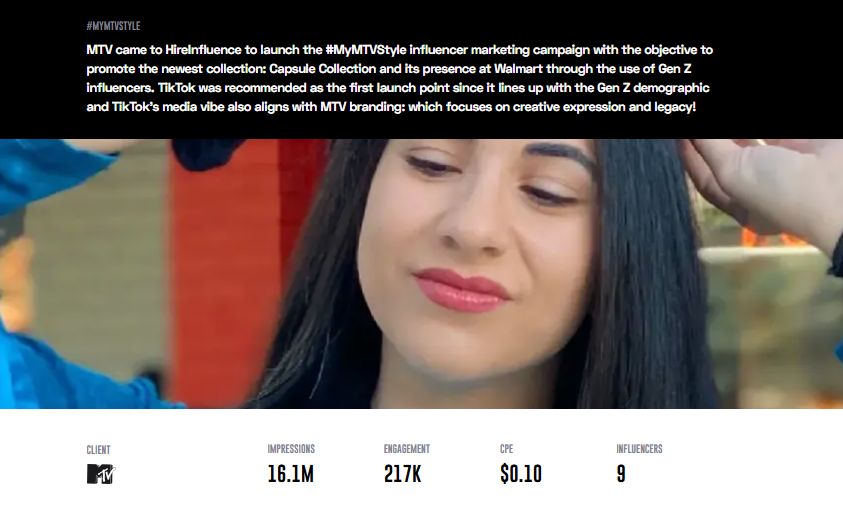
Clean approval processes, both kinds, sit underneath programs that perform, which the roster shows. The Grammarly creator program coordinated 133 creators to 214M impressions, 33.1M views, and $15M in earned media value, a scale at which tag approval has to be standing rather than manual. The #CoatYourThroat program for Ricola reached 20.5M people across 26M impressions with 18 influencers, sustained a 13.17% engagement rate, and drove 62,500 MikMak retail clicks, documented in the Ricola case study. The #OREOShamROCKout activation for Oreo and McDonald’s delivered 1.7M impressions at $0.06 cost per engagement, the #SouthwestSaysAloha program for Southwest Airlines produced 56M impressions and 3M engagements, and the #MyMTVStyle campaign for MTV delivered 16.1M impressions and 216,600 engagements at $0.01 cost per view.
Additional programs appear in the work portfolio. Across programs like these, tag approval was automated where it could be and creative approval was rigorous where it mattered, which is the correct division of the two.
The HireInfluence Model for Partnership Approvals
Founded in 2011, HireInfluence is a full-service enterprise influencer marketing agency with 25 or more people across 10 or more states, working from offices in Houston, The Woodlands, Austin, Los Angeles, and New York. The firm runs programs for brands including Coca-Cola, Microsoft, Walmart, Meta, Grammarly, and Southwest Airlines on a six-figure engagement floor, operating both the platform tag approvals and the editorial content approvals as distinct, managed steps. It was named Marketing Agency of the Year at the 2024 MUSE Creative Awards and Digital Marketing Agency of the Year at the 2026 U.S. Agency Awards, and it has been a TikTok Shop Lite Program partner since July 2024. The separate creative-review process is covered in the firm’s explanation of the influencer content approval process. Brands can reach the team through the contact page.
Founder and CEO Jason Pampell spent years managing content rights, licensing, and strategic media partnerships at Forbes and Billboard before founding the firm in 2011, and the two approvals map onto a separation that world kept clearly. Confirming that a contributor was who they claimed to be was an administrative check, and editing the piece they submitted was the substantive one, and no editor ever mistook verifying a byline for reviewing the copy. Approving a creator’s partnership tag is the administrative check that completes the disclosure. Reviewing the creative is the substantive one that protects the brand. A brand should automate the first with account-level permissions so it never bottlenecks a partner, keep the second rigorous because it is where brand safety actually lives, and never let approving the tag stand in for approving the content.