Legal almost always objects to one of four things: unscripted claims, unclear rights, disclosure liability, or indemnity. Each has a structural answer rather than a persuasion answer. The durable fix is bringing legal into scoping rather than presenting them with finished content and a deadline.
Table of Contents
- Objection one: unscripted claims
- Objection two: unclear rights
- Objection three: disclosure liability
- Objection four: indemnity
- The sequencing change that fixes most of this
- What to do about the current blocked campaign
- Program Delivery Across Reviewed and Regulated Programs
- The HireInfluence Model for Regulated and Reviewed Work
A block at the approval stage is usually a sequencing failure rather than a disagreement. Legal was shown a completed campaign and asked to bless it, which puts them in the position of either accepting a risk they had no hand in shaping or stopping the work. Getting legal approval for an influencer campaign reliably means giving them the thing they can actually act on, which is the structure, early enough that shaping it costs nothing. This article covers the four objections and what resolves each. It is not legal advice and brands should confirm their position with their own counsel.
Objection one: unscripted claims
What legal is worried about. A creator speaking in their own words may say something the brand cannot substantiate, particularly in regulated categories. The brand carries the exposure for claims made on its behalf.
The structural answer. Specify what must be said and what must not be said, and leave structure alone. A brief that names required claims, required demonstrations, and prohibited language gives legal something to review once, at the brief stage, rather than per asset. It also happens to produce better content, because dictating structure is what makes creator work read as advertising.
What makes it worse. Live formats and unedited content, where there is no review point between the creator speaking and the audience hearing it. Where legal is nervous, scope live activity separately.
Objection two: unclear rights
What legal is worried about. Ambiguity about what the brand may do with the content, for how long, and where. Unlike a creative risk, this one outlasts the campaign and surfaces at the worst possible moment, which is when the asset has become valuable.
The structural answer. Term, territory, and media type named explicitly in every agreement, settled at contracting rather than after publication. The platform position sharpens this: on YouTube, Google states the advertiser is responsible for securing sufficient rights and that linking a video conveys none, and the platform tracks no expiry. On TikTok, advertising use requires an authorization whose expiry is terminal. On Instagram, permission is revocable by either party at any time.
What resolves it fastest. A standard rights schedule reviewed by counsel once and reused across creators, which turns every negotiation into a variation on an approved position rather than a fresh legal review.
Objection three: disclosure liability
What legal is worried about. Enforcement risk for undisclosed commercial content, and the fact that obligations attach to arrangements the marketing team may not think of as paid.
The structural answer. Treat compensation as including in-kind. Platform policies list gifted product alongside paid posts, affiliate commissions, and brand-ambassador relationships. Build verification into the program after publication rather than relying on briefing alone, because briefing establishes intent and verification establishes compliance.
The point that usually unlocks this conversation. Disclosure carries no performance cost. TikTok compared nearly two million videos with and without proper branded content disclosure and found no performance difference, and states the disclosure setting does not affect how content is recommended. The penalty runs the other way: undisclosed commercial content may not be eligible for distribution in the For You feed. Marketing teams frequently resist disclosure on a performance assumption that the platform’s own research contradicts, and once that is on the table the objection tends to dissolve.
Objection four: indemnity
What legal is worried about. Who bears the cost if a creator does something that causes damage, and whether the agency or the brand carries it.
The structural answer. This is a contract negotiation between the brand and the agency and should be settled in the master agreement rather than per campaign. An agency that has run enterprise work has had this conversation before and will have a position. One that treats it as novel has not.
The sequencing change that fixes most of this
Bring legal into scoping. Not to approve a plan, but to help define the guardrails: the claim boundaries, the standard rights schedule, the disclosure verification method, and the escalation path when a creator goes off brief.
A legal function that helped build those guardrails approves inside them quickly, because approving is now confirming that agreed rules were followed rather than assessing an unfamiliar risk under time pressure. It is the most effective single change available and it costs one meeting held early instead of several held late.
Two supporting moves. Name the reviewers and book their time before the brief exists, and agree what each reviewer is deciding, so that a regulatory reviewer is not offering creative opinions and a brand reviewer is not adjudicating claims.
What to do about the current blocked campaign
The structural fixes above prevent recurrence and do not unblock what is already stuck. For the immediate campaign, three moves usually work.
Ask legal to name the specific objection rather than accept a general concern. A campaign blocked on unspecified risk cannot be amended. One blocked on a claim, a rights ambiguity, or an indemnity gap can be.
Offer to narrow rather than argue. Removing one live element, tightening one claim, or reducing one territory frequently resolves an objection at a fraction of the campaign’s value.
Separate what can proceed. Blocking is rarely all-or-nothing, and a partial launch on the cleared elements preserves timing while the contested part is resolved.
Program Delivery Across Reviewed and Regulated Programs
The #CoatYourThroat program for Ricola generated 20.5M reach, and the campaign is documented in full in the Ricola case study.
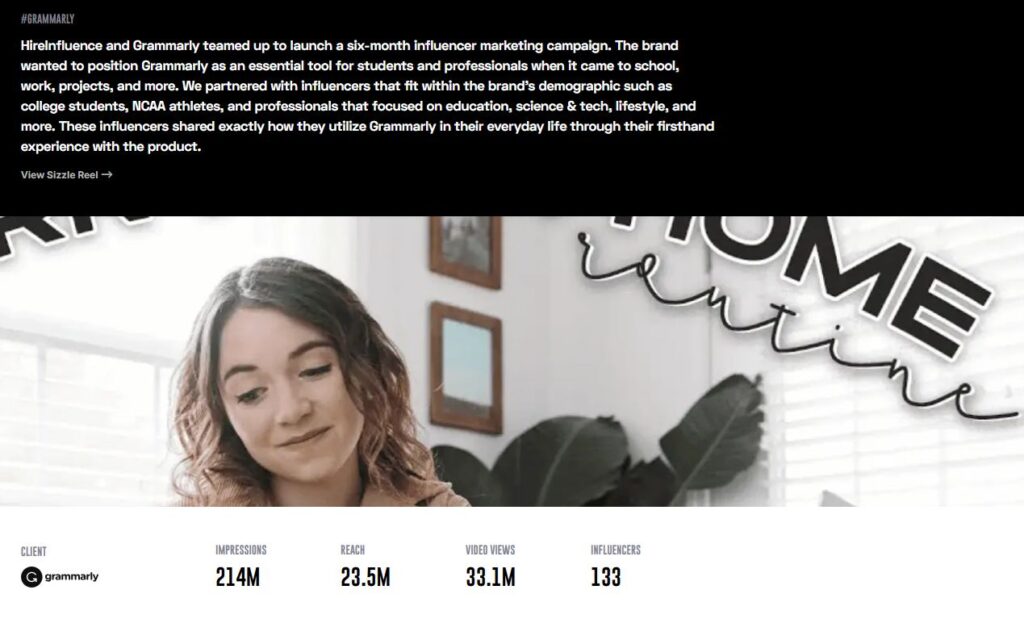
The Grammarly creator program ran with 133 creators, generating 214M impressions and 33.1M views, a roster size at which disclosure verification has to be systematic rather than sampled. The #SouthwestSaysAloha program for Southwest Airlines delivered 56M impressions and 3M engagements.
Additional campaign detail is published in the work portfolio.
The HireInfluence Model for Regulated and Reviewed Work
Founded in 2011, HireInfluence is a full-service influencer marketing agency built for enterprise brands, headquartered in Houston with offices in Austin, Los Angeles, and New York. The firm runs creator programs for brands including Adidas, Honda, MTV, McDonald’s, Oreo, and eBay, covering strategy, talent sourcing, branded content production, paid amplification, and performance reporting. Creator selection runs through a manual vetting and validation process rather than database filtering alone, and campaigns are scoped to each client’s objectives rather than sold as fixed packages.
Brands working through a legal block should read the FTC influencer disclosure guidelines and the influencer content approval process. Neither is legal advice and both describe the structures counsel usually asks for. Scoping conversations start through contact.