
What is Shopify Influencer Marketing?
Shopify influencer marketing connects eCommerce brands with content creators to promote products across social platforms. Brands use trusted voices to reach targeted audiences through authentic endorsements. Shopify Collabs integrates directly into the admin dashboard and simplifies discovering, recruiting, and managing creators. Merchants search millions of creator profiles based on niche, location, and performance data.
Table of Contents
The platform handles affiliate links, gift sending, sales tracking, and automated payments. Influencer partnerships drive traffic directly to Shopify stores via shoppable posts and affiliate codes. Creators produce user-generated content that feels organic rather than advertised. In 2026, collaborations emphasize long-term relationships over single sponsored posts.
Brands across categories like fashion, beauty, and home goods rely on these partnerships for growth. Shopify Collabs supports both direct invites and open applications from creators. Performance tracking ties influencer efforts straight to revenue. Many stores combine paid collaborations with product seeding for broader reach. Creators gain commissions on sales generated through their unique links. This approach turns social media followers into store customers efficiently. Shopify’s built-in tools reduce reliance on third-party platforms for management.
Brands maintain control over messaging while giving creators room for genuine expression. Integration with TikTok and Instagram enhances shoppable content capabilities. Successful campaigns blend sponsored content with everyday creator posts. Shopify Collabs continues to evolve with features for better creator matching. Brands of all sizes access this tool without complex setups. The focus stays on driving measurable sales through trusted recommendations. Partnerships built on shared values perform best over time.
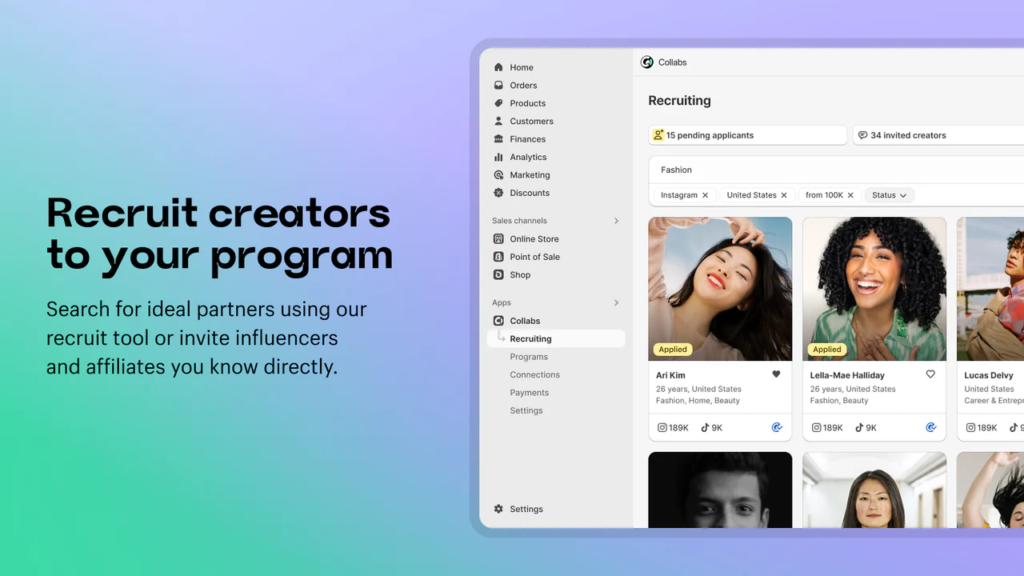
Shopify Collabs streamlines workflows that once required manual emails and spreadsheets. Merchants invite creators directly or let them apply through custom store pages. Real-time analytics show which partnerships generate the most revenue. Brands adjust strategies based on data from ongoing campaigns. This integrated approach keeps everything within the Shopify ecosystem.
Why Influencer Marketing Matters for Shopify Brands in 2026
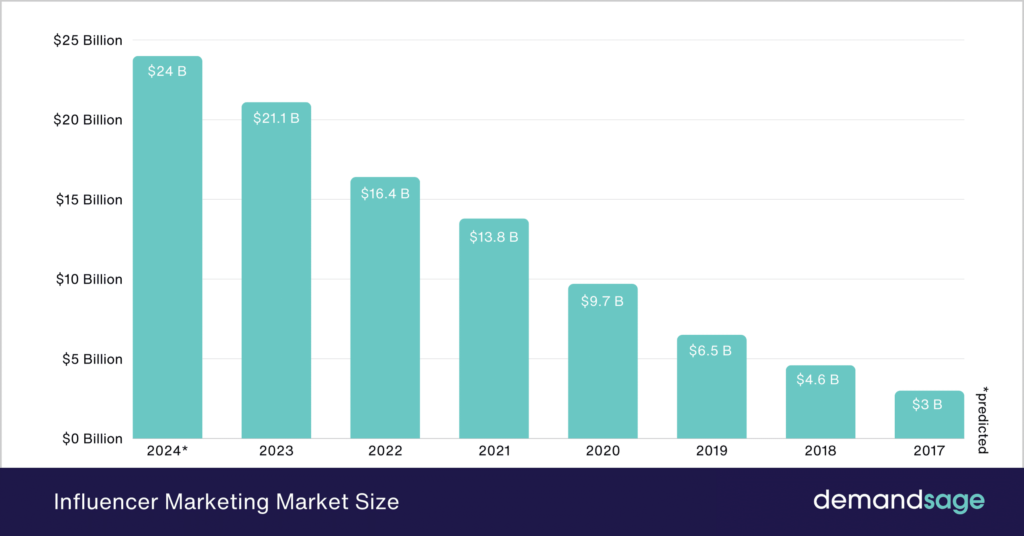
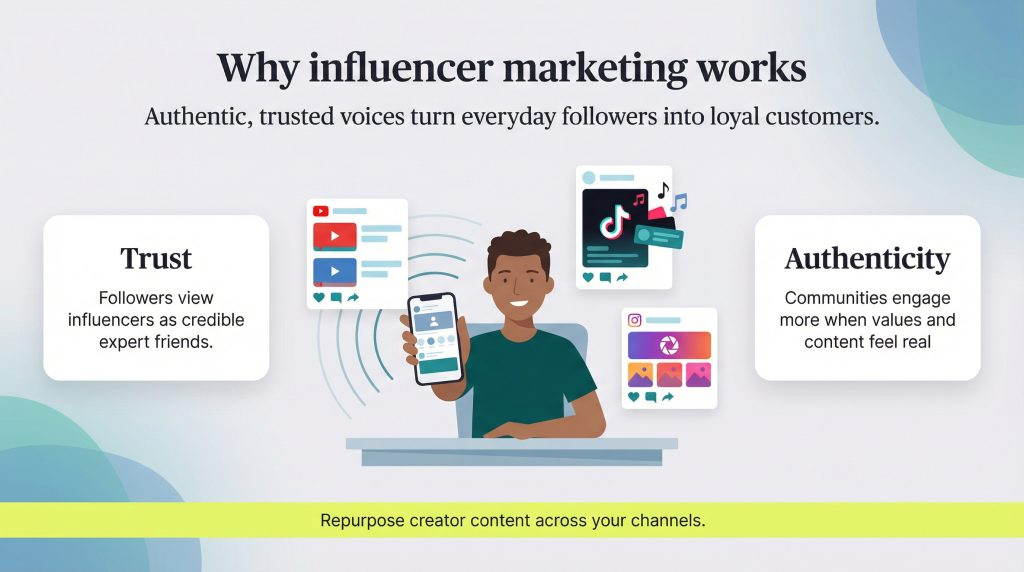
Influencer marketing delivers higher trust levels than traditional ads for eCommerce buyers. Consumers view creator recommendations as personal advice from someone they follow. Social proof from influencers converts browsers into buyers faster. In 2026, over 86% of marketers use influencer strategies for measurable results. The global influencer platform market approaches $35 billion this year.
Shopify brands see strong ROI when campaigns track directly to sales. TikTok drives massive purchases through viral creator content. Sponsored posts from aligned creators outperform brand-only organic content. Long-term ambassador programs build sustained growth over seasonal spikes. Micro-influencers provide higher engagement rates for niche products. Seeding products to creators boosts awareness without upfront costs.
Performance-based pay models align incentives between brands and creators. Authenticity remains the top factor in campaign success. Shopify stores benefit from integrated tracking of influencer-driven revenue. Many consumers discover new brands solely through creator content. Influencer partnerships complement paid ads for better retargeting. Data shows consistent investment yields compounding returns. Brands that prioritize creator relationships stay ahead in competitive niches.
User-generated content from influencers repurposes across brand channels. This strategy reduces content creation costs while increasing reach. Shopify Collabs makes scaling influencer programs accessible to smaller stores. Growth-focused merchants incorporate influencer efforts into overall marketing plans. Results compound when brands nurture ongoing creator partnerships.
| Influencer Tier | Follower Range | Key Advantages for Shopify Brands | Typical Use Case |
|---|---|---|---|
| Nano | 1,000–10,000 | Highest engagement, strong community trust | Brand awareness, niche testing |
| Micro | 10,000–100,000 | Balanced reach and authenticity | Conversions in specific categories |
| Macro | 100,000–1M | Broad exposure, professional content | Large-scale launches |
| Mega | 1M+ | Massive reach, instant buzz | Major brand campaigns |
Micro-influencers dominate 2026 strategies for most Shopify stores due to cost-effectiveness.
How to Build Influencer Marketing Campaigns for Shopify Brands
Start every campaign with clear, measurable goals tied to business outcomes. Define whether the focus is awareness, engagement, or direct sales. Use Shopify Collabs to search creators by niche and past performance. Review audience demographics to ensure alignment with target customers. Set budgets that include pay, products, and shipping costs.
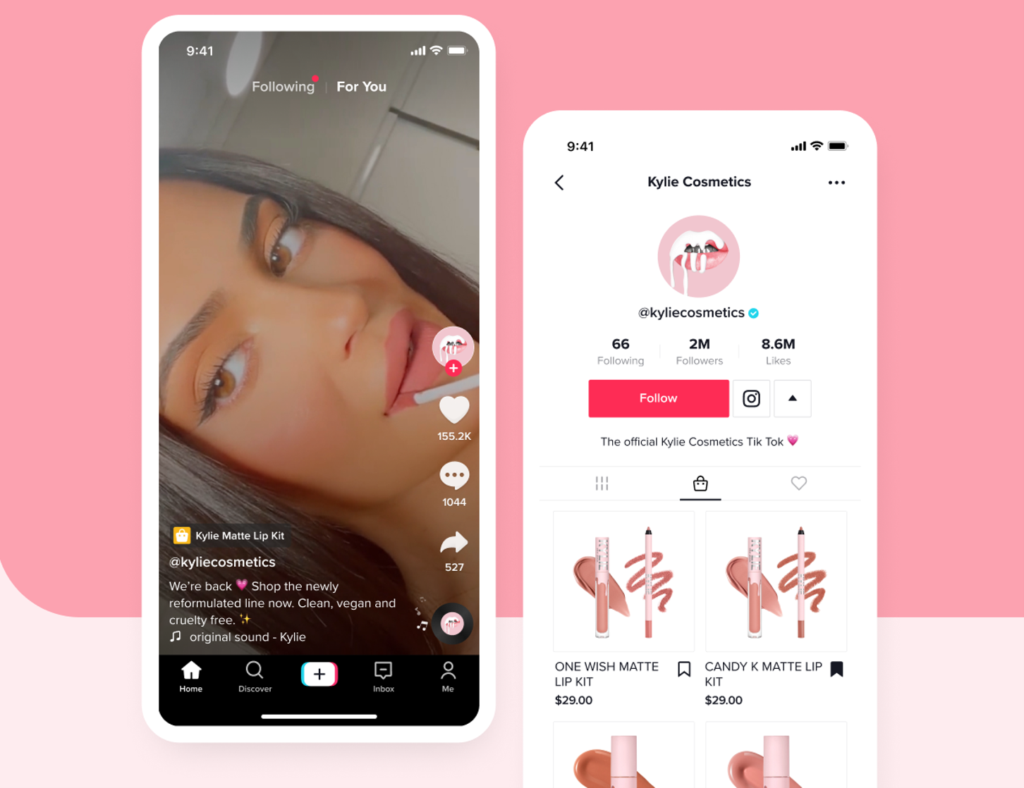
Prioritize relevance over raw follower counts. Analyze engagement rates and content quality during selection. Negotiate terms that allow creative freedom within brand guidelines. Provide clear briefs while encouraging personal storytelling. Track unique affiliate links for accurate attribution. Monitor campaigns in real time through Shopify analytics. Adjust based on early performance data. Extend successful partnerships into ongoing ambassadorships. Combine influencer content with paid amplification for greater reach. Test multiple creators to identify top performers.
Use product gifting to build relationships before paid posts. Focus on platforms where target audiences spend time. TikTok excels for discovery and viral potential. Instagram works well for shoppable stories and reels. YouTube suits in-depth reviews and tutorials. Measure success beyond sales to include traffic and new customer acquisition. Gather feedback from creators to improve future collaborations. Scale winning formulas across similar niches.
- Set Goals: Choose awareness, traffic, or conversions as primary objectives.
- Find Creators: Use Shopify Collabs recruiting tools and filters.
- Evaluate Fit: Check relevance, reach, and resonance metrics.
- Collaborate: Share guidelines but preserve creator voice.
- Track & Optimize: Monitor sales and adjust in real time.
Brands that follow structured processes see consistent results across campaigns. Testing small batches before scaling reduces risk.
Tips for Successful Shopify Influencer Campaigns
Always verify creator audiences for genuine engagement before partnering. Look for consistent interaction patterns over inflated follower numbers. Require proper FTC disclosures in all sponsored content. Draft clear contracts covering deliverables, timelines, and payment terms. Consider working with a professional influencer marketing agency to handle vetting and negotiations.
Start with product seeding to test chemistry without large commitments. Build relationships through ongoing communication and fair treatment. Provide creators with unique discount codes for better tracking. Encourage multiple content formats across platforms. Repurpose top-performing creator content on brand channels. Combine influencer efforts with email capture for retargeting. Focus on long-term partnerships for sustained growth. Pay promptly to maintain good industry relationships. Monitor brand sentiment during and after campaigns. Adjust messaging based on audience feedback.
Use Shopify Collabs payment tools for seamless commissions. Diversify across influencer tiers to balance reach and authenticity. Prioritize creators who already use or align with similar products. Offer exclusive experiences to top performers. Measure both quantitative sales and qualitative brand lift. Stay updated on platform algorithm changes affecting visibility.
- Vet thoroughly for authentic audiences
- Use clear contracts and disclosures
- Start small with gifting
- Track with unique codes and links
- Build lasting relationships
Consistent application of these practices leads to stronger campaign outcomes.
Frequently Asked Questions
Should Shopify brands run influencer campaigns in-house or use agencies?
In-house works for experienced teams with time to manage relationships. Agencies bring expertise in vetting and scaling for brands focused on core operations.
What types of influencers work best for Shopify stores?
Micro-influencers often deliver strongest ROI for most categories. Choice depends on niche, goals, and budget.
How much do Shopify influencers typically cost?
Costs vary widely by tier and platform. Nano and micro range from free products to thousands per post. Mega influencers command premium rates.
Does influencer marketing deliver good ROI for eCommerce?
Well-executed campaigns consistently show strong returns. Tracked affiliate sales make measurement straightforward.
Can small Shopify stores succeed with influencer marketing?
Yes, starting with nano and micro creators fits smaller budgets. Shopify Collabs levels access for all merchant sizes.
Is Influencer Marketing Worth It for Shopify Brands?
Shopify brands that define clear audiences and offer valuable products find influencer marketing delivers strong returns. Integrated tools like Shopify Collabs simplify execution and tracking. Authentic partnerships drive sustainable growth in competitive markets. Investment in creator relationships pays off through ongoing sales and loyalty. Brands embracing performance-based models see clearest results. Combining influencer efforts with other channels amplifies impact.
In 2026, influencer marketing remains essential for direct-to-consumer success. Stores ignoring this channel risk falling behind engaged competitors. Strategic implementation turns creators into powerful sales drivers. The data supports continued growth in this marketing approach. Shopify merchants positioned to leverage influencers gain significant advantages. Long-term commitment separates top performers from occasional testers. Brands that prioritize authenticity and measurement thrive with this strategy.