

Influencer Agency Guides


An influencer is a person with a dedicated online audience who can shape that audience’s opinions and buying decisions, usually through content on platforms such as Instagram, TikTok and YouTube. Brands pay influencers to create and share content about their products, with fees that depend on audience size, engagement, platform and how long the brand can reuse the content.
The word covers anyone whose recommendations move an audience to act. What separates an influencer from any other social media user is not follower count alone but trust: followers come back for that person’s view on a subject, and they act on it. That is why a creator with 15,000 followers in a narrow niche can drive more sales for the right brand than an account ten times larger.
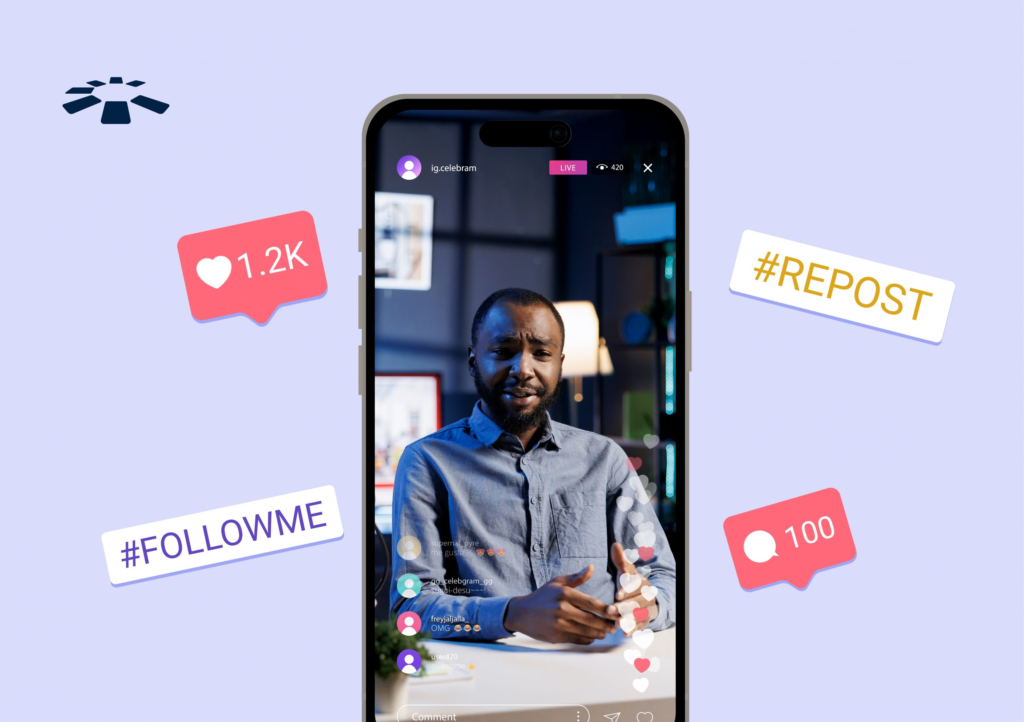
Three things are usually present:
Influence is usually built on one main channel, such as TikTok, Instagram, YouTube or a podcast, and then extended to others.
Influencers are most often grouped by audience size:
They are also grouped by format: short-form video creators, long-form YouTubers, live streamers, podcasters and bloggers. For how the tiers compare in practice, see micro vs macro influencers.

Most brand spend goes to a handful of categories: beauty and skincare, fashion, fitness and wellness, food and drink, gaming, travel, parenting and family, technology, and personal finance. B2B creators, such as software reviewers and industry commentators, are a smaller but growing group.
Day to day, an influencer creates content, publishes it on a regular schedule and responds to their community. Brand work adds briefs, approvals, disclosure and reporting. A typical sponsored post moves from a brief to a concept, a draft the brand reviews, the published post with a clear disclosure, and a short results report.
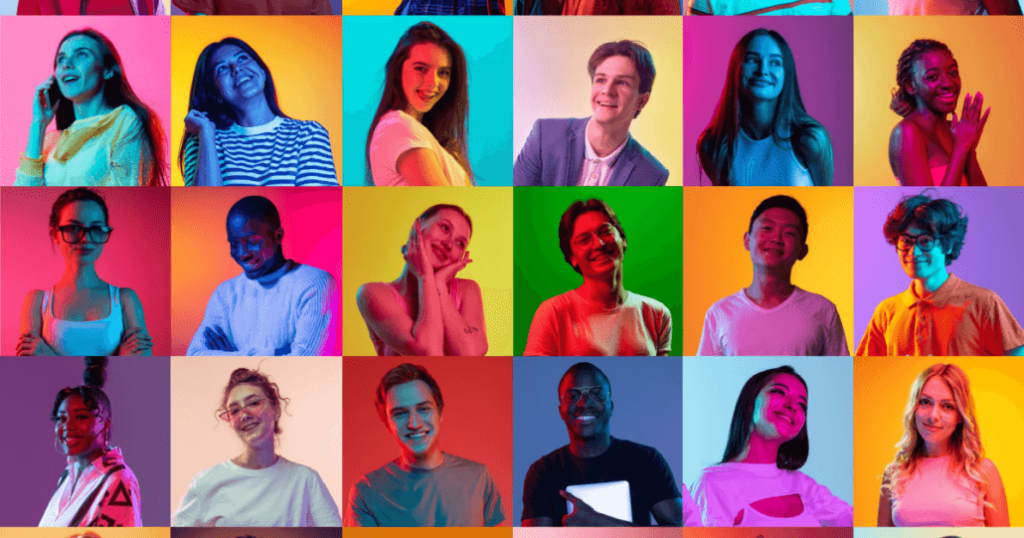
Celebrities are famous for work outside social media, such as film, music or sport, and their reach is broad. Influencers built their audience on social platforms around a subject, so their reach is narrower but often more trusted within that subject. Many brands use both: celebrities for awareness, influencers for credibility and conversion.
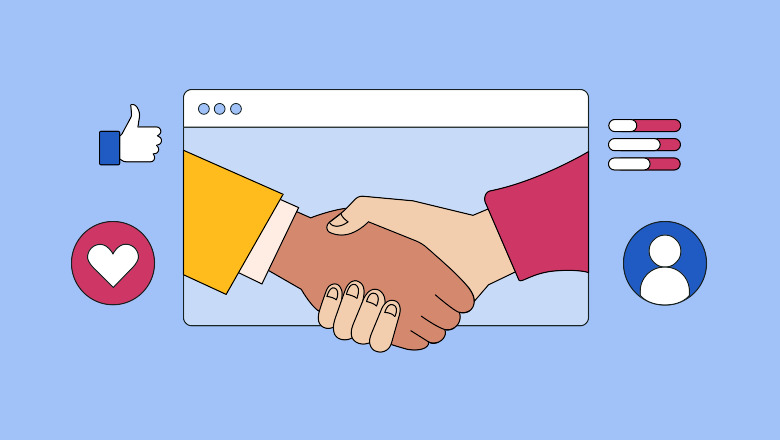
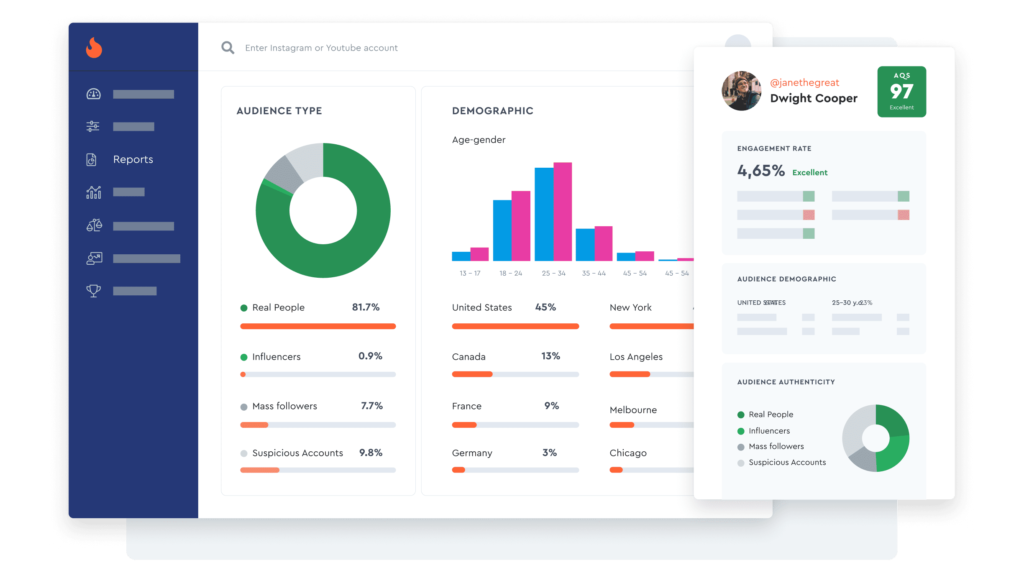
Start with the audience, not the follower count: who needs to see the content and where they spend their time. Then shortlist creators whose audience matches, check the quality of their engagement and their past brand work, and agree deliverables, timelines, usage rights and fees in a written contract. Every sponsored post needs a clear disclosure. The influencer vetting guide covers the checks in detail.
Brands running larger programs often hand the work to an agency, which handles strategy, creator casting, contracts, compliance review, paid amplification and reporting. HireInfluence has run fully managed influencer campaigns for brands such as Microsoft, Amazon, Coca-Cola and McDonald’s since 2011. If you are comparing agencies, start with how to choose an influencer marketing agency.
There is no fixed number. Brands commonly work with creators from about 1,000 followers upward, and audience fit and engagement matter more than size.
Mainly through sponsored content, affiliate commissions, platform payouts such as YouTube ad revenue, and their own products.
Yes. In the US, the FTC expects a clear disclosure, such as #ad or the platform’s paid partnership label, whenever a creator has a material connection with a brand. See FTC guidelines for influencer marketing.
Not always. A content creator makes content; an influencer is a creator whose audience acts on their recommendations. Most influencers are creators, but not every creator influences buying decisions.



Influencer Agency Guides

Influencer Agency Guides

Influencer Agency Guides