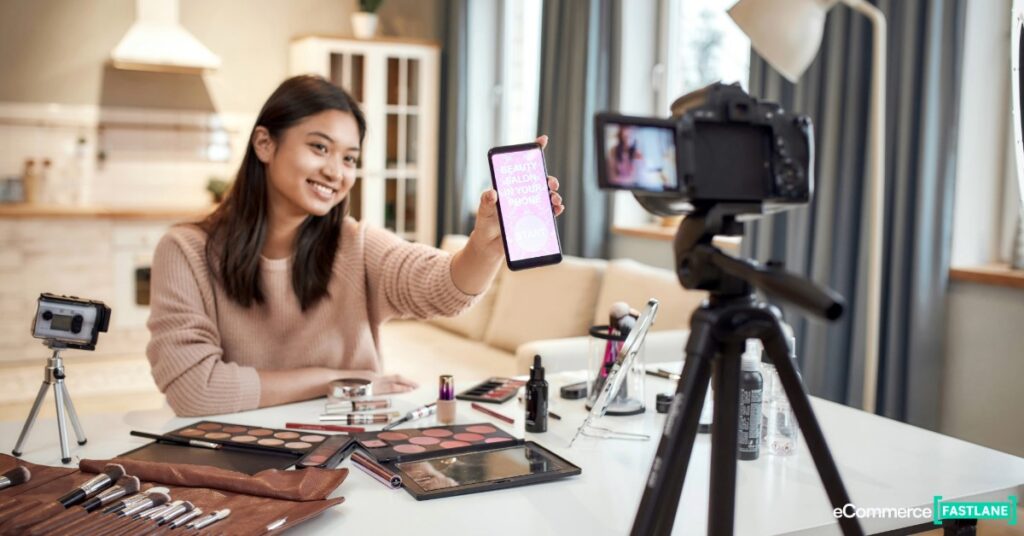
Brands looking into a branded effect on TikTok usually picture a logo filter, and the format is both more capable and more demanding than that picture suggests. A branded effect is a custom augmented-reality asset, a filter, lens, sticker, or interactive overlay, that a brand commissions so users can apply it to their own videos, putting the brand into the content people are already making rather than interrupting it. Brands build them through TikTok’s effect ecosystem, can equip them with calls to action and custom audience targeting, and typically use them to drive interactive engagement and user-generated content. The distinction that matters is that a branded effect is an advertising product with lower-funnel features, not merely a fun overlay, and treating it as decoration rather than as the AR production it actually is the fastest way to waste the budget.
Table of Contents
What It Is
TikTok describes branded effects as custom, sponsored effects that let a brand connect with audiences in a native, interactive format. The difference from an ordinary ad is participation: instead of watching a brand message, users pick up a branded AR effect and make their own video with it. That is why brands treat effects as an engagement asset rather than an impression buy. When someone chooses to use a branded filter, the brand earns attention through the user’s own creativity rather than paying for a view outright, which is a genuinely different transaction from standard advertising and the reason the format’s value is measured in participation rather than reach alone.
Branded Effects Versus Community Effects
TikTok distinguishes two kinds of effects, and the distinction is what makes a Branded Effect an ad product. Community Effects are made in Effect House, TikTok’s effect-creation platform, and published for anyone to use, appearing in the Effects tab of the profile that published them. Branded Effects are the sponsored, commercial version, and they carry capabilities Community Effects do not: branded elements, calls to action, and custom audience targeting for retargeting. That lower-funnel feature set, especially the CTA and the audience targeting, is what separates a Branded Effect from a fun filter that happens to have a logo on it. A brand evaluating the format should understand that it is paying for those commercial capabilities, not for the AR novelty, because the novelty is available in a Community Effect for free and the commercial features are the thing the budget actually buys.
How Brands Create and Deploy One
TikTok built a path for brands without AR designers in-house. Through Effect House Branded Effects, a brand can work directly with effect creators from TikTok’s Effect House community to produce a custom effect, bringing in specialist designers to build the asset, which can be customized with the brand’s logos and other branded elements and configured with the features above. In practice a brand either works with these effect creators directly or through an agency partner that manages the design and the surrounding campaign. Deployment rarely happens in isolation. TikTok positions effects to be combined with other ad products to amplify impact, and brands commonly bundle a Branded Effect with a Branded Mission, In-Feed ads, or premium placements. Inside a Branded Mission specifically, a Branded Effect serves as one of the discovery entry points, with its own effect page where creators can find and join the campaign, and paired with a hashtag challenge it gives participants a ready-made creative device that keeps entries visually consistent and on-brand. The effect is a component in a larger campaign more often than it is a campaign by itself.
Program Delivery Across Interactive Creator Programs
Interactive formats aim at engagement and participation, and the roster is the record of what governed creator programs deliver on those terms. The #MyMTVStyle campaign for MTV delivered 16.1M impressions and 216,600 engagements at $0.01 cost per view, the sort of participation-driven outcome an interactive format aims for. The #CoatYourThroat program for Ricola reached 20.5M people across 26M impressions with 18 influencers, sustained a 13.17% engagement rate, and drove 62,500 MikMak retail clicks, documented in the Ricola case study. The #OREOShamROCKout activation for Oreo and McDonald’s delivered 1.7M impressions at $0.06 cost per engagement, the Grammarly creator program produced 214M impressions and $15M in earned media value across 133 creators, and the #SouthwestSaysAloha program for Southwest Airlines produced 56M impressions and 3M engagements. Additional programs appear in the work portfolio. A branded effect gives people a creative device to engage with, and the concept behind the device and the creators who carry it are what decide whether the engagement materializes.
The HireInfluence Model for Interactive Campaigns
Founded in 2011, HireInfluence is a full-service enterprise influencer marketing agency with 25 or more people across 10 or more states, working from offices in Houston, The Woodlands, Austin, Los Angeles, and New York. The firm runs programs for brands including Coca-Cola, Microsoft, Walmart, Meta, Grammarly, and Southwest Airlines on a six-figure engagement floor, and it has been a TikTok Shop Lite Program partner since July 2024. It was named Marketing Agency of the Year at the 2024 MUSE Creative Awards and Digital Marketing Agency of the Year at the 2026 U.S. Agency Awards. The strategy around interactive creator campaigns sits in the firm’s guide to running a TikTok influencer campaign. Brands can reach the team through the contact page.
Founder and CEO Jason Pampell spent years managing content rights, licensing, and strategic media partnerships at Forbes and Billboard before founding the firm in 2011, and the branded effect rewards a sensibility that world depended on. A creative device only worked when it served the story rather than interrupting it, and a branded element pasted onto content the audience did not want was recognized as an intrusion no matter how polished it was. A Branded Effect succeeds on the same terms. It works when it enhances the video a user wanted to make anyway and falls flat when it feels like a forced logo placement, which means the concept matters more than the branding density and the production timeline matters more than most brands expect. A brand should scope the design and the concept before committing to the format, treat the effect as one component of a larger campaign, and build it around a current TikTok behavior rather than bolting it on late, because an effect that fits what people already want to do earns attention and an effect that does not simply sits unused.