The supplement category is one of the most influencer-dependent verticals in consumer marketing. Buyers research products through creators they trust, not through banner ads or email blasts. If your supplement brand is not showing up in the feeds and videos of health-conscious consumers through voices they already follow, you are handing market share to competitors who are. According to Grand View Research, the global dietary supplements market was valued at…
Travel and hospitality is one of the largest and most visually driven consumer categories in the world, and influencer marketing has become structural to how brands compete in it. According to the U.S. Travel Association’s 2025 forecast, U.S. travel spending is projected to reach $1.35 trillion this year, with domestic travelers alone forecast to spend $1.2 trillion. The industry supports nearly one in 10 American jobs and contributes $2.9 trillion…
The U.S. pet industry reached $152 billion in expenditures in 2024, according to the American Pet Products Association’s 2025 State of the Industry Report, with $157 billion projected for 2025. Ninety-four million U.S. households now own at least one pet, up from 82 million in 2023. The fastest-growing buyer segment, Gen Z, grew its pet-owning household count by 43.5% in a single year and relies primarily on TikTok, YouTube, and…
Home and lifestyle is one of the most naturally suited categories for influencer marketing of any vertical in consumer goods. The content is visual. The purchase decisions are considered and research-driven. The audiences are active on Pinterest, Instagram, TikTok, and YouTube specifically because they are looking for ideas. According to the 2026 U.S. Houzz & Home Study, which surveyed nearly 22,000 U.S. respondents, more than half of American homeowners undertook…
Tampa Bay is not a market that sneaks up on you. It is home to 19 corporate headquarters with over $1 billion in annual revenue, seven of which are Fortune 1000 companies, and it ranks second only to Miami for Fortune 500 headquarters in Florida. If you are a marketing leader at a Tampa Bay brand looking for an influencer marketing agency that can operate at the scale this market…
Charlotte is not a secondary market hiding behind Atlanta or Nashville. It is the financial capital of the Southeast, home to 19 Fortune 1000 companies and a consumer base growing by more than 100 new residents every single day. If you are a marketing leader at a Charlotte-area brand looking for an influencer marketing agency that can operate at the scale this market demands, HireInfluence has been doing exactly that…
Nashville is one of the most consequential corporate relocation stories in the United States, and the brands choosing to put roots here reflect something specific about what this market is. Amazon is headquartered here. Oracle is building a 70-acre riverfront campus here. Starbucks announced a Southeastern office here. iHeartMedia, one of the largest audio entertainment companies in the world, is headquartered in Nashville. So are Mars Petcare, Dollar General, Tractor…
Phoenix is one of the fastest-growing major markets in the United States, and its corporate footprint is expanding to match. In 2025 alone, companies committed to creating nearly 28,000 new jobs and investing over $34 billion in Arizona, according to the Arizona Commerce Authority, the state’s official economic development organization. TSMC’s total committed investment in the state has reached over $165 billion. Mayo Clinic announced a $1.9 billion campus expansion…
San Diego is not a secondary California market. It is a $266.9 billion regional economy with 1.6 million jobs, a median household income of $109,000, and one of the most affluent, digitally active consumer bases on the West Coast, according to the San Diego Regional Economic Development Corporation. Qualcomm, Sempra, and LPL Financial are Fortune 500 companies headquartered here. Petco, Dexcom, Vuori, TaylorMade Golf, WD-40, and Dr. Bronner’s also call…
Minneapolis is one of the most concentrated corporate markets in the United States. The Greater MSP region is home to 17 Fortune 500 companies, including UnitedHealth Group, Target, Best Buy, General Mills, 3M, and U.S. Bancorp, according to the Minneapolis-Saint Paul Regional Economic Development Partnership. Cargill, the largest private company in the country, is also headquartered here. No U.S. metro its size has more Fortune 500 companies per capita. For…
Denver is the enterprise hub of the Mountain West. The metro region is home to Fortune 500 companies, one of the strongest talent pools in the country, and a consumer market defined by active lifestyle, wellness, outdoor, and apparel brands at serious scale. VF Corporation, the parent company of Vans, The North Face, and Timberland, calls Denver home. So do Newmont, DaVita, and Ovintiv. Eight Colorado-based companies appeared on the…
Philadelphia is not a secondary market. It is the second-largest city on the East Coast, the center of a regional economy generating more than $600 billion in gross metropolitan product, and a market where enterprise brands operate at serious scale. Comcast is headquartered here. Aramark is headquartered here. The broader metro area includes some of the most influential pharmaceutical, financial services, and life sciences companies in the country. If you…
Washington DC brands operate in one of the most economically dense and structurally complex markets in the country. Defense contractors, financial institutions, hospitality giants, and government-adjacent consumer brands all coexist within the same metro, and the marketing teams running those brands need an influencer agency that can match the sophistication their market demands. That is what HireInfluence delivers. The DC Market Is Larger Than Most Brands Realize The Washington DC…
Boston brands operate in one of the most diverse enterprise markets in the country. Life sciences, consumer goods, financial services, technology, and retail all have significant footholds here, and the marketing teams running those brands need an influencer marketing agency that can match their sophistication. HireInfluence has been doing exactly that since 2011. Boston’s Enterprise Market Is More Than Big Tech A lot of cities get reduced to a single…
Seattle is home to some of the most recognized consumer brands in the world, and the marketing teams running those brands are not looking for an agency that is still learning how influencer marketing works at scale. They need a partner with the infrastructure, attribution discipline, and multi-platform execution to match the sophistication of one of the country’s most enterprise-dense markets. That is what HireInfluence delivers. Seattle’s Market Demands a…
San Francisco brands are not looking for an agency that is figuring influencer marketing out. They are looking for one that has been doing it at enterprise scale for over a decade, with the infrastructure, attribution capabilities, and multi-platform execution to match the sophistication of the Bay Area’s corporate market. That is what HireInfluence brings. The Scale of the San Francisco Market The Bay Area is one of the most…
Atlanta is one of the most concentrated enterprise markets in the country, and brands headquartered here are not running small campaigns. They need an influencer marketing agency that can operate at enterprise scale, build rigorous attribution models, and deliver results that hold up in a boardroom. That is exactly what HireInfluence does. Atlanta’s Enterprise Market Demands a Serious Partner According to the Metro Atlanta Chamber of Commerce, Atlanta is home…
Miami is not a regional market. According to the Miami-Dade Beacon Council, 1,200 multinational companies have established their Latin American operations headquarters in Miami-Dade County, with one-third of all U.S. exports to Latin America and the Caribbean passing through Miami. The brands operating in this market are not running local campaigns. They are running hemisphere-wide programs that require the kind of infrastructure, multi-platform expertise, and performance accountability that only a…
Alcohol brands face a paid advertising environment that most other consumer categories do not. The Distilled Spirits Council of the United States requires that digital marketing placements for alcohol reach an audience where at least 73.8% of viewers are of legal drinking age, and each major social platform adds its own additional restrictions on top of that. Meta, TikTok, YouTube, and others all maintain separate alcohol advertising policies that govern…
Wellness is no longer a niche category. According to McKinsey’s 2025 Future of Wellness research, the global consumer wellness market has reached $2 trillion, and Gen Z and millennials, while making up just 36% of the U.S. adult population, are driving more than 41% of annual wellness spend. Those consumers do not respond to traditional advertising the way previous generations did. They find brands through creators they follow, trust recommendations…
Dallas-Fort Worth is not a regional market. It is one of the most concentrated enterprise brand environments in the country. According to the Dallas Regional Chamber’s 2025 Economic Development Guide, DFW is home to 21 Fortune 500 companies spanning 31 industry sectors, including American Airlines, AT&T, Texas Instruments, and Southwest Airlines. Brands at that scale are not running experimental marketing programs. They are managing complex campaigns with serious budgets and…
Retail is the single largest vertical in influencer marketing. According to Mordor Intelligence, retail and e-commerce accounted for 27.45% of the global influencer marketing market in 2025, equal to $8.53 billion in spend. That number reflects a simple truth: retail brands have figured out that creator-driven content converts in ways that traditional advertising cannot. The challenge now is not whether to invest in influencer marketing, but how to run it…
Chicago is one of the most consequential corporate markets in the country. The city trails only New York for Fortune 500 headquarters, and the brands calling it home span food and beverage, financial services, healthcare, retail, and technology at a scale few other markets can match. For those brands, the bar for an influencer marketing agency is high. Enterprise-scale programs, rigorous measurement, and verified campaign outcomes are the baseline expectation,…
Austin has spent the last decade becoming one of the most consequential business markets in the country, and the brands operating here need marketing partners that can match that ambition. If you are a marketing leader at an Austin-based company looking for an influencer marketing agency, the question is not whether influencer marketing works here. The market is too large, too tech-forward, and too socially active for that to be…
If you are a marketing leader at a Houston-based brand looking for an influencer marketing agency, you do not need a firm that has to learn your market from the outside. You need one that is already here. HireInfluence was founded in Houston and has operated in the market for over a decade, building enterprise influencer programs for some of the most recognizable brands in the country. The agency is…
Luxury brands face a challenge that almost no other category does: the marketing itself has to feel like the product. A campaign that feels cheap, misaligned, or off-brand does not just underperform. It actively damages brand equity that took decades to build. That is why influencer marketing for luxury brands requires a fundamentally different approach than running campaigns for CPG, tech, or direct-to-consumer companies. Creator selection, content quality, platform choice,…
Entertainment brands have a structural advantage in influencer marketing that almost no other category can claim: the product is already content. A new album, a film release, a live event, a streaming launch, these are things people want to talk about, share, and react to in real time. But that advantage disappears quickly without the right execution behind it. Influencer campaigns for entertainment brands can either accelerate genuine cultural momentum…
Food and beverage is one of the most competitive categories in influencer marketing, and one of the most rewarding when campaigns are executed well. The category drives massive content volume, strong consumer engagement, and measurable retail impact. But for enterprise brands, that opportunity comes with real complexity: multiple SKUs, retail partner considerations, strict brand guidelines, FTC compliance, and the constant pressure to generate content at scale. Getting all of that…
A live brand activation without influencers is a moment. A live brand activation with the right influencers is a content engine. The difference matters enormously for enterprise brands that are investing serious money in experiential marketing and need those activations to generate returns that extend well beyond the event itself. According to G2’s 2025 experiential marketing research, 74% of Fortune 1000 marketers expect to increase their experiential marketing spending this…
Micro-influencer marketing is not a budget workaround for brands that can’t afford celebrities. For enterprise brands with serious marketing goals, working with creators in the 10,000 to 100,000 follower range is often the highest-performing tier in the entire program. The data backs this up, and the brands that have built micro-influencer strategies into their core channel mix are seeing it in their results. According to Later’s 2025 Influencer Marketing Report,…
Influencer marketing for healthcare brands is one of the most high-stakes verticals in the industry. The audiences are real people making decisions about their health. The regulatory environment is unforgiving. And the consequences of a compliance failure go well beyond a campaign that underperforms. For enterprise brands in pharma, health tech, wellness, and medical devices, getting this right requires an agency with infrastructure built for complexity, not just creative talent….
Influencer marketing for tech brands works, but not the way it works for a fast fashion label or a CPG snack company. Tech audiences ask harder questions, take longer to buy, and will tune out content that feels like a press release with a face attached. The good news is that when influencer campaigns are built for the way tech buyers actually behave, they can drive serious results: product awareness,…
Brand ambassador programs deliver the highest ROI of any influencer campaign type. That’s not a positioning claim. It’s the top finding from Aspire’s State of Influencer Marketing 2025 report, based on survey data from over 1,000 marketers and creators. And it tracks logically: a creator who has worked with your brand across multiple campaigns, who genuinely knows the product, and whose audience has seen that relationship build over time converts…
Influencer whitelisting is one of the highest-performing paid media tactics available to enterprise brands right now, and most brands running it are leaving significant performance on the table because they don’t have an agency that understands how to execute it properly. The concept is straightforward: a brand runs paid ads through a creator’s account rather than its own brand handle. The content looks native. The creator’s name is on it….
Choosing an influencer marketing agency is one of the most consequential vendor decisions a marketing team makes, and most brands approach it with a process that isn’t designed for the decision they’re actually making. They send RFPs to whoever shows up in a Google search, sit through polished pitch decks, pick the agency with the most recognizable client logos, and hope it works out. For a VP of Marketing or…
Before any VP of Marketing gets a $100,000-plus influencer budget approved, someone in finance or the C-suite is going to ask a reasonable question: what do we actually get back? That question deserves a straight answer, not a presentation full of reach metrics and engagement rate screenshots. The industry benchmark answer is that brands earn an average of $5.78 for every $1 spent on influencer marketing, according to Influencer Marketing…
Instagram is still where enterprise influencer marketing lives. More than half of brands name it their preferred platform for influencer campaigns, according to Sprout Social’s 2025 influencer marketing data. That’s not brand loyalty to a legacy platform. It’s a reflection of where audiences engage, where purchase intent is highest, and where the content formats brands need most, from Reels to Stories to carousels, continue to deliver measurable returns. The question…
The best TikTok influencer agency is one that genuinely understands how the platform works, not just how to book creators on it. TikTok has its own content culture, its own algorithm logic, and its own commercial infrastructure through TikTok Shop. Brands that treat it like a faster Instagram consistently underperform. The agencies that get results on TikTok are the ones that know the difference between content that fits the platform…
The best UGC marketing agency is one that can produce authentic, platform-ready creator content at scale while maintaining the brand standards, compliance requirements, and measurement infrastructure that enterprise marketing teams actually need. UGC has become one of the fastest-growing priorities in marketing budgets because it outperforms branded content on trust, engagement, and cost efficiency. But sourcing UGC effectively, especially for large brands with complex approval processes, requires a very different…
A CPG influencer marketing agency specializes in running creator-led campaigns for consumer packaged goods brands, where the stakes are different from most other categories. CPG products live or die on shelf velocity, retailer relationships, and the ability to reach consumers at the right moment in their purchase cycle. Influencer marketing in this space needs to account for multi-retailer coordination, compliance requirements, high-volume content production, and the kind of authentic product…
Fortune 500 companies face a specific set of requirements when running influencer marketing campaigns that most agencies are simply not equipped to handle. Multi-platform execution, cross-functional approval chains, rigorous FTC compliance, paid amplification, and C-suite-level reporting are not optional at this scale. They are baseline. The right influencer marketing agency for a Fortune 500 brand is one that has already solved those operational challenges, has the client history to prove…
The best influencer marketing agencies for enterprise brands are those that can operate at scale without losing strategic control. Enterprise campaigns involve cross-functional approvals, legal and compliance review, multi-platform execution, paid amplification, and reporting structures that hold up to C-suite scrutiny. Only a small number of agencies are genuinely built for that environment. This guide covers what separates them, what to look for when evaluating options, and which agencies are…
Influencer marketing drives up to 11x ROI compared to traditional advertising, but success starts with knowing how to contact influencers effectively. If you’re a business struggling with low response rates or unsure where to begin, this guide will help. We’ll cover practical steps, from preparation to platform-specific outreach, including templates and tips to build authentic partnerships. By the end, you’ll have the tools to connect with influencers and boost your…
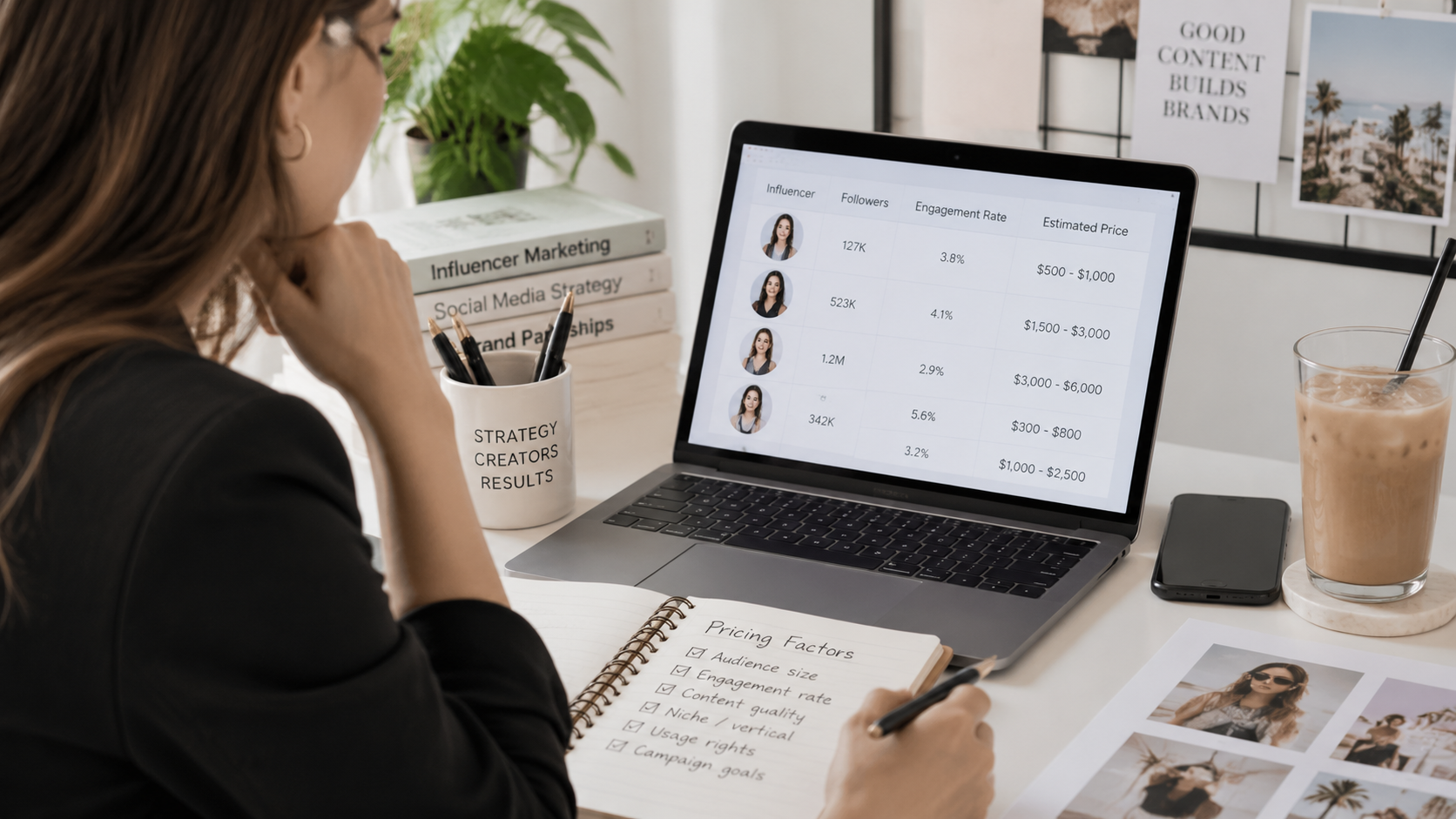
Influencer marketing spending has skyrocketed, reaching a record $32.55 billion globally in 2026, reflecting a 33.11% compound annual growth rate. In the US alone, it’s projected to grow 15.7% this year, underscoring the strong ROI brands are achieving through partnerships. But with rates in constant flux due to platform algorithms, economic shifts, and evolving audience behaviors, understanding how much influencers make is crucial for brands planning campaigns. This guide breaks…
In the fast-evolving world of digital marketing, influencer marketing continues to dominate as a powerful tool for brands seeking authentic connections with audiences. As of 2026, the global influencer marketing industry has reached approximately $34 billion, reflecting robust growth and increasing adoption by businesses of all sizes. This surge is driven by its proven ability to deliver high ROI—often up to $5-6 for every dollar invested—making it essential for brands…
In the fast-evolving world of influencer marketing, choosing between micro and macro influencers can make or break your campaign’s ROI. Did you know that micro influencers now deliver up to 60% higher engagement rates than their macro counterparts, according to recent 2026 benchmarks? This micro vs macro influencers dilemma is more relevant than ever as businesses seek targeted, cost-effective strategies to connect with audiences. In this guide, we’ll break down…
Struggling to make your brand stand out on social media? Successful influencer marketing campaigns can be the game-changer, offering inspiration from real-world examples that drive engagement, sales, and brand loyalty. In this guide, we’ll explore what makes these campaigns tick, including types, strategies, and metrics from 2025-2026 hits. You’ll learn how to adapt these approaches to boost your own ROI and connect with audiences effectively. If you’ve spent any time…
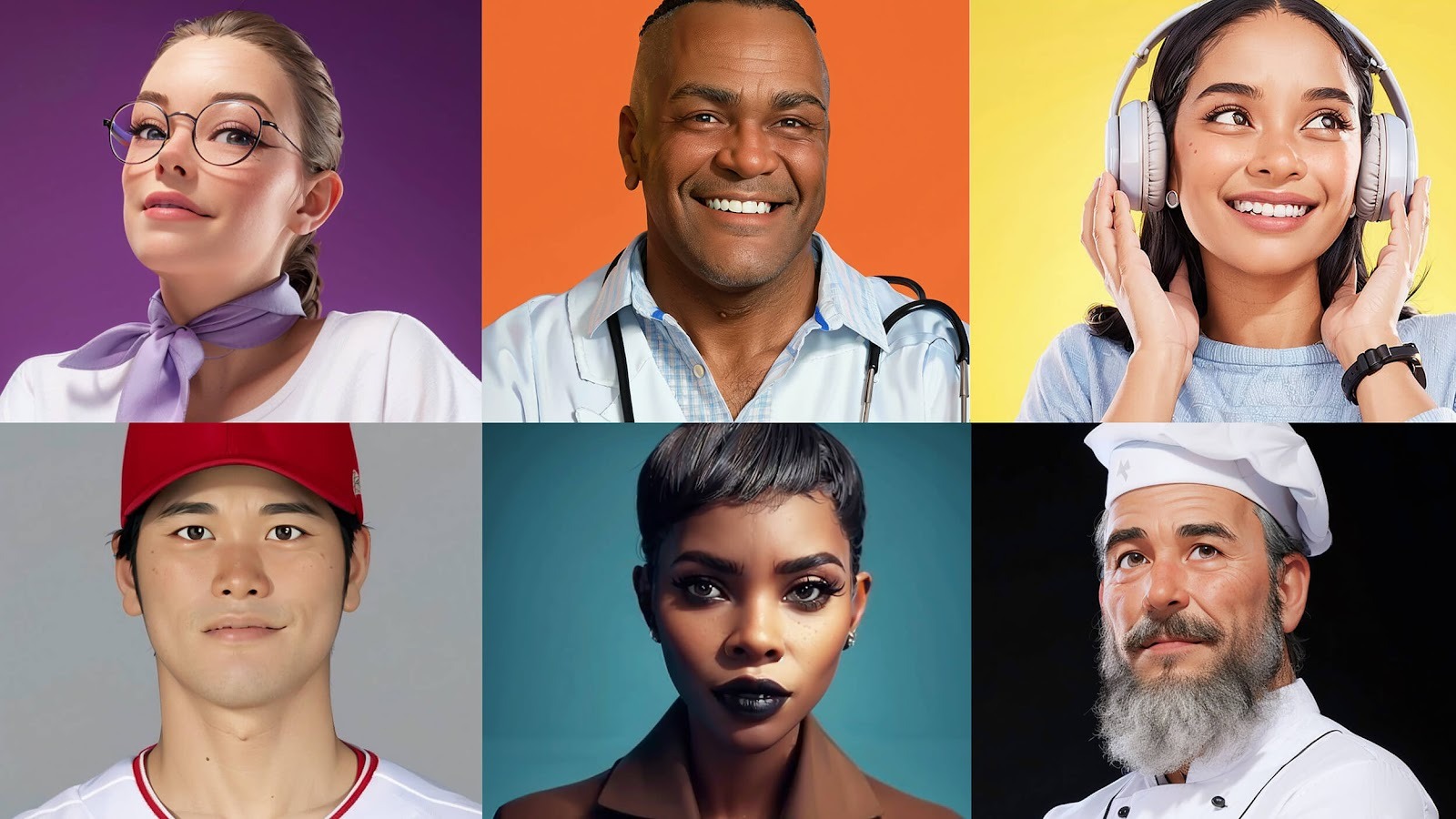
Remember back when influencers were just folks with big followings posting selfies and product hauls? Well, fast forward to now, and the game’s changed big time. Virtual influencers—those slick AI-generated avatars that look and act eerily human—are popping up everywhere on social feeds. They’re not just a gimmick anymore; they’re reshaping how brands connect with audiences. As we kick off 2026, it’s clear these digital personas are here to stay,…
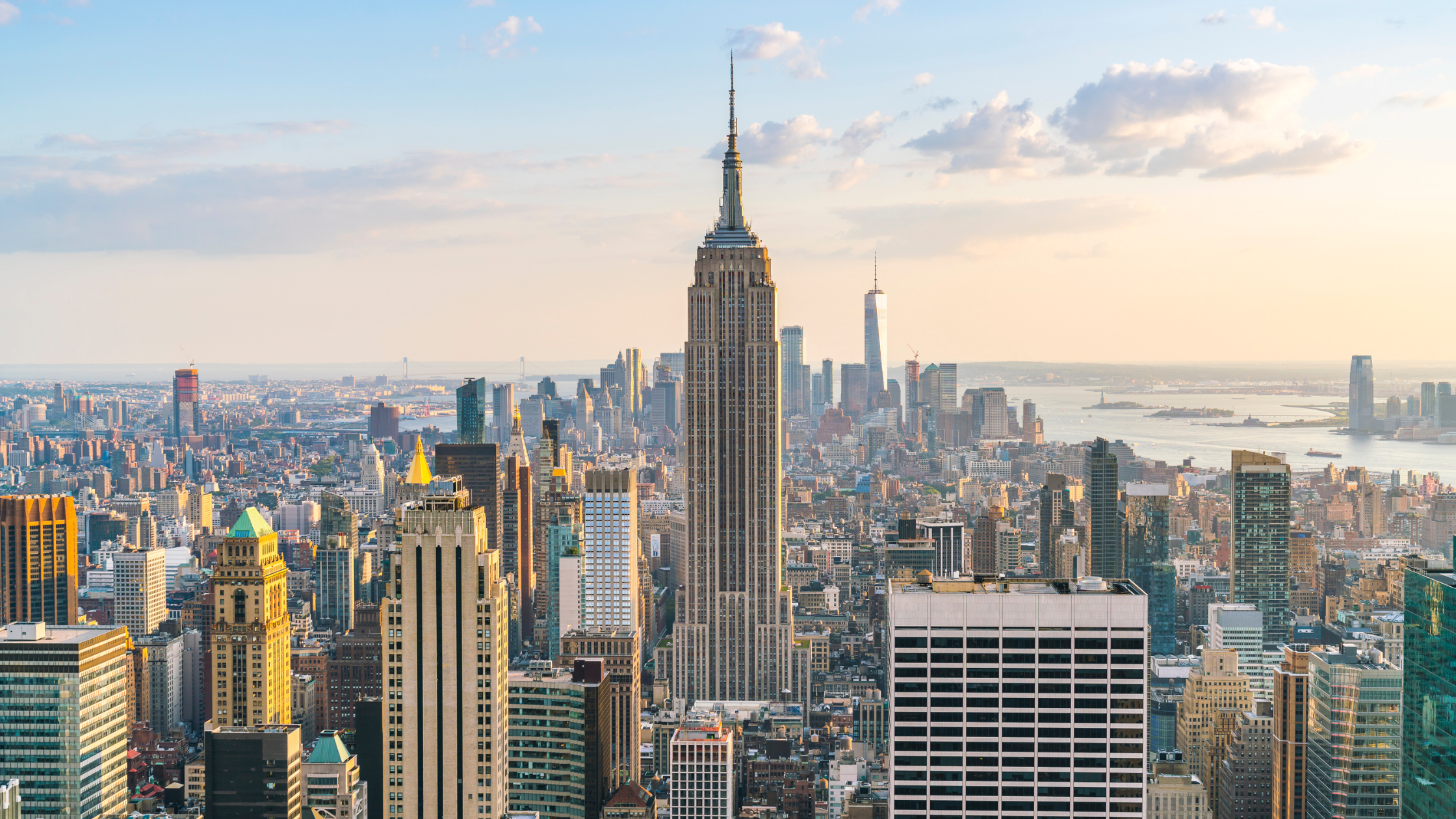
Marketing and New York go hand in hand. Find out which influencer marketing agencies are the best in New York.