Bringing on a travel influencer marketing agency is often treated as a way to buy wanderlust, on the assumption that creators sit at the top of the funnel and the booking happens somewhere else. The research points to a more direct role. A major traveler study drawing on more than 11,000 consumers across 11 markets found that 73% of travelers say an influencer recommendation has influenced a decision to book…
Selecting an esports influencer marketing agency is often reduced to a single question of which streamer has the largest audience, when the market data argues for a more careful read. The global games industry generated roughly $188.8 billion in 2025, a 3.4% year-on-year rise, with about 3.6 billion players worldwide and China and the United States together accounting for close to half of all consumer spending. That audience is split…
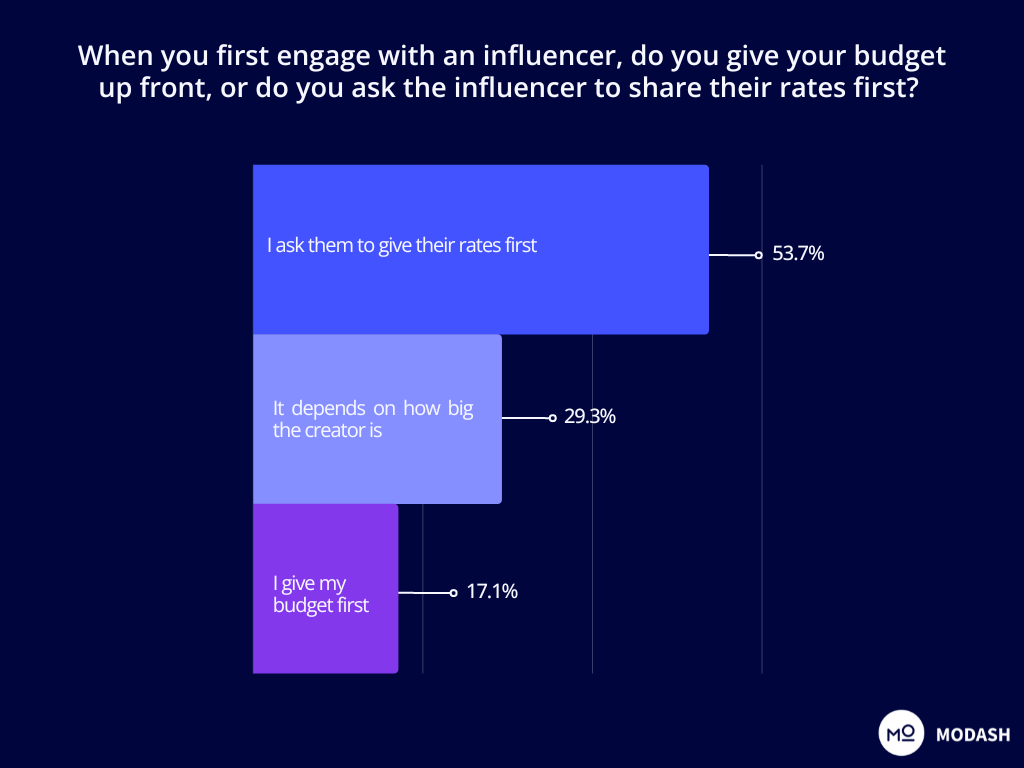
Brands deciding how to choose an influencer marketing agency usually weigh reputation and roster, and a survey of 84 client-side advertisers who lead influencer marketing suggests the decision that actually matters is transparency. Only 51% of those marketers had full visibility into the exact payments reaching their influencers, 61% were paying their agencies through compensation models that were non-transparent or outright unknown to them, and across the market roughly 30%…
Marketing teams asking whether influencer marketing brand recall justifies the spend usually assume the win is being seen, and an analysis of more than 1,000 measured U.S. campaigns says the win is being remembered. Across podcasts, social influencer content, and branded content spanning ten categories, brand recall was the single largest driver of brand lift, shaping 38.7% of the result, just ahead of a person’s baseline awareness at 37.5%. Influencer…
Enterprise brands setting a creator marketing budget tend to treat the size of the number as the decision, and a survey of 1,723 marketers, agencies, and creators across seventeen industries suggests the size is the least interesting part of it. Reported annual creator budgets rose 171% year over year, 71% of organizations increased their investment, and nearly two-thirds of that new money was reallocated out of paid media rather than…
Marketing teams designing an influencer content approval process usually frame the question as how much creative control to hand over, and a survey of 204 marketing leaders reports that the handover already happened. Sixty-two percent of CMOs now leave interpretation to creators and supply only general brand guidelines, and almost 40% give creators full creative control outright. Ninety-seven percent plan to expand creator budgets, 65% run teams working with more…
Enterprise brands building creator affiliate marketing programs generally assume affiliate is where creator content naturally ends up, and a survey of 204 marketing leaders at organizations above $10M in revenue found it is where creator content ends up least. Creator content now flows into display advertising at 46%, content marketing at 44%, and user-generated content at 41%, while affiliate marketing trails at 38% and connected TV sits at 35%. On…
Marketing teams asking how to measure influencer brand lift usually assume the task is finding a better number than engagement, and the 2026 creator effectiveness research says the task is coping with the spread. Sixty-one percent of marketers plan to increase investment in creators and influencers, which makes it the top-ranked channel for future budget growth. Creator content, executed well, delivers over 2 times the impact of traditional branded digital…
Studios and streamers buying influencer marketing for entertainment brands almost always build the program around a launch window, and a 2026 survey of 3,575 consumers aged 14 and older suggests the audience stopped behaving that way some time ago. 52% of fans say social platforms are their primary route to discovering new content, rising to 73% among Gen Z fans. 44% say they discover something on social and then go…
Enterprise brands asking how to choose a platform for influencer marketing usually rank the options by size, and a 2025 survey of 5,022 American adults suggests that size is the least informative thing about them. 84% of U.S. adults use YouTube and 71% use Facebook. Half use Instagram, making it the only other platform in the study that reaches even 50% of the country. TikTok reaches 37%, WhatsApp 32%, and…
Marketing teams asking how to measure influencer marketing roi usually begin by hunting for the right metric, and a 2025 study of the global marketing profession found that the metric was never the problem. Confidence and capability have come apart. 85% of marketers report confidence in their ability to measure return on investment, and only 32% actually measure it holistically across both traditional and digital channels. Meanwhile 38% now name…
Marketing teams asking how to run a ugc campaign almost always begin by briefing creators toward enthusiasm, and a 2025 study of more than 8,000 shoppers across six markets found that 52% of them distrust creator content that feels overly promotional. The same research found that 43% locate authenticity specifically in creators who acknowledge a product’s pros and cons, while 44% lose trust the moment a creator refuses to mention…
Enterprise marketers assume influencer brand safety is covered by the governance they already own, and research into the responsible marketing frameworks operated by the world’s largest advertisers suggests roughly a quarter of them are wrong. 88% of large corporates have a responsible marketing framework or set of policies in place, and 87% agree those frameworks are increasingly critical to their longer-term licence to operate. Yet coverage is uneven. The most…
Brands learning how to source ugc creators usually import the habits of influencer sourcing, and a 2026 marketplace report built on first-party data from 21,000 brand collaborations across more than 200,000 creators indicates those habits are the wrong toolkit for the job. Content campaigns unattached to any single platform rose from 15% to 35% of all engagements in a single year, more than doubling, while platform-specific TikTok campaigns fell 48%…
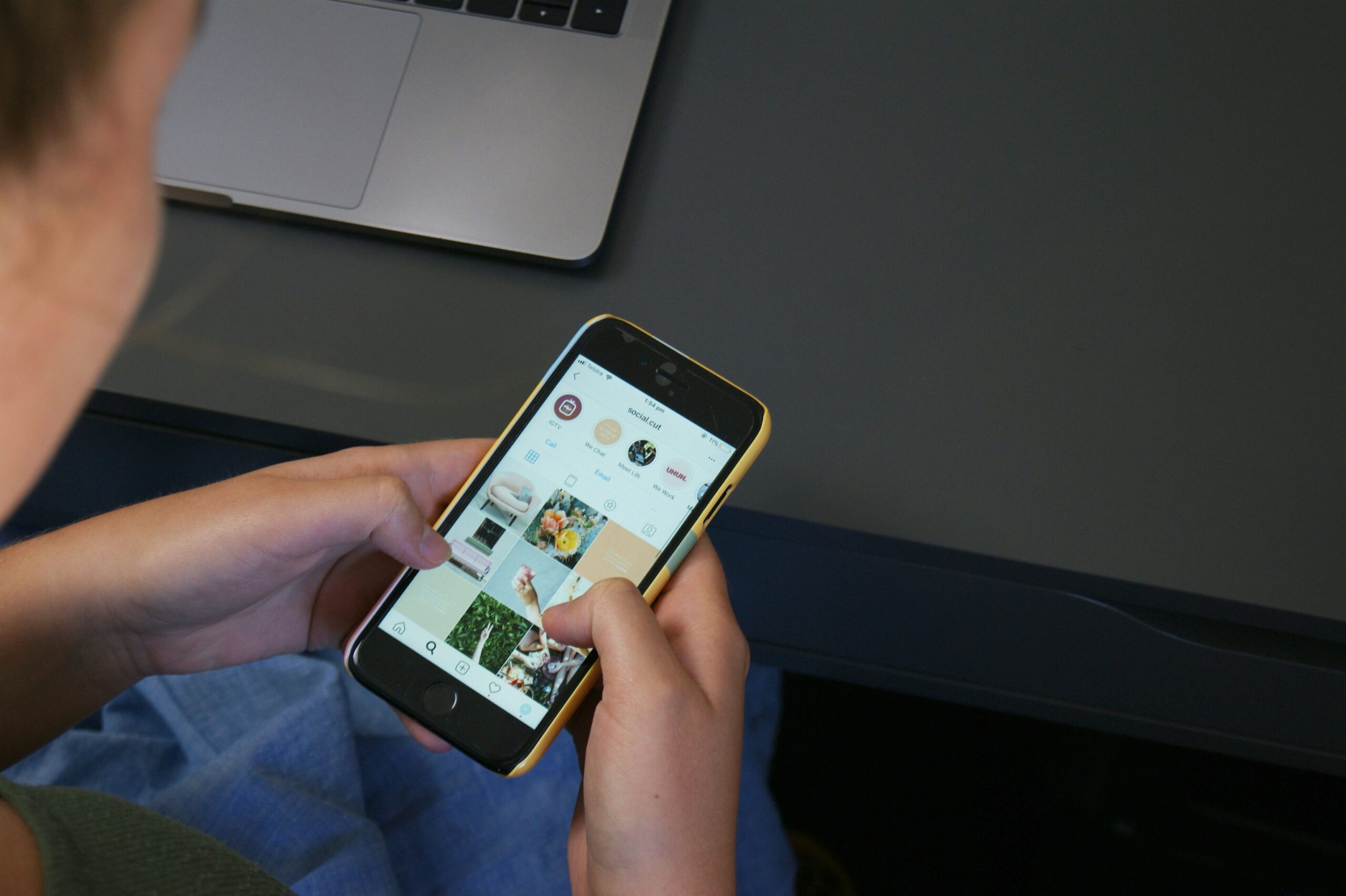
Enterprise brands evaluate instagram creator collaborations as a media efficiency question, and the 2025 platform performance research suggests that framing understates what is actually being purchased. Partnership ads deliver 19% lower cost per acquisition and 13% higher click-through rates than standard formats, which is a real advantage and a modest one. The behavioral numbers are not modest. 71% of consumers say they have made a purchase shortly after seeing relevant…
Every tiktok creator brief is a record of what a brand actually believes, as opposed to what it says it believes, and a 2026 survey of more than 250 marketing leaders captured the distance between the two with unusual precision. 93% of marketers agree that campaigns perform best when creators use their own voice. 7% give creators full creative freedom. That is not a rounding difference or a matter of…
Brands building tiktok shop influencer marketing programs frequently treat the storefront as the product and the creator as the promotion, and a 2026 consumer study built on a nationally representative survey of 6,000 US shoppers aged 16 and older suggests that the relationship runs the other way. 70% of TikTok Shop consumers report having purchased a product a creator recommended. 88% of the shoppers who buy on creator recommendations made…
Enterprise brands adopt tiktok spark ads because the format promotes an existing organic post rather than a purpose-built commercial, and platform research explains why that distinction produces different economics. Nearly 9 in 10 TikTok users say they discover new content they enjoy while using the app, and roughly half say they discover new products through ads posted by a brand. 84% of people report being convinced to buy a product…
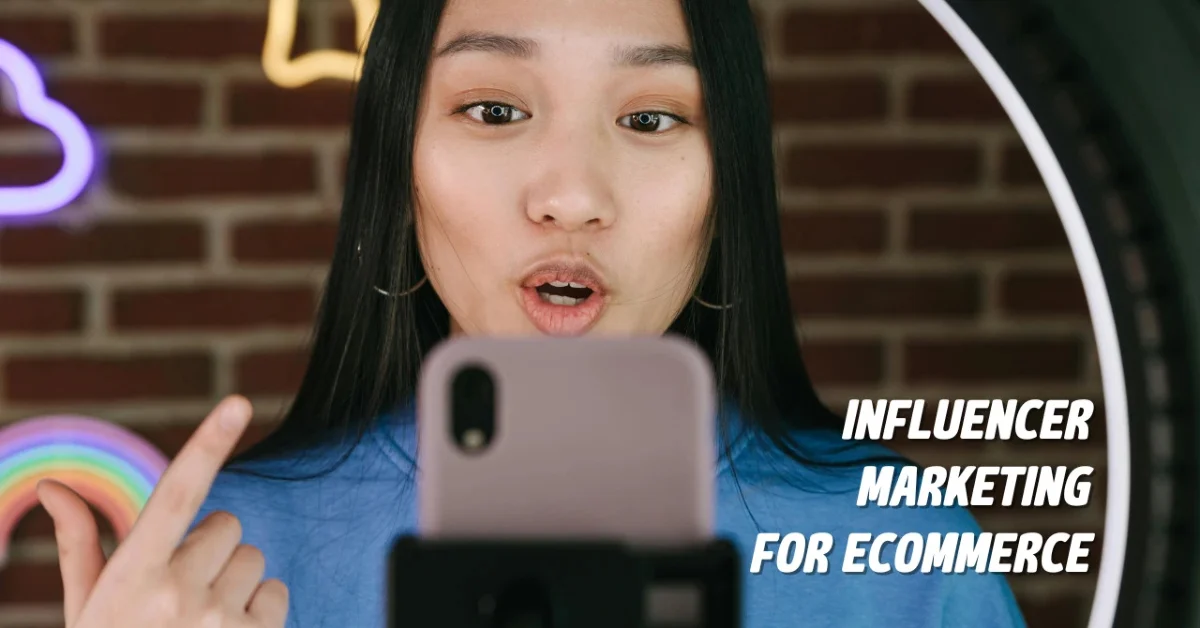
For online sellers, influencer marketing for ecommerce brands has merged with the checkout itself, turning creator content into a direct path to purchase rather than a top-of-funnel nudge. A 2026 forecast on where shopping is heading makes the scale plain: US social commerce sales topped $87 billion in 2025, a 21.5% jump, and will pass $100 billion for the first time in 2026 on 18% growth. Social commerce still represents…
A good influencer agency RFP checklist forces every prospective partner to answer the same questions on the things that actually determine results. A 2026 dataset of social media benchmarks found that 94% of organizations say influencer marketing outperforms traditional digital advertising, often returning two to three times the spend, that more than 60% of product discovery now happens on TikTok, Instagram, and YouTube rather than on Google, and that short-form…
Comparing an influencer marketing agency vs pr agency means comparing two disciplines that overlap in reputation but differ sharply in mechanics. A 2026 report of more than 1,500 marketers found that just 21.2% of brands say they use influencer marketing, split into 23.6% of business-to-consumer brands and 18.6% of business-to-business brands, and that marketers saw the most success with micro-influencers at 32.4%, ahead of macro-influencers at 30.2% and mega-influencers at…
The influencer agency vs freelancer question is really a question about scale, and the shape of modern programs makes that clear. A 2026 industry report found that 52% of business-to-consumer brands work with 6 to 10 influencers at once and 23% work with 11 to 19, that beauty is the most-discussed category on TikTok with 3.63M posts at a 2.46% engagement rate, and that travel, though smaller at 300,000 posts,…
A ugc agency exists to give brands what audiences increasingly demand: content that feels made by a real person rather than a marketing department. A 2026 pulse survey of more than 2,000 social media users found that 40% of consumers frequently discover a product or service through employee-generated content, a figure that rises to 61% among Gen Z, and that 60% of users are certain none of the influencers they…
The in-house vs agency influencer marketing question is rarely all-or-nothing, and 2026 benchmark data shows most brands landing somewhere in between. A 2026 benchmark survey of more than 600 marketers found that brands increasingly use agencies as execution and scale partners rather than end-to-end owners, that the most commonly outsourced function is creator sourcing and vetting at 19.44%, followed by content production at 15.28%, and that the least outsourced function…
Figuring out where to find influencers to hire is now less about scarcity and more about sorting signal from noise, because the creator pool has grown enormous while the tools to filter it stay uneven. A 2026 industry report counted more than 100,000 TikTok creators in the United States alone, with followings that range from 5,000 to more than 1,000,000, and found that social platforms including TikTok, Instagram, and YouTube…